140989/2072/073


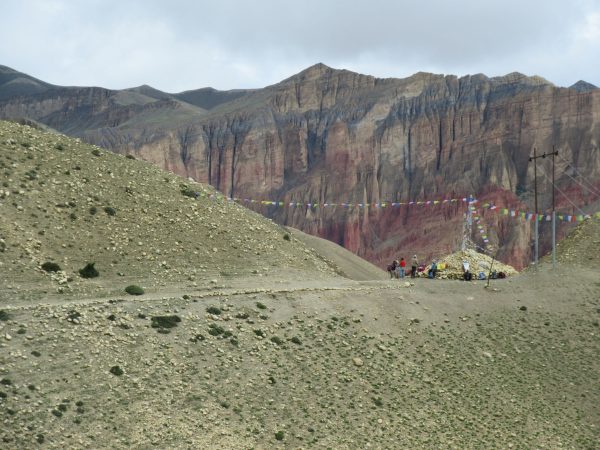
At the heart of Upper Mustang lies Lo Manthang, the ancient walled capital, situated at an altitude of 3,840 meters. Due to its location in the Himalayan rain-shadow,
The terrain is defined by dramatic canyons, eroded cliffs, barren plateaus, and centuries-old Tibetan-influenced settlements. Many travelers compare the stark scenery to the surface of the moon. This rare blend of surreal landscapes, deep Tibetan Buddhist culture, and preserved history makes Upper Mustang one of the most adventurous and unique trekking destinations in Nepal
One of Nepal’s most historically significant, culturally diverse, and ecologically conscious trekking areas is Upper Mustang Trek. To preserve its delicate environment and Tibetan-Buddhist legacy, it has been designated as a restricted area. Therefore, all foreign hikers, including Indians, were required to pay an expensive special permit, which had a 10-day validity period and an additional $50 per day if they stayed longer.
The Nepal government announced a significant modification to the previous permit fee in November 2025 in order to address the problem of the costly Upper Mustang Trek Permit. The new rule eliminates the 10-day minimum requirement and the mandatory $500 base fee. Instead, travelers must pay $50 per person per day.
This change has come into effort, according to tourism officials and trekking associations, will increase accessibility while preserving the controlled flow required to preserve Upper Mustang’s landscape and culture. The new $50 per day rule allows hikers who had been considering trekking to Upper Mustang to reconsider their plans, make budgeting easier, and plan their trip.
The 500 dollar rule, the new USD 50 per day policy, the rationale for the change, and the implications for Upper Mustang trekking in 2025 and beyond will all be explained in this guide.
In contrast to other trekking areas, Mustang is a living cultural museum in addition to a trekking destination. It contains monasteries, sky caves, desert canyons, ancient rituals, and Lo Manthang, the old walled capital of the former Kingdom of Lo. They have been preserved in their most basic forms since ancient times. Because Upper Mustang is close to the Tibetan border and has significant cultural value, the restrictive permit regulations were implemented.
Like the rest of the world, Mustang has experienced an economic downturn over the past few years, with tourism and businesses related to it suffering the most. There was a notable decline in travelers. Locals in Mustang had therefore been asking the government to reevaluate the previous, strict fee structure, claiming that the cost barrier was impeding the recovery of tourism.
The new permit fee of $50 per day is a positive development. Trekking companies, guides, locally run homestays, and everyone else who wants to travel to Upper Mustang will be the most affected. The tourism schedule for 2025 is anticipated to undergo the biggest changes.
Upper Mustang is still a restricted trekking area and requires a special Restricted Area Permit in spite of the new regulation. It is categorized as a restricted area for the following reasons:
To know why the permit system was in place, you need to know why the Restricted Area classification was created:
Border Sensitivity: Mustang is close to the border with Tibet (China). Restricted Area classification designation helps Nepal Government regulate and monitor movement in the region.
Cultural Preservation: Upper Mustang holds one of the most authentic Tibetan-Buddhist cultures in the world. Rituals, monasteries, and traditional communities require protection from unrestricted tourism.
Sensitive Ecosystem: Mustang’s desert terrain is delicate. Rapid tourism could risk erosion, desertification, and damage to ancient caves and archeological sites.
Protection of Ancient Heritage: Lo Manthang, sky caves like Jhong and Choser, Tiji Festival traditions, and centuries-old monasteries need preservation.
Controlled Tourism for Sustainability:
These reasons remain valid and upper mustang still remains restricted, but the permit structure has been modified to support today’s tourism needs
For many years, the Upper Mustang restricted area permit followed a fixed pricing system:
USD 500 per person for the first 10 days
This fee was mandatory, even if a traveler stayed for fewer than 10 days or visited Upper Mustang for just one day.
USD 50 per person per day for each additional day after the first 10 days
Because of this rule, a traveler spending only 1–2 days in Upper Mustang had to pay the same
USD 500 fee as someone staying the full 10 days. As a result, the pricing structure discouraged short visits and made the region accessible mainly to travelers planning longer, more expensive itineraries.
Under the revised permit system, trekking in Upper Mustang is now more flexible and affordable:
USD 50 per person per day
Travelers now pay only for the exact number of days they spend inside the Upper Mustang region. This per-day pricing makes trip planning far more transparent and cost-effective.
No mandatory 10-day minimum
The previous requirement to purchase a minimum 10-day permit has been removed. Trekkers are free to plan short visits or extended journeys without paying for unused days.
No upfront USD 500 fee
The old fixed permit cost of USD 500 has been completely eliminated. This change significantly lowers the entry barrier and makes Upper Mustang accessible to a wider range of travelers.
Overall, the new permit structure encourages shorter explorations, custom itineraries, and budget-friendly travel, while still supporting conservation and sustainable tourism in the region.
Despite the revised permit fee structure, several key regulations for Upper Mustang remain the same:
Restricted Area status
Upper Mustang remains a Restricted Area due to its cultural, historical, and environmental sensitivity. Special permits are still required to enter the region.
Licensed guide is still mandatory
As before, solo or unguided travel is not permitted. All travelers must be accompanied by a government-licensed guide throughout the Upper Mustang region.
Group-based permits continue
Individual permits are not issued. A minimum of two trekkers must apply together through a registered trekking agency.
Immigration-issued permits only
The Upper Mustang Restricted Area Permit must still be obtained from the Department of Immigration, and applications must be processed only through an authorized agency.
Several key factors influenced the government’s decision to revise the Upper Mustang permit system:
Tourism decline after COVID-19
Tourism recovery has been slow since the pandemic, particularly in remote regions like Upper Mustang, where local livelihoods depend heavily on trekking and tourism-related activities.
High permit costs discouraged travelers
Upper Mustang had earned a reputation as one of the most expensive trekking destinations in Nepal due to its high Restricted Area Permit fee, deterring many potential visitors.
Pressure from local authorities and tourism stakeholders
Local governments, trekking agencies, and tourism entrepreneurs in Mustang consistently advocated for permit reforms to help revive the regional economy.
Growing competition from other restricted regions
Destinations such as Dolpo, Humla, and Nar–Phu Valley have been gaining popularity. Reducing the permit fee helps Upper Mustang remain competitive and attractive compared to these alternative restricted trekking regions.
Spring (March to May): Best cultural experiences
Pleasant temperatures, blooming landscapes, and festivals like Tiji Festival make spring ideal for cultural exploration.
Monsoon (June to August): Rain shadow advantage
Upper Mustang lies in a rain-shadow area, receiving minimal rainfall. While much of Nepal experiences monsoon rains, Mustang remains dry and accessible.
Autumn (September to November): Clear views
Stable weather, crisp air, and clear mountain views make autumn one of the most popular trekking seasons.
Winter (December to February): Harsh and not recommended
Extremely cold temperatures, snow-covered trails, and closed lodges make winter trekking difficult and unsafe for most travelers.
Carry sufficient Nepali currency
ATMs are unreliable or unavailable in Upper Mustang, so cash is essential.
Expect strong winds at higher elevations
Afternoon winds can be powerful; start trekking early in the day when possible.
Pack warm clothing for cold nights
Even in warmer seasons, temperatures drop sharply after sunset.
Respect monastery rules and local customs
Dress modestly, follow photography guidelines, and maintain silence where required.
Capture photos respectfully
Always ask permission before photographing locals, monks, or religious ceremonies.
Stay hydrated at altitude
Drink plenty of water to help prevent altitude-related issues.
Ensure your permit is stamped at all checkpoints
Missing stamps can cause issues during inspections.
Travel with an experienced, licensed guide
A licensed guide is mandatory and invaluable for safety, navigation, and cultural insight.
The Upper Mustang Restricted Area Permit must be obtained through a registered trekking agency in Nepal. Applications are processed by the Department of Immigration in Kathmandu, not directly by individual travelers.
While the Nepal Tourism Board (NTB) provides information and guidance, the permit itself is issued by the Department of Immigration and can only be arranged via an authorized trekking agency.