


This is just for your reference, so kindly advise to carefully selecting the right travel insurance on your own; Please ensure you will be covered for any unexpected events that might occur during your trek
Everest Base Camp with Chola Pass via Gokyo
Duration
18 days
Max-Altitude (5,550m/18,208ft)
Transportation Flight/Private Transport
Grade Moderate
Accommodation 3-star hotel in Kathmandu and Teahouses/Lodge during the trek
Meals Breakfast in Kathmandu and all meals during the trek
Best Season Feb - May and Aug - Nov
Group Size Any
Highlights of Everest Base Camp with Chola Pass via Gokyo
- Cho La is one of the most challenging and scenic passes.
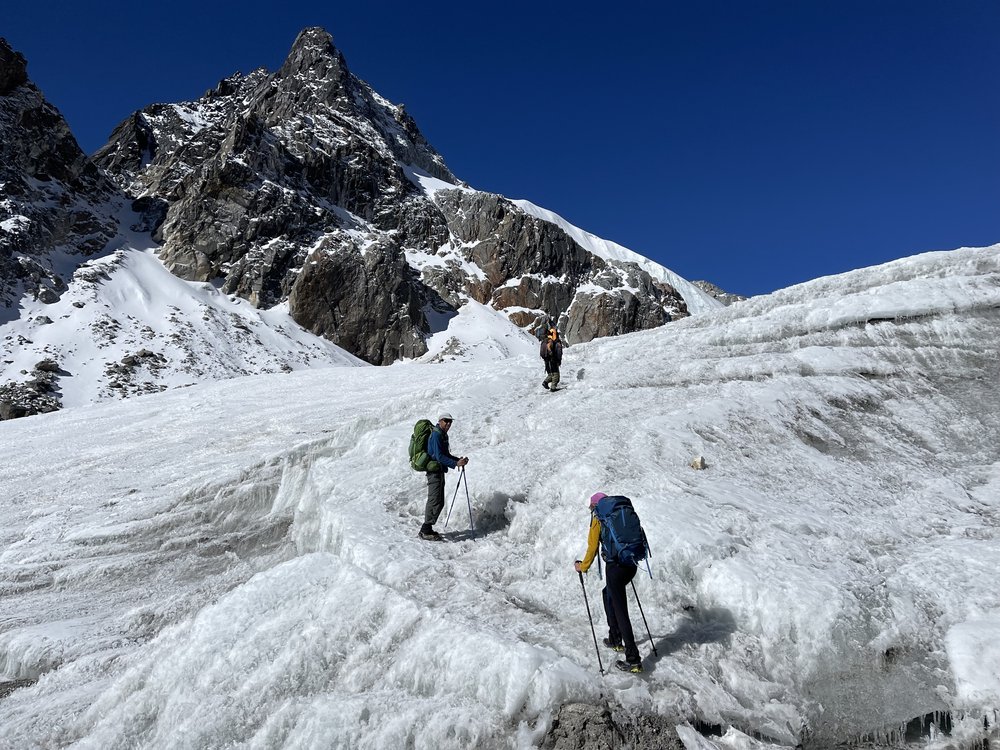
- Crossing this pass requires both physical endurance and mental strength as it involves navigating glaciers and steep ascents.
- Take a scenic flight from Kathmandu to Lukla, then follow Tenzing and Hillary to Kala Patthar and Everest Base Camp.
- Gorgeous landscape with lush meadows, charming towns, and gently sloping hills
- Fantastic chance to visit Buddhist temples and learn about the distinctive Sherpa culture and traditions
- Come pray at Tengboche’s oldest and largest monastery.
- Admire historic Chortens, Gompas, vibrant Mani walls, and prayer wheels while taking in breathtaking close-up views of snow-capped mountains, icefalls, and steep slopes.
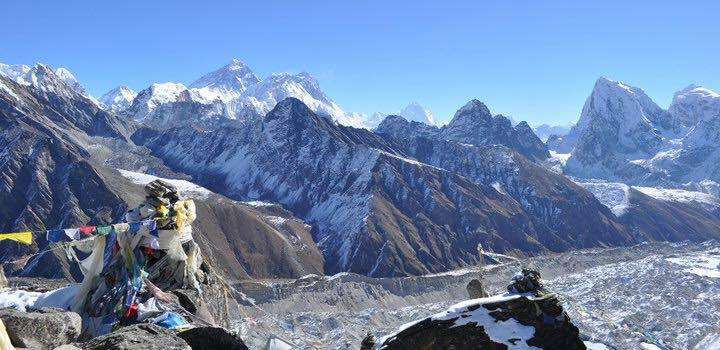
- During your Gokyo Chola Pass Trekking with EBC, you will visit amazing locations such as Kala Patthar, Cho La Pass, Gokyo Lake, Gokyo Ri, and Everest Base Camp.
Everest Base Camp with Chola Pass via Gokyo takes us through the landmarks of the Everest region. This is an amazing journey that offers a unique opportunity to explore the stunning views of the lake and the famous Pass.
Another highlight of the EBC Trek with Gokyo Cho La Pass is the chance to cross the Chola Pass, a challenging but worthwhile experience. The pass offers expansive views of the Himalayas from its elevation of 5,420 meters above sea level. Crossing the divide requires some physical preparation and prior trekking experience, but the rewards are well worth the effort. Climbers who want to summit Mount Everest begin their journey at the popular Everest Base Camp (EBC).
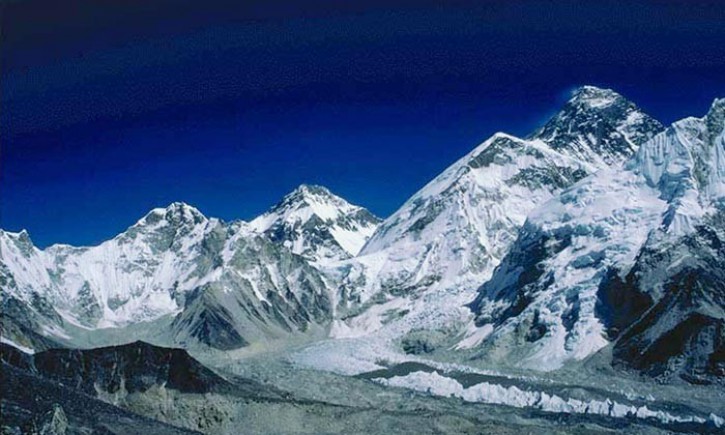
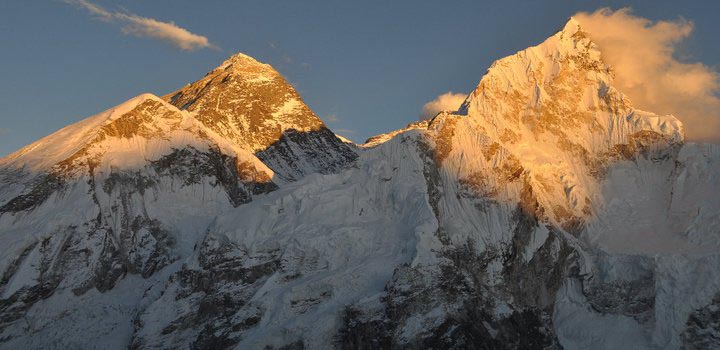
The Lake, located at a high elevation, is a wild and beautiful place surrounded by the magnificent peaks of Cho Oyu (8153m) and Gyachung Kang (7922m). Trekking to this region is like entering a bit of heaven. The trek offers a once-in-a-lifetime experience with breathtaking views of Mount Cho Oyu, Mt. Everest, Lhotse, Makalu, Nuptse, and other peaks.
The effort is well worth it because you will have the chance to cross one of the most challenging crossings in the Himalayas and see some of the most breathtaking scenery on earth. Because of the clear skies and pleasant temperatures, September through November and March through May are the ideal times of year to trek the Gokyo Chola Pass through EBC. Since they can assist you with the logistics and provide helpful information about the trip, it is recommended that you hire a local porter and guide.
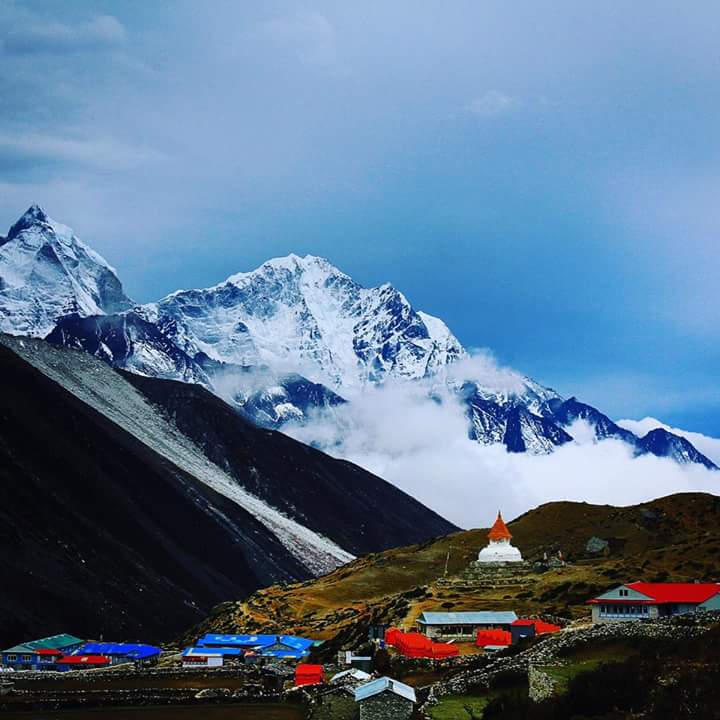
Along the way, you’ll traverse through charming Sherpa villages, including Phakding, Dingboche, and Gorak Shep, where you’ll experience the warmth and hospitality of the local people. The journey also introduces you to the ancient Buddhist culture, with opportunities to visit sacred monasteries like the one in Tengboche, known for its beautiful architecture and panoramic views.
You will travel past monasteries, deep valleys, and interesting vantage points. Climbing to Kala Patthar from Gorakshep offers the best view of the surrounding snow-capped mountains. After an amazing experience in Kala Patthar, your Gokyo Cho La Pass Trekking via the EBC route will head toward Dzongla and cross Cho La Pass in two days. The stunning Gokyo Lake, a Hindu and Buddhist pilgrimage site, will welcome you when you get to Gokyo. Gokyo Ri provides views of the whole Everest region the following day. You pass Khumjung, the largest settlement village, on your way to Namche Bazaar, the Khumbu area’s commercial hub.
The Everest Base Camp via Gokyo Lakes is a true adventure for those seeking the beauty of the Himalayas, a challenge for trekkers, and a spiritual journey through the heart of the Khumbu region. It’s not just a trek but an opportunity to witness some of the most breathtaking landscapes and majestic mountain views in the world.
We Offer severeal other treks in Everest Region, such as 15 Days Everest Base Camp Trek, 12 Days Everest Base Camp Trek, Everest Three pass Trek, Everest Base Camp with Helicopter Return so feel free to Get In Touch with our Expert Trek planes for Customized and Personalized itineraries
Day 01: Arrival in Kathmandu (1,350m/4,428ft)
Day 02: Kathmandu Sightseeing and Trek Preparation
Day 03: Fly to Lukla, trek to Phakding (2,651m/8,700ft)
Day 04: Phakding to Namche Bazaar (3,440m/11,284 ft)
Day 05: Acclimatization Day – Namche Bazaar: (3,440m/11,284ft)
Day 06: Namche Bazaar to Dole (4200m)
Day 07: Dole to Machhermo (4,470m/ 14,663ft)
Day 08: Machhermo to Gokyo (4,800 m/15,744 ft)
Day 09: Explore Gokyo Valley
Day 10: Gokyo to Thagnak (4750 m/15,580 ft)
Day 11: Thagnak to Cho La pass (5,420m/17,782 ft) to Dzongla (15, 939 ft)
Day 12: Dzongla to Lobuche (4940 m/16,207 ft)
Day 13: Lobuche to Gorak Shep(5,170 m/16,961ft)visit Everest Base Camp(5,364 m/17,594 ft)
Day 14: Gorak Shep to Kala Patthar (5550 m / 18208 ft) to Pherice (4,288m/14,070ft)
Day 15: Pheriche to Namche Bazaar
Day 16: Namche Bazaar to Lukla (2,800m/9,186ft)
Day 17: Fly to Kathmandu
Day 18: Departure Day
Day 01: Kathmandu Arrival (1,350m/4,428ft)
Welcome to the Country of Himalayas !
As you arrive at Tribhuvan Internation Airport, Kathmanndu, One of the representative from Himalayan Sanctuary Adventure will be waiting for you outside the terminal holding your name to escort you to your specified Hotel. Upon your arrival you will be warmly welcomed and transfer to your hotel in Kathmandu. After Check in you will be briefed to carry out the final preparation required for the trek. So that you can relax and prepare for the adventure ahead.
Day 02: Kathmandu Sightseeing and Trek Preparation(4 – 6hr)
After breakfast, you proceed to the Kathmandu Valley sightseeing places in which you will visit the major world heritage sites and beautiful attractions around the valley throughout today. Some of these might be
Durbar Squares Three durbar squares in the valley representing the major cities of Kathmandu, Bhaktapur, and Lalitpur (Patan) here resemble the rich history, art, and culture of the Kathmandu Valley. Among them, you will visit Patan Durbar Square.
- Patan Durbar Square:
Patan Durbar Square is a fascinating combination of palace buildings, artistic courtyards, and graceful pagoda temples. The Krishna Mandir (Temple) from the 17th century is a major attraction. The patanPatan museum contains bronze statues and other religious objects which has great significance. Durbar Square has both religious and cultural importance and the surroundings are artistically beautiful.
- Pashupatinath Temple:
The Pashupatinath Temple is one of the most significant Hindu temples in Asia with over 500 small and big shrines, Lingams, and temples in the temple complex.
- Boudhanath Stupa:
The largest stupa and center of Tibetan Buddhism that is in the Kathmandu valley. One of the best places to relax and take a hint of Buddhist culture is in Kathmandu. After the Sightseeing, we will drive you back to the hotel.
- Swayambhunath Temple:
Also known as the ‘Monkey Temple’, this is one of the oldest heritage sites in Nepal. From the top viewpoint, you will have an amazing view of the capital city “Kathmandu”.
Included Meals: Breakfast
Day 03: Kathmandu – Lukla – Phakding (2,651m/8,700ft): 40 minutes flight, 3 – 4hrs
An early morning Lukla flight for about 40 minutes. Enjoy the breathtaking views from the plane. Upon reaching Lukla, meet the rest of the crew members. Join them and commence the trek towards Phakding via Cheplung village. Overnight at Phakding.
Walking Distance – 8Km (5miles)
Included meals: Breakfast, Lunch, and Dinner
Day 04: Phakding – Namche (3,440m/11,284 ft): 5 – 6 hrs
A trek to Namche begins and walks through the trail and reaches the Benkar Valley. Pass through Chumoa and Monjo villages after crossing the Dudh Koshi River. Cross a suspension bridge to reach Jorsale and continue walking until Namche. Overnight in Namche Bazaar.
Walking Distance – 10.8Km
Included meals: Breakfast, Lunch, and Dinner
Day 05: Acclimatization Day – Namche Bazaar (3,440m/11,284ft)
An acclimatization rest at Namche Bazaar to adjust to the thinning air. A hike to the Sagarmatha National Park which has diverse flora and fauna. A stunning view of Mt. Everest, Lhotse, Nuptse, Ama Dablam, and so on. Alternatively, hike to Khumjung village. Overnight in Namche Bazaar.
Walking Distance – 2.5Km
Included meals: Breakfast, Lunch, and Dinner
Day 06: Namche Bazaar to Dole (4200m): 5 – 7 hrs
Climb uphill to Khumjung and downhill towards the valley taking to the Dud Koshi River. On the way, get a sight of Chorten, sacred Mt. Khumbila, and keep descending until Phortse Thanga and Proceed further and ascend uphill traversing the villages of Dhole. Overnight in Dole.
Walking Distance – 15.4Km
Included meals: Breakfast, Lunch, and Dinner
Day 07: Dole to Machhermo (4,470m/ 14,663ft): 4 – 5 hrs
Walk through the trails surrounded by rhododendron forest. Witness a waterfall on the way and reach Tongba village, Labarma, and Luza, and finally arrive at Machhermo. Overnight in Machhermo.
Walking Distance – 8.2Km
Included meals: Breakfast, Lunch, and Dinner
Day 08: Machhermo to Gokyo (4,800 m/15,744 ft): 4 – 6 hours
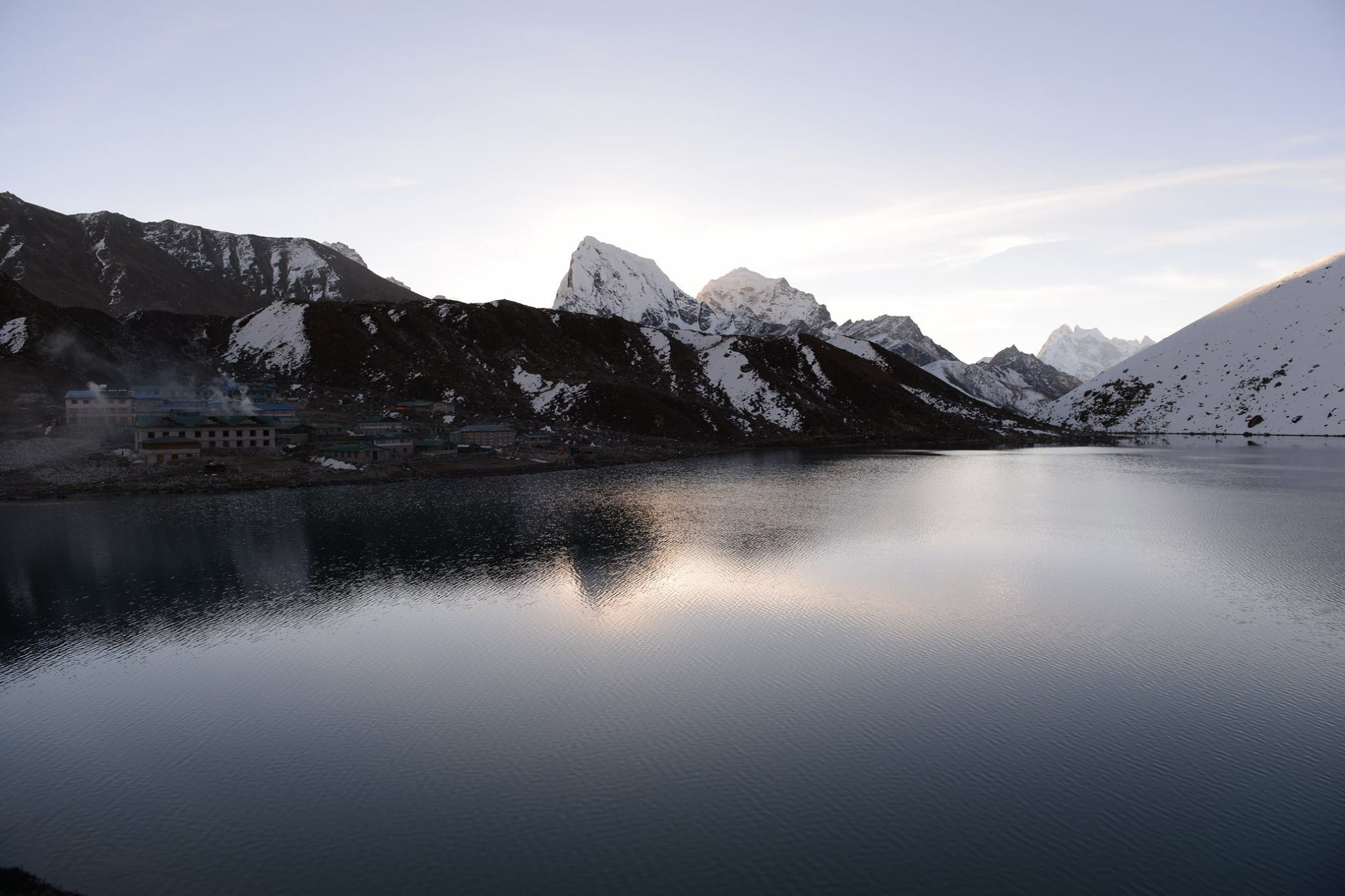
Walk through the trails of Phangkha and descend to the riverbank. Slowly climb over a steep moraine of the Ngozumpa Glacier and traverse a bridge. Continue following the path and pass Gokyo Lake I, II, and III and arrive at Gokyo village with Mt. Cho Oyu in the background. Later, explore the third lake and overnight in Gokyo village.
Walking Distance – 8 km/ 4.9 miles
Included meals: Breakfast, Lunch, and Dinner
Day 09: Gokyo Valley: Acclimatization
A rest day in the Gokyo Valley for acclimatization to adjust to the altitude. Some options are there to hike and explore. A hike to Gokyo Ri to enjoy the wonderful views of mountain vistas and the Gokyo valley. Else, a hike to the Gokyo 4th Lake and 5th Lake and get amusement with the serene beauty of the lake. Also, hike to Scoundrel’s Viewpoint from the edge of 5th Lake. Witness some majestic views of Everest, Lhotse, Nuptse, Cho Oyu, Makalu mountains, and the largest Ngozumpa Glacier. Trek back to Gokyo and spend the night.
Walking Distance – 3 km
Included meals: Breakfast, Lunch, and Dinner
Day 10: Gokyo to Thagnak (4750 m/15,580 ft): 4 – 5 hours
Walk traversing along the edge of the mountains and adore the surrounding scenery. Arrive at Thagnak and stay overnight.
Included meals: Breakfast, Lunch, and Dinner
Day 11: Thagnak via Cho La pass (5,420m/17,782 ft) to Dzongla(15, 939 ft): 7 – 9 hours
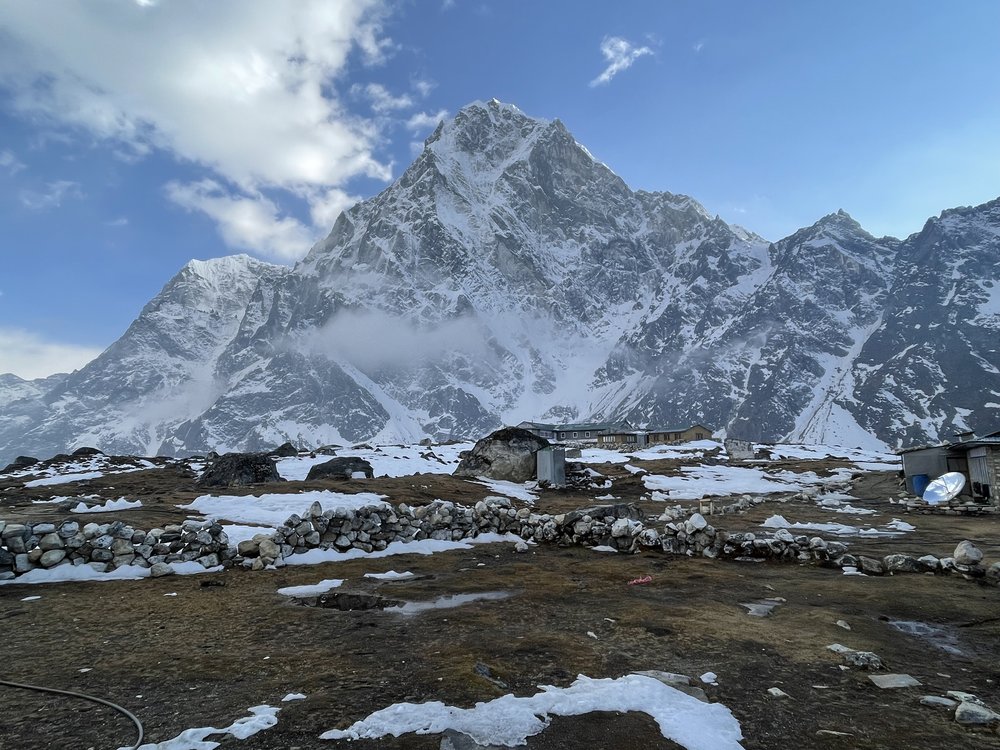
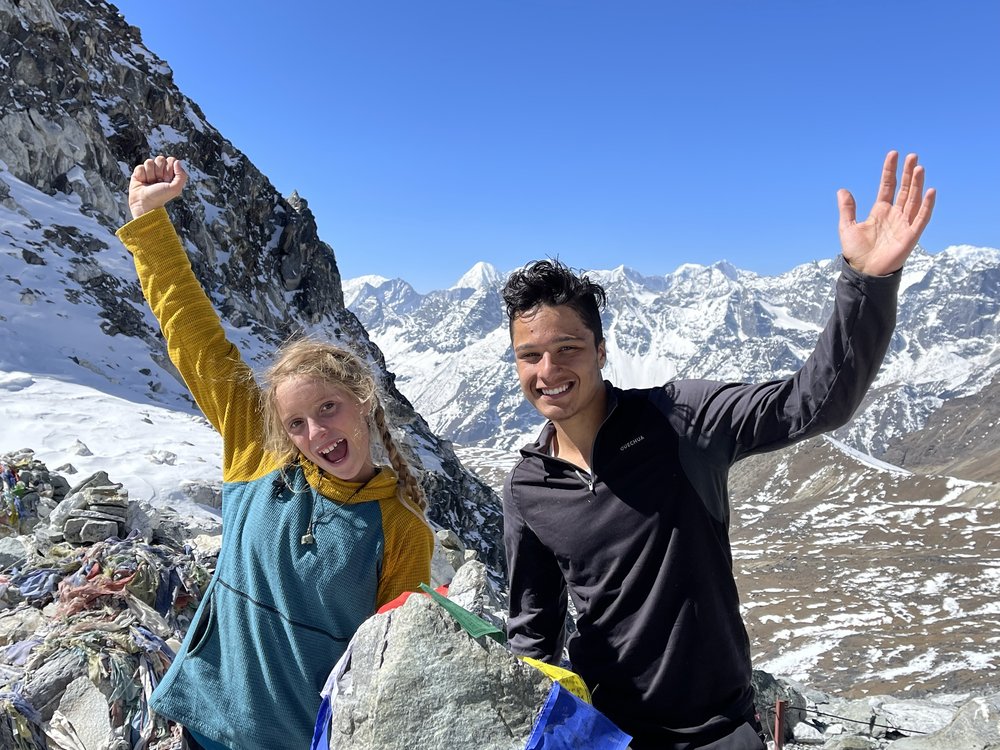
A long yet fruitful trek via Cho La Pass from Thagnak to Dzongla. Climb carefully towards Cho La Pass as the trail is steep and have to traverse through some glaciers. The sight of prayer flags reaching the top and spectacular views of Ama Dablam, Lobuche, and Baruntse are so close. Descend slowly and continue further to reach Dzongla. Overnight in Dzongla.
Included meals: Breakfast, Lunch, and Dinner
Day 12: Dzongla to Lobuche (4940 m/16,207 ft): 2 – 3 hours
A short trek to Dzongla enjoying the surrounding beauty and walking on a grassy trail. Get a glimpse of Lobuche Peak en route. Arrive at Lobuche and take a rest and prepare for the next day’s long trek. Overnight in Lobuche.
Included meals: Breakfast, Lunch, and Dinner
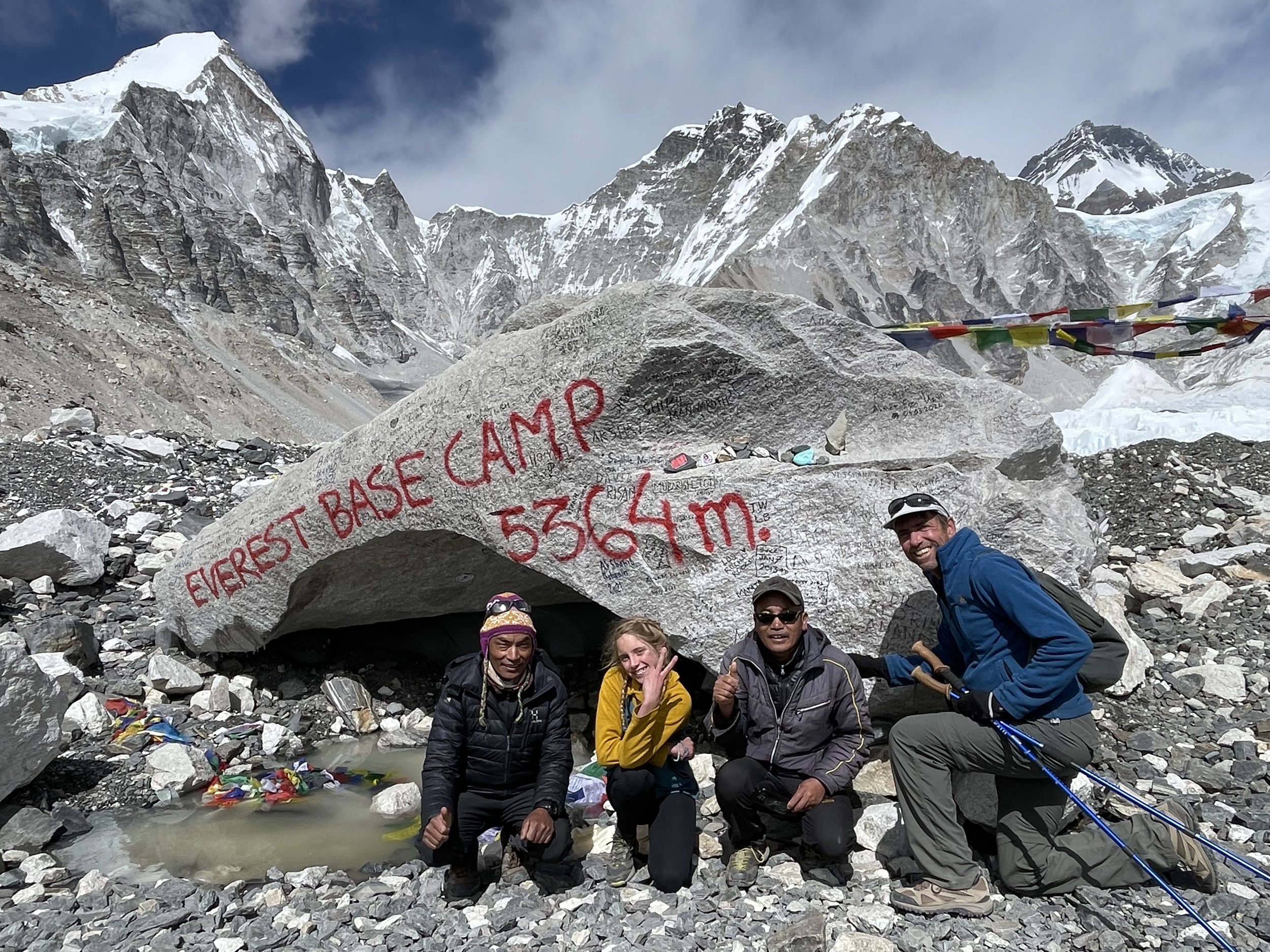
Day 13: Lobuche to Gorak Shep (5,170 m/16,961ft), visit Everest Base Camp (5,364 m/17,594 ft): 6 – 8 hours
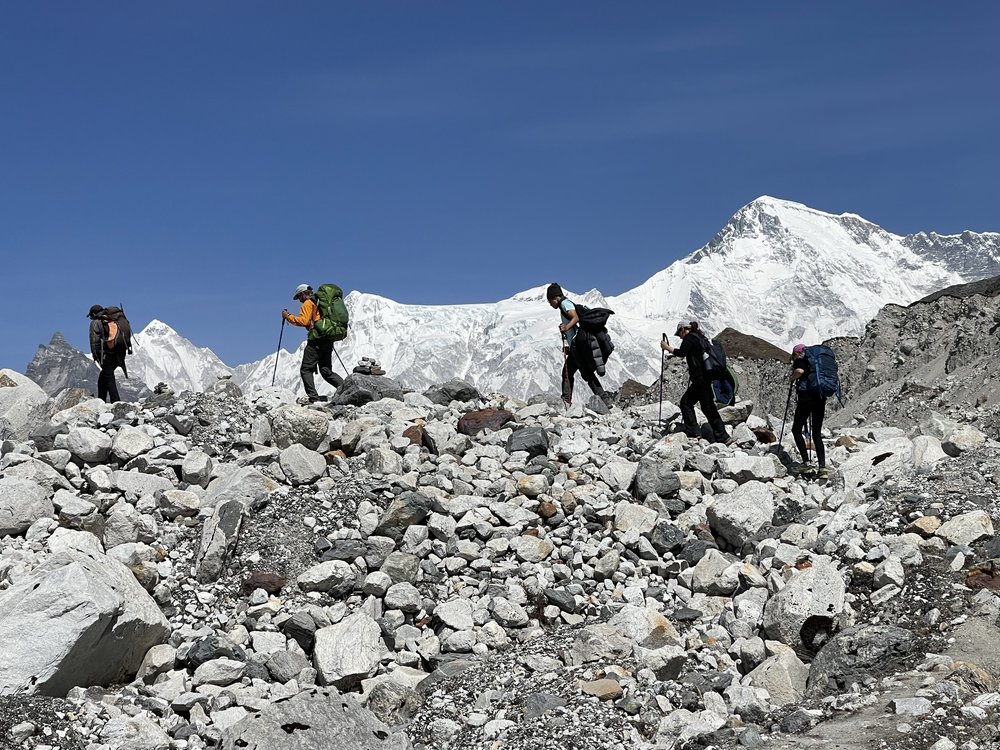
A long trek commences from Lobuche to Everest Base Camp. Stop at Gorak Shep for lunch and continue further to the base camp. Passing through glacial moraines and following the guide’s instructions carefully reach the base camp. Enjoy the close-up views of Mt. Nuptse, Lhotse, Pumori, and others from the Everest Base Camp. A dream to trek to the Everest Base Camp is finally accomplished. Spend some time there and return to Gorak Shep for an overnight stay.
Included meals: Breakfast, Lunch, and Dinner
Day 14: Gorak Shep to Kala Patthar (5,550m/18,208ft) to Pheriche (4,288m/14,070ft) 7-8 hours
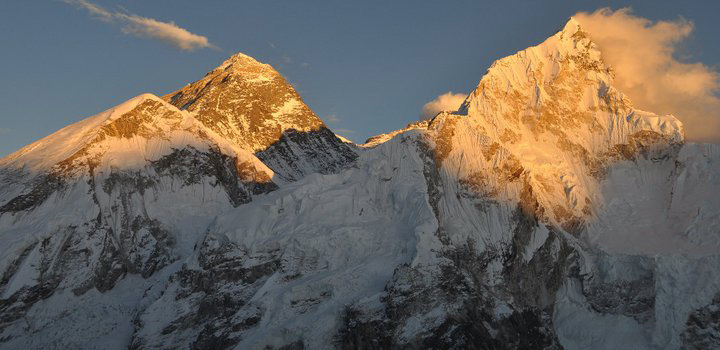
An early morning trek towards Kala Patthar around 3 am. Kala Patthar is the perfect destination to get an awesome sunrise view over Mt. Everest and panoramic mountain vistas. Upon reaching Kala Patthar, enjoy the close-up views of Lingtren, Khumbutse, Nuptse, Lhotse, Mt. Everest, and other mountains. Take some snaps and return to Gorak Shep. Have lunch over there and descend to Pheriche for an overnight stay.
Included meals: Breakfast, Lunch, and Dinner
Day 15: Pheriche to Namche Bazaar: 6 – 7 hours
Walk through the hillside surrounded by trees of juniper and rhododendron. Follow the Dudh Koshi Gorge after crossing a bridge and descending through the pine forest. Enjoy the views of Nuptse, Ama Dablam, and Thamserku mountains and reach Namche Bazaar. Overnight in Namche Bazaar.
Included meals: Breakfast, Lunch, and Dinner
Day 16: Namche Bazaar to Lukla (2,800m/9,186ft): 6 – 7 hours
Walk on a steep downward trail and traverse a suspension bridge over the Dudh Koshi River. Arrive at Lukla and spend last night in the lap of mountains. Take complete rest and enjoy the night by celebrating and eating food and drinks. Overnight in Lukla.
Included meals: Breakfast, Lunch, and Dinner
Day 17: Lukla – Kathmandu(1,350m/4,428ft)
An early morning flight to Kathmandu after accomplishing the long trek. Rest and enjoy the day completely in Kathmandu. Relax at a hotel and later join us for a cultural dinner. Overnight in Kathmandu.
Included meal: Breakfast
Day 18: Departure Day
Our driver transfers you to the airport for final departure to connect your international flight. Have a safe journey.
Included meal: Breakfast
Note: Since flights from Kathmandu to Lukla to Kathmandu airport are occasionally delayed or canceled due to inclement weather, we always advise adding two to three days to your trip to reduce the chance of missing your flight home. We might switch the schedule to an equally good alternative trek if the aircraft to Lukla is canceled for longer than three days. You are free to wait in Kathmandu for as many days as it takes to get a flight to Lukla if you would rather wait for your initial preferred trip and are not interested in the alternate one. Additionally, we advise you to purchase travel insurance that covers helicopter rides and aircraft cancellations or delays.
What’s Included
- Airport pickups and drops by private vehicle
- 3- Star category hotel in Kathmandu with breakfast
- Teahouse/Lodge accommodation including Breakfast, Lunch, and Dinner during the trek
- Farewell dinner at the end of the trip
- Domestic flights (Kathmandu- Lukla -Kathmandu)
- Sightseeing in Kathmandu (4 – 6 hr)
- An experienced, English-speaking, and government-licensed trekking guide.
- Porter service (2 trekkers: 1 porter)
- Staff costs including their salary, insurance, equipment, domestic airfare, food and, accommodation
- All necessary paperwork and trekking permits (National Park Permit, TIMS)
- Medical kit (carried by your trek leader)
- All government and local taxes
What’s Excluded
- Nepalese visa fee
- Excess baggage charge(s)
- Tour Guide and Entrance Fees for Sightseeing in Kathmandu
- Extra night accommodation in Kathmandu because of early arrival, late departure, or early return from the mountain (due to any reason) than the scheduled itinerary
- Lunch and Dinner in Kathmandu
- International flights
- Travel and rescue insurance
- Personal expenses (phone calls, laundry, Bar bills, battery recharge, extra porters, bottle or boiled water, Tea, Coffee, Alcoholic drinks, hot and Cold drinks, WiFi, hot shower, etc.)
- Tips for guide(s), porter(s) and driver(s)
Accommodation during the Trek
Lodges or teahouses with basic facilities such as beds, blankets, and pillows are accommodation types during the Chola Pass via Gokyo. The availability of attached bathrooms is available in the lower regions only. As you go higher, the bathrooms are outside the Room. The additional facilities like using Wi-Fi, charging electronic devices, laundry, hot shower, etc are an extra chargeable.
Meals during the Trek
The 3-course full-board meals are provided during the Everest Base Camp with chola pass via Gokyo Valley Trek. Meal options are limited. Dal-Bhat is the primary option with some options like soup, eggs, noodles, hot/cold drinks etc also available.
Drinking Water during the Trek
In Lower Places here will be Bottled water, and if you go higher there will be option either Tap water, and boiled water for drinking water during the Trek. Pay an extra cost for drinking or boiled water at teahouses or lodges or buy bottled water as a preference. For safe drinking water, carry water purification kits and a water bottle for ease.
Internet and Phone Networks during the Trek
Internet and Phone networks during the Everest Base Camp with Chola Pass via Gokyo are stable mostly in the lower regions. In the higher regions, networks are unstable. For the use of Wi-Fi, pay an additional cost at teahouses.
Best Season for the Everest Base Camp Trek with Chola Pass via Gokyo
Spring (Mar – May) and Autumn (Sep-Nov) are the best seasons for this Trek. The clear weather, stable temperatures, awesome panoramic vistas, and comfortable trekking trails make these seasons ideal for this trek.
The rainy (Jun – Aug) and winter (Dec – Feb) seasons are not ideal due to unpredictable and unstable weather and temperature. The trekking trails are slippery, muddy, or snowy, and the availability of accommodations is limited.
Trek Difficulty
The highest elevation during Everest Trek which lies at (5,555 m). Everest Trek is difficult considering its ascends and descends, high elevations, daily long hours of walking, rough trails, and limited availability of teahouses or lodges. Also, the chances of getting altitude sickness are common. Thus, acclimatization rest is essential. With proper preparation, this trek is possible.
Altitude Sickness and Preventions during the Trek
Altitude Sickness is common in the Everest Base Camp Trek with Chola Pass via Gokyo. Altitude sickness doesn’t care how fit you are. It doesn’t care if you have done this before. It hits first timers and seasoned trekkers alike and in the the mountains, being unprepared can cost you the entire trip.
You have put together the most complete guide to acute mountain sickness(AMS) so you exatly what to watch for, how to respond and how to prevent it before it starts.
What is Altitude Sickness
When you ascend up quickly your body doesn’t get enough to time to adjust to lower oxygen levels. This is called Acute mountain Sickness(AMS)
- Brain and Lungs stugle with less oxygen
- Starts as low as 2500m above sea level
- Affects all trekkers regardless of fitneness level.
Here’s what’s inside
- What is altitude sickness and how it happens
- What is the early symptoms most trekkers ignore
- The Three severity level AMS, HACE, HAPE
- Golden Rule: Climb High, Sleep Low
- Prevention Tips before you even hit the trail
- Guide what to do if hits you
- How wildfloc builds safety into every trek plan
Stop, Rest, Do not Push on
- The Moment system appear just to respond Calmly and Correctly
- Rest and Hydrate
- Mild AMS often recover in 12 to 24 hours
- Descend 3 to 5 hundred meters if no improvement seen
Before you Start
- Spend 1, 2 days at an intermediate altitude before going up
- Avoid Alcohol and Sleeping pills
- Eat light, Carbohydrate reach meals at high altitude
- Consult a doctor about Diamox before the Trek for High Altitude
- Drink 3, 4 liters of water daily
- Fitness does not protect you so Respect Altitude
3 Level you Must Know
- AMS: Headache, fatigue, Nausea, Rest and Hydrate do not ascend faster and Further
- HACE: Brain Swelling, Confusion, Loss of Coordination, Descend Immediately
- HAPE: Fluid in Lungs, Extreme Breathlessness, prink frothy cough, life threatening
How to know AMS is starting
- Headache
- Lethargy
- A drop in performance
- Loose of motion
- Insomnia
- Appetite loss
- Dizziness
- Nausea
- Vomiting
Preventive measures for Altitude Sickness are:
- Stretch and warm up before trekking.
- Stay hydrated with regular water intake.
- Ascend gradually and rest well.
- Avoid salt, alcohol, and smoking.
- Urinate frequently.
- Descend if feeling unwell.
- Consult guides for medicine
How we keep you Safe
We build every trek plan around acclimatization first. You can wait to summit but can’t wait safety. So gradual trek plans with Acclimatization days. Years of experiences with deep mountain knowledge Guide. Emergency Oxygen and Evacuation Protocal on every Trek.
Fitness Level during the Trek
Everest Base Camp with Gokyo Valley Trek is demanding due to its challenging terrain, daily long hours of walking, high elevations, several ups and downs, and rugged trails. Thus, a strong fitness level is a key factor for this trek. Therefore, we recommend trekkers participate in physical exercises and short hikes for a few months, and necessary physical check-ups before commencing this trek.
Travel Insurance during the Trek
Travel Insurance is a safety tool for trekking in the mountains. It should cover all emergencies including medical costs, loss of goods, flight delays, evacuation, and high elevations above 5000 m. getting travel insurance is beneficial. Please Check out FAQ for more information.
Guides and Porters during the Trek
Guide and Porters are optional but for a comfortable trekking experience hiring a Guide and porter is the ideal decision. Our guides and porters are professional and have lots of experience in the mountains. Our team ensures trekkers’ safety as it is the top priority.
Everest Base Camp with Chola Pass via Gokyo Permits
The required permits for Everest Trek are as follows:
- National Park Permit
- Trekking Permit
Below equipment list is only a guideline. you can choose from your preferred brands using your expertise. You can also shop the below equipment and clothing at a reasonable price at stores in Thamel, Kathmandu. The personal items are of individual interest and choice. The most important fact that one should keep in mind is that one should have enough clothes to tackle the cold weather in the Himalayas.
Upper Body – Head / Ears / Eyes
- Sun hat
- Wool or synthetic hat that covers the ears
- Sunglasses with UV protection
- Headlamp
- Neck warmer
Hand
- Liner gloves
- Heavier shell gloves
Core Body
- T-shirts (2)
- Lightweight expedition thermal tops
- Fleece jacket or pullover
- Water/windproof shell jacket (Preferably breathable fabric)
- Synthetic sports bras (for women)
Lower Body – Legs
- Lightweight expedition thermal bottoms
- Nylon hiking shorts
- Soft shell and hard shell trekking pants
- Water/windproof trousers
- Casual pants
Feet
- Liner socks
- Heavyweight socks
- Crampons
- Waterproof hiking/trekking boots
- Light shoes/sneakers
- Gaiters (For monsoon and winter)
Other Essential
- Passport and extra passport photos (2 copies)
- Airline tickets (Please make a copy and leave one at our office in KTM just in case you need to change the date of yours)
- Durable wallet/pouch for travel documents, money & passport
- Water bottle/bladder
- Water purification Iodine tablets
- Toiletries (Include toilet paper, wet wipes, and liquid hand sanitizer, towel, soap)
Medicines and First Aid Kit
- Extra Strength Excedrin for altitude-related headaches
- Ibuprofen for general aches and pains
- Immodium or Pepto bismol capsules for upset stomach or diarrhea
- Diamox (commonly prescribed as Acetazolamide) 125 or 250mg tablets for altitude sickness
- Anti-infection ointments
- Band-aids
- Lip balm (At least SPF 20)
- Sunscreen (SPF 40)
Optional
- Adjustable trekking poles
- Favorite snacks
- Cameras (Memory cards, chargers and, batteries)
Fitness Level: This Trip Requires you to be in Good Health with Physically Fitness.
Skills: Your familiarity with the mountainous terrain and previous trekking experience will be plus points.
Note: Above equipment list is only a guideline. You need to bring the listed items, however, you can choose from your preferred brands using your expertise. You can also shop the above equipment and clothing at a reasonable price at stores in Thamel, Kathmandu.
- Will somebody come to pick me up ?
A representative from Himalayan Sanctuary Adventure will pick you up from Tribhuvan Internation Airport, in Kathmandu
- What sort of accommodation can I expect in trekking ?
Normal Teahouses/lodges will be provided along the trekking routes in the mountains. The lodges in trekking routes usually provide single and double rooms. At times when possible, dining will be around a bonfire. In tea houses, food will be prepared in the kitchen which you should not enter without permission. somewhere until Dingboche, you will have an attached toilet and bathroom. But in two locations Lobuche and Gorakshep, you will have to use a common toilet and bathroom. (depend on the Season)
- Is it possible to swap my accommodation from a mountain guesthouse to a hotel in Kathmandu ?
Substituting the accommodation or swapping from the mountain guest house to Kathmandu is not possible. We only provide 3 nights’ accommodation in Kathmandu included in the package. In case of flight cancellation or early arrival to Kathmandu due to any sickness in the mountain or any of your reason or due to bad weather and you are unable to continue the trek, you will need an extra night accommodation/s in Kathmandu. We can make these arrangements for a supplemental charge.
- Is it possible to reserve a trip now and pay a deposit later or do I Have to pay a deposit at booking/reservation ?
Yes ! The trip will be confirmed only when we receive the completed final booking form and a 30% deposit payment. You can pay the balance of the money when you arrive in Kathmandu.
- Is there a possibility of getting separate rooms for the trip?
During the trek, we will try our best but normally the lodges have twin-sharing and dormitory-styled rooms instead of a single room.
- Is this a guaranteed departure even if I am alone starting in the requested trip?
Yes, all our trips are guaranteed to run. We never cancel the trip due to not having enough participants, we can arrange the trip for one person as well.
- Why Should I choose Himalayan Sanctuary Adventure for the Everest Base Camp with Chola Pass via Gokyo Trek ?
When you are planning for the to trek you must choose the right company. you should consider the arrangement that your company is making for you not emphasizing the price.
you have to make sure that the company registered with authorized and reputation with good reviews from the past customers.
choosing the Best Trekking Company can assure that everything will be organized as per your requirements so that your holiday could be fruitful with comprehensive trekking experience.
- When I pay the remainder of the money on arrival in Kathmandu, how do you take that money? US cash or credit card ?
You can clear the remainder of the money upon your arrival in Kathmandu or even before you arrive in Kathmandu. You can use USD, Euro, Pound, Canadian Dollar, Swiss franc in cash, Master, or Visa cards for the payment options. There will be a 4% bank levy when paying by credit card.
- What sort of food can I expect in trekking?
Most teahouses (lodges) in Everest Base Camp trails cook a delicious range of mostly vegetarian fare. Pasta, tuna bakes, noodles, potatoes, eggs, daal Bhat (rice and lentils), bread, soup, fresh vegetables (variety depends on the season), and even some desserts like apple pies, pancakes, and some interesting attempts at custard. You will find a lot of garlic on the menu because it assists with acclimatization – eat some every day. In many larger villages, you may find some meat items on the menu. You can always get hot chocolate, tea, and hot lemon drinks, as well as soft drinks, and treats like chocolate and crisps. Each day dinner and breakfast will be at a lodge you’ll stay at while lunch will be taken on the way to the destination
- Is the food in the mountain prepared to international standards in terms of safety?
Yes, the food is very safe during the trekking but we recommend you to eat vegetarian and local food. Please follow the suggestion of our guide on the trek.
- Is water provided and is there still water available at higher altitudes? Is it filtered/boiled? Readily available ?
Bottled water is easily available at the lodges and tea houses. You can buy bottled water at the cost of USD 2 at lower elevations to USD 4 to higher elevations per littler. You can also drink the normal tap or spring water if you bring the purifying aid with you.
- 11. What is the alternative option if my flight to and from Lukla is canceled or delayed ?
Sometimes, flights (to and from Lukla) may be canceled due to mountain weather conditions or technical issues. In such a case, Himalaya Sanctuary Adventure can help you charter a helicopter to ensure you are on schedule for your trek or international flight. The helicopter can fly if the visibility is 1500m, while the twin otter and Dornier can fly if the visibility is 5000m, as per Nepal’s Civil Aviation rules. If the weather is extreme and the visibility is lesser than 1,500m helicopters are also not operated for the flights. In such cases, we will reschedule your flight for the next day providing you with alternative trek options
- How much should I pay for the Heli charter ?
The cost of the helicopter is payable directly to our Kathmandu office if this service is utilized. US cash or credit cards (Visa Cards, Master Cards only) are accepted. You will be given a receipt upon payment so that you may claim the amount from your travel insurance. The extra charges incurred are approximately $2,500 to USD 3,000 per helicopter (minimum USD 500 to maximum USD 3,000 per person) would apply to you for the helicopter charter. Usually, the helicopter takes only 3 to 5 passengers at a time. Therefore whatever the cost of a helicopter is, the price is divided among the group members. Any card payment requires a 4% bank fee while doing the transaction, which is taken by the bank itself. (Himalayan Sanctuary Adventure doesn’t own any of those 4% amounts)
- What is the best season for this trekking ?
Our trekking season extends from mid-September to May. From early September the monsoonal rains decrease. By the end of September through to December, the weather is usually stable with mild to warm days, and cold nights. February, March, April, May, October, November, and December is the best time to do Everest base camp deluxe trek
- What sort of weather conditions and temperatures will be in Trekking?
Every trekking trip up the mighty Mt. Everest presents its own amazing, unforgettable moments that forever live on in the hearts and minds of those brave enough to make the climb. One of the most unpredictable elements of the Everest region is the weather. If you’re not properly prepared for the twists, turns, and volatility of the conditions that can occur in this breathtaking region, you might find yourself in an uncomfortable and unpleasant situation. Here are some weather basics to help ensure that you come to the Himalayas as well-equipped and prepared to face anything.
- Spring – March / April / May / June
Spring happens to be one of the best times of the year to visit the Everest region, although because of this, it can become somewhat crowded. During springtime, the average temperature is 17 degrees C with a maximum of 25 degrees C during sunny days and a minimum of -15 degrees C in the morning and at night for areas above 4000 meters.
- July / August Through Mid- September
Monsoon Season This season is not recommended to travel as it rains in the lower altitudes, below 3500 meters. In areas above 4000 meters, it rains sometimes and although it is also sometimes dry, very few people travel during this season. There are positives to trekking during the monsoon months, however. The excess rainfall can provide ample chance to see spectacular views of the waterfall and it’s also the best season to avoid the crowds. The maximum temperature during the monsoon season averages 25 degrees C during sunny days with a minimum of -15 degrees C in the morning and night at areas above 4000 meters. The average temperature tends to hover around a comfortable 18 degrees C.
- Autumn – End of September / October / November
Similar to springtime, autumn in the Everest region is also a crowded season, but it’s one of the best times to trek. While it lacks the beauty of flowers, the clear blue sky can be seen, affording incredible views from just about every angle. The average temperature during the fall is 15 degrees C with a maximum temp of 20 degrees C during sunny days and a minimum of -10 degrees C in the morning and at night, for areas above 4000 meters altitude. Regardless of the time of year, trekkers should always plan accordingly and bring clothing for both cooler and warmer temps. Layering is always recommended, as are pants that can double as shorts.
- Can I obtain a visa for Nepal upon arrival at the airport ?
YES, you can obtain a visa easily upon your arrival at Tribhuvan International Airport in Kathmandu. A tourist Visa with Multiple Entries for 30 days can be obtained by paying US $ 40 or equivalent foreign currency. Similarly, a Tourist Visa with Multiple Entries for 90 days can be obtained by paying US $ 100. Please bring 2 copies of passport-size photos.
- What if I am very sick in the mountain ?
Our guides are 24 hours available for services during the trek. They are trained to use the first aid kit and have the knowledge to use an Oxy meter. They are very much aware that the higher the altitude the oxygen level gets lesser so to get updated on the oxygen level of our client and to know whether they are fit enough or need extra precautions to continue. During the time of emergency, our guides are alert and keep updated with the head office in Kathmandu which is available 24 /7 to arrange from horse to mules or helicopters in the most needed cases especially when the client is seriously sick in the mountain and needed to be hospitalized.
- What immunizations will I need ?
No vaccinations are compulsory in the Himalayas, but we do recommend you are covered for diphtheria & TB, hepatitis A, hepatitis B, *malaria, typhoid, polio, and tetanus. We also recommend: · A dental check-up before traveling. · That you know your blood group in case of emergency.
- What is your cancellation policy ?
A cancellation notice is required a minimum of 20 days before trip departure. If the reason is valid the trip shall then be termed as canceled and the cancellation charge of 30% of the trip amount would be deducted from the advance paid. If you do not cancel your trip before 20 days due to whatsoever reasons, you must be aware that the trip you’ve already bought is completely non-refundable as per our terms and conditions. If your trip is cut short due to weather/illness/personal reasons, there is no refund for accommodations unused.
- Where do we go to the toilet along the trail ?
Wherever possible we utilize the toilet facilities provided by the tea houses/lodges on the trail. However, in case of emergency trekkers are recommended to find a private, scenic spot!
- What are the Toilet facilities in the tea house/guesthouse ?
Most of the tea houses do have western-style flushing toilets however tea houses at higher elevations you could find the squat toilets made of either a ceramic basin on the ground or a few planks precariously positioned over a hole in the ground which is always outside.
How much luggage is allowed on the Tara/Sita and Summit Air flight to Lukla ?
Lukla flights impose a strict weight limit of 15 kilograms per passenger, divided into 10 kilograms for checked baggage and 5 kilograms for hand carry. This limit is consistent across all airlines serving Lukla.
This allowance is notably lower than typical international flights, which usually permit 20-23 kilograms of checked luggage alone. The stricter limit is necessary due to the STOL (Short Takeoff and Landing) aircraft used at Lukla, which have a limited payload capacity, especially at high altitude where lower air density affects aircraft performance.
- Is there a possibility of getting separate rooms for the trip? If so how much extra will this cost ?
Normally the lodges have twin-sharing and dormitory-styled rooms. The lodges will provide a private room for one person when available. In Kathmandu, USD 45 Per Room per Night would be added as a single supplement fee. The single supplements are always guaranteed in Kathmandu but not in the mountains especially during the peak time.
- Do i need travel insurance for a trip ? How Can travel insurance health coverage ?
Some Guideline of Insurance company for Trekking and Travel Worldwide Up to 5500 m are as below.
https://www. nepaltrekkinginsurance.com
Best Insurance for Canada and America
https://www.travelex-insurance.com
Best Insurance for New Zealand, Australia, Malaysia, and Thailand Nationalites
https://www.nepaltrekkinginsurance.com/policies/trek-insurance
https://www.worldnomads.com.au
Best Insurance Policy for the United Kingdom Nationalities
https://www.travel-guard.co.uk
https://www.worldnomads.co.uk
https://www.direct-travel.co.uk
https://www.essentialtravel.co.uk
Best Insurance for European Travelers
| Start Date | End Date | Price in USD | Availability | Booking | Note |
|---|
Avabillity Options
OPEN: This date is available and open for bookings. Go for it!
GUARANTEED: Guaranteed departure. Seat Available.
LIMITED: Guaranteed departure, Limited seat. You can send booking request for availability.
FULL:This date is currently unavailable. Please contact us if you are interested in traveling on this date.