Gokyo Valley Trek


Highlight of Gokyo Valley Trek
- Glacial Lakes
The lake’s breathtakingly gorgeous turquoise-blue waters are its most notable feature. Travelers and photographers are captivated by the lake’s pristine appearance, which reflects the majestic Himalayan peaks. - Gokyo Ri, also known as Gokyo Peak
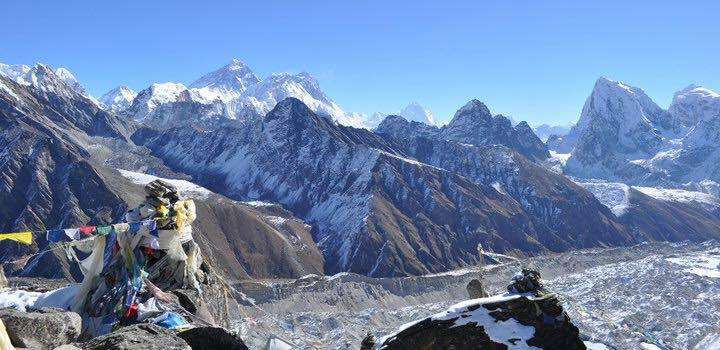
The ascent to Gokyo Ri is well-known for offering breathtaking views of the area at sunrise and sunset. Trekkers can see four of the fourteen highest peaks in the world, including Everest, from the summit. - A Less Congested Option for Everest Base Camp
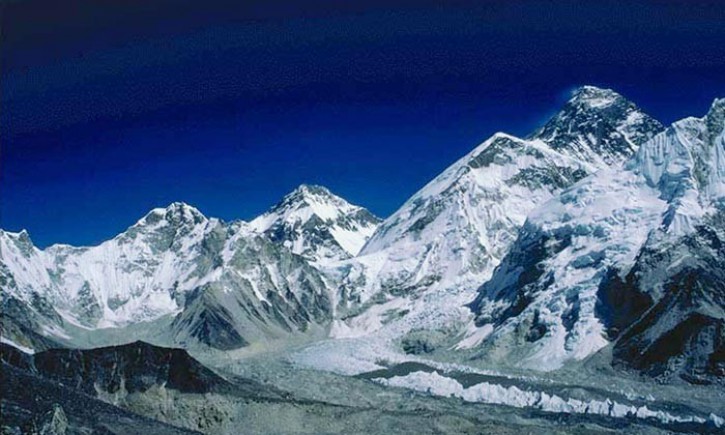
Gokyo provides a calmer, more tranquil trekking experience than the more popular Everest Base Camp trek. Trekkers who want to experience the splendor of the Khumbu region without the crowds are known to love it. - Breathtaking panoramic views of Everest, Lhotse, Makalu, Cho Oyu, and other nearby peaks., Visit Namche Bazaar, the bustling hub of the Khumbu region, known for its markets, shops, and vibrant culture. The Everest region is also home to a diverse range of wildlife, including the Himalayan tahr, musk deer, snow leopards, and wild yaks.
- The flora is equally diverse, with alpine meadows, rhododendron forests, and juniper trees
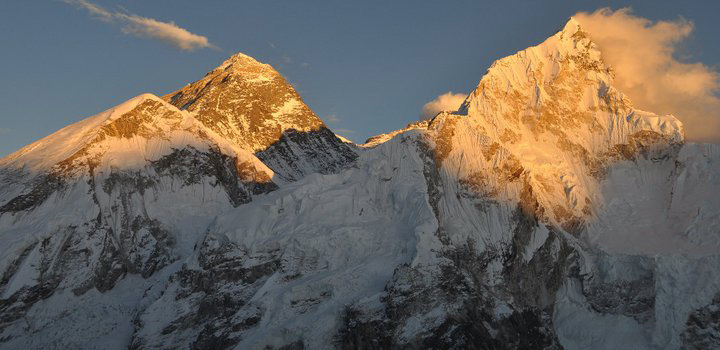
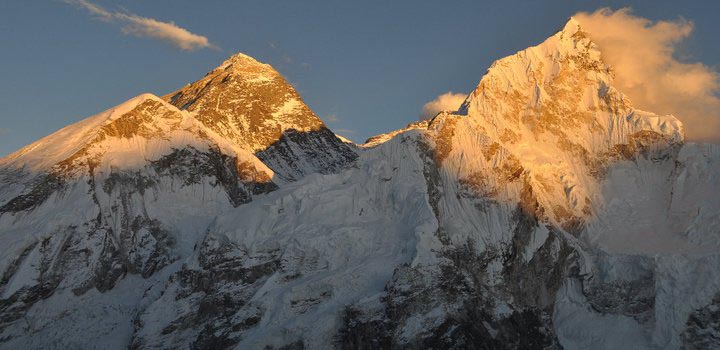
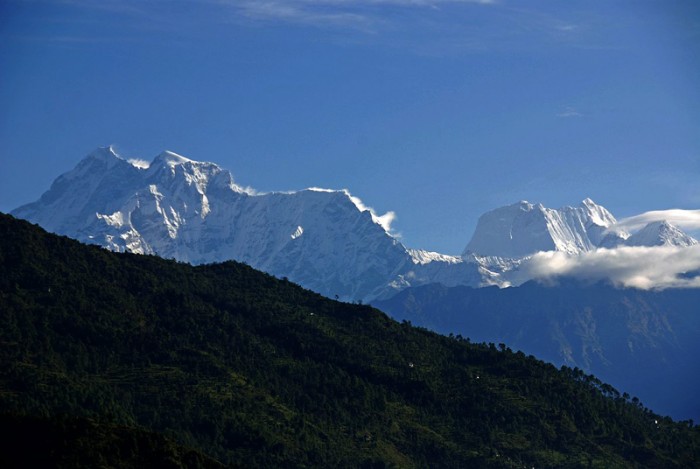
Gokyo Valley is one of the most famous trekking destinations in Everest Region Trek, Gokyo Valley Trek offers fabulous Himalayan perspectives of more than 8000m height of four mountains including the tallest mountain of the world Mt. Everest (8848.86m), Mt. Lhotse (8516m), Mt. Makalu (8463m), Mt. Cho Oyu (8201) including 27 blanketed caped piles of Everest Himalayan range.
This trek also provides an opportunity to visit the wonderful Gokyo valley, Gokyo Lake, rich valley, and Tibetan Sherpa culture. Gokyo Lake is one of the wonderful lakes on the Everest trekking trail lies at 4750m in height, and Gokyo Ri (5360m) is the major attraction of this trek. The valley is located in the Everest region, which is well-known for being close to some of the highest mountains in the world, such as Mount Everest, Lhotse, and Cho Oyu.
The Lakes are located roughly at 27.9625° N, 86.6875° E, at elevations between 4,650 and 5,000 meters (15,255 and 16,404 feet).
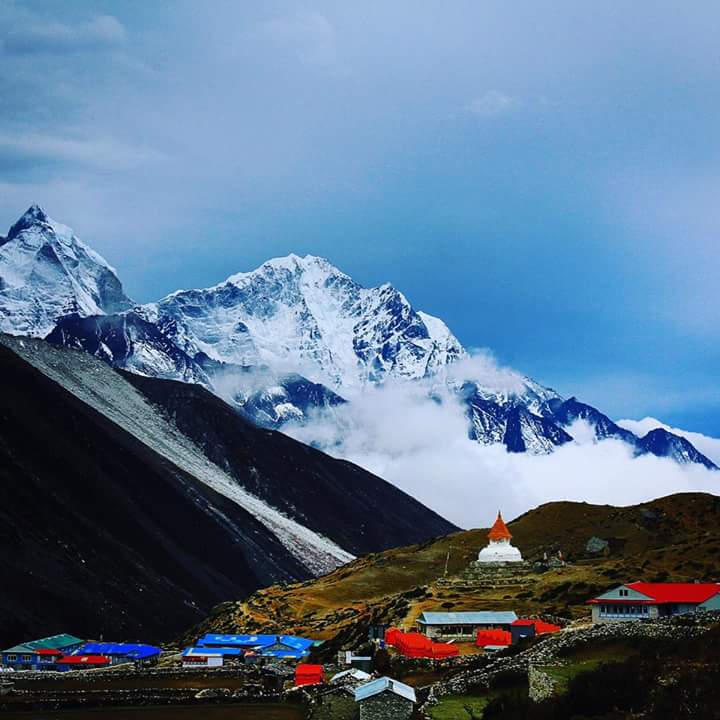
Gokyo Valley Trek is located in the Khumbu region towards the west which is part of the Sagarmatha National Park in northeastern Nepal’s Solukhumbu District. The highlight of the Gokyo Valley Trek is to explore the remote and beautiful valleys, which leads us to the living of Sherpas and learn about their culture and tradition. You’ll complete a Lukla to Gokyo Lake trek in 5 days.
The unexpected excellent views of mountains and lakes will make you feel relaxed. The Himalayan tahr, the Himalayan monal (a colorful pheasant), and other high-altitude birds are among the species of wildlife that can be found near Gokyo Lakes.
Smaller mammals can also be found in the area, and snow leopards are occasionally spotted there. For travelers looking for breathtaking natural beauty, spiritual encounters, and expansive views of the Everest region, Gokyo is a must-visit location.
Once you’re there, you will be surrounded by the warm love of the mountains and the culture of the people there. Flowing water, grazing yaks, and singing forests will arrest your heart. You’ll get an opportunity to explore Nepal’s internal beauty on this trip, with lots of unforgettable memories that will last a lifetime. A stunning fusion of cultural diversity and natural beauty can be found at Gokyo Lake.
It’s a must-visit location for any adventure seeker because of its tranquil turquoise waters and breathtaking scenery. Gokyo promises a memorable experience, whether you’re drawn in by the spiritual significance, the difficulty of the trek, or the expansive views from Gokyo Ri. The scene is given a raw, rugged beauty by the elevation deposits and glacial waste that encircle the lake.
We Offer severeal other treks in Everest Region, such as Everest Panorama Trek, Gokyo Valley with Renjo La Pass Trek, 12 Days Everest Base Camp Trek, Everest Three pass Trek, 15 Days Everest Base Camp Trek, Everest Base Camp with Gokyo Lakes Trek so feel free to Get In Touch with our Expert Trek plannes for Customized and Personalozed itineraries
Day 01: Kathmandu arrival(1,350m/4,428ft) and hotel transfer
Day 02: Kathmandu Valley Sightseeing
Day 03: Kathmandu to Ramechhap to Lukla & Trek to Phakding (2650m)
Day 04: Trek from Phakding to Namche Bazaar (3440m)
Day 05: Namche Bazaar Acclimatization (3,440m/11,284ft)
Day 06: Trek from Namche to Dole(4,038 m/13,248 ft)
Day 07: Trek from Dole to Machhermo (4,470 m/14,665 ft)
Day 08: Trek from Machhermo to Gokyo Lakes (4750 m)
Day 09: Explore the Gokyo Lakes and Gokyo Ri(5,357 m/17,575 ft)
Day 10: Trek from Gokyo Valley to Dole (4200 m)
Day 11: Trek from Dole to Khumjung(3,790 m/12,434 ft)
Day 12: Trek from Khumjung to Monjo(2,835 m/9,301 ft)
Day 13: Trek from Monjo to Lukla(2,846 m/9,337 ft)
Day 14: Flight from Lukla to Kathmandu
Day 15: Departure for your onward flight
Day 01: Kathmandu Arrival (1,350m/4,428ft)
Welcome to the Country of Himalayas !
As you arrive at Tribhuvan Internation Airport, Kathmanndu, One of the Representative from Himalayan Sanctuary Adventure will be waiting for you outside the terminal holding your name to escort you to your specified Hotel. Upon your arrival you will be warmly welcomed and transfer to your hotel in Kathmandu. After Check in you will be briefed to carry out the final preparation required for the trek. So that you can relax and prepare for the adventure ahead.
Day 02: Kathmandu Valley Sightseeing (4 – 6hr)
After breakfast in the morning, you proceed to the Sightseeing place as given below:
- Patan Durbar Square: Patan Durbar Square is a fascinating combination of palace buildings, artistic courtyards, and graceful pagoda temples. The Krishna Mandir (Temple) from the 17th century is a major attraction. The Patan Museum contains bronze statues and other religious objects which has great significance. Durbar Square has both religious and cultural importance and the surroundings are artistically beautiful.
- Pashupatinath Temple: The Pashupatinath Temple is one of the most significant Hindu temples in Asia, with over 500 small and big shrines, Lingams, and temples in the temple complex.
- Boudhanath Stupa: The biggest stupa in the Kathmandu valley. One of the best places to relax and experience a hint of Buddhist culture is in Kathmandu. After the Sightseeing, we will drive you back to the hotel.
- Swayambhunath Temple: Also known as the ‘Monkey Temple’, this is one of the oldest heritage sites in Nepal. From the top viewpoint, you will have an amazing view of the capital city “Kathmandu”.
Included meal: Breakfast
Day 03: Kathmandu – Lukla(2,846 m/9,337 ft) – Phakding (2,651m/8,700ft)
An early morning scenic Lukla flight. Join our crews in Lukla and start the trek to Phakding. Walk on the trail via Cheplung village, witnessing sacred Mt. Khumbila en route. Stay overnight at a guesthouse.
Flight: 40 minutes flight, Trek Distance: 8Km
Included meals: Breakfast, Lunch, Dinner
Day 04: Phakding – Namche (3,440m/11,284ft)
We continue our walk on the trail to Namche. We cross the Dudh Koshi River and pass the Chumoa and Monjo villages, taking us to the Sagarmatha National Park. Traverse through Jorsale village, crossing a suspension bridge over the Dudh Koshi River. Walk on an ascending trail and reach Namche Bazaar. Stay overnight.
Trek Distance: 11 km/6.831 miles
Included Meals: Breakfast, Lunch, Dinner
Day 05: Acclimatization – Namche Bazaar (3,440m/11,284ft)
Today is an acclimatization rest day. Explore the nearby places at Namche. Visit the Sagarmatha National Park and get a glimpse of Mt. Everest, Nuptse, and other peaks. Overnight in Namche Bazaar.
Included meals: Breakfast, Lunch, Dinner
Day 06: Namche Bazaar to Dole(4,038 m/13,248 ft)
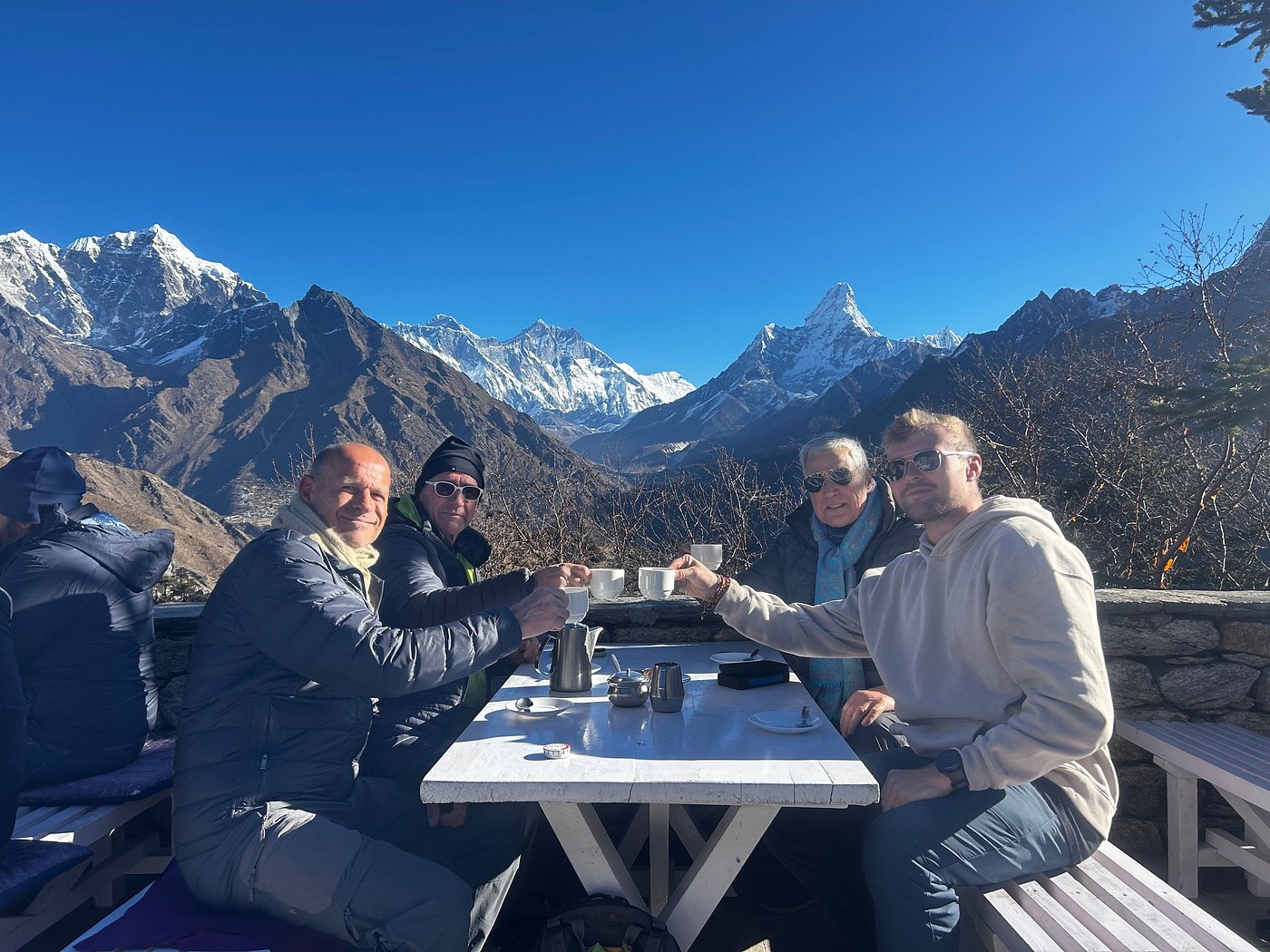
Today after breakfast with our bag ready we will start our hike towards Phortse Tenga. On the way, we will be able to see a good panorama view of the mountains like Everest, Amadablam, and Thamserku in front of us. Passing a few Chorten and traversing villages we reach Dole through Phortse Tenga for overnight.
Trek Distance: 17 km / 10.56miles
Included meals: Breakfast, Lunch, Dinner
Day 07: Dole to Machhermo (4,470 m/14,665 ft)
Walking uphill and traversing places such as Dola, Kele, and Luza and witnessing views of Tabauche and Choletsea. We reach Machhermo and attend some prevention tips related to altitude sickness. Stay overnight at Machhermo.
Trek Distance: 10km / 6.213miles
Included meals: Breakfast, Lunch, Dinner
Day 08: Trek from Machhermo (4,470 m/14,665 ft) to Gokyo Lakes (4750 m)
After breakfast, Trekking on the zigzag trail with sandy edges reaches Gokyo Lake. Enjoy the awesome scenery and spend some time around the lovely Gokyo Lake. Admire the surrounding Mountain Vistas. Stay overnight at gokyo valley.
Trek Distance: 5.7 km/3.5 miles
Included meals: Breakfast, Lunch, Dinner
Day 09: Explore the Gokyo Lake and Gokyo Ri(5,357 m/17,575 ft)
An early morning trek to Gokyo Peak commences. The stunning views of Makalu, Everest, Cho Oyu, and Lhotse from the top. Take some snaps and descend following the same trail. Spend some time in the vicinity of Gokyo Lake. Stay overnight.
Included meals: Breakfast, Lunch, Dinner
Day 10: Trek from Gokyo Valley to Dole (4200 m)
After breakfast in the Gokyo lakes, the trail leads back to the Sherpa village of Dole via the villages of Pangla, Machhermo, Luza, and Lhabarma. Stay overnight.
Trek Distance: 11.9 km/7.389miles
Included meals: Breakfast, Lunch, Dinner
Day 11: Trek from Dole to Khumjung(3,790 m/12,434 ft)
Leave Dole and trek to Khumjung village for overnight stay. The trail is peaceful and has great views of the mountains. You will pass small villages and see the everyday life of the locals. You get to explore one of the oldest monasteries of Khumbu region, which is in Khumjung village.
Trek Distance: 9 km/5.5 miles
Included meals: Breakfast, Lunch, Dinner
Day 12: Trek from Khumjung to Monjo(2,835 m/9,301 ft)
From Khumjung monastery you will trek to Syangboche Airstrip. This trail has excellent views of the mountains. On your way you will also be able to visit the Thamel village and discover the ancient Thame monastery. Soon you will be at Namche Bazaar. From here the trail drops steeply through lush forest to Monjo.
Trek Distance: 11.5 km/7.14 miles
Included meals: Breakfast, Lunch, Dinner
Day 13: Trek from Monjo(2,835 m/9,301 ft) to Lukla
The walk from Monjo (2,835m) to Lukla (2,860m) usually marks the final walking day of the Gokyo Valley trek, taking about 3.5 to 5 hours to cover about 13 km. A more relaxed route, descending and mostly flat, which follows the Dudh Koshi River passing through small villages like Phakding and Ghat offers a relaxed end to the journey
Trek Distance: 13 km/8.073 miles
Included meals: Breakfast, Lunch, Dinner
Day 14: Flight from Lukla to Kathmandu
A final goodbye to the Everest region and return to Kathmandu on a Lukla flight. Later, join us for a farewell dinner. Stay overnight at a hotel.
Included meals: Breakfast
Day 15: Departure Day
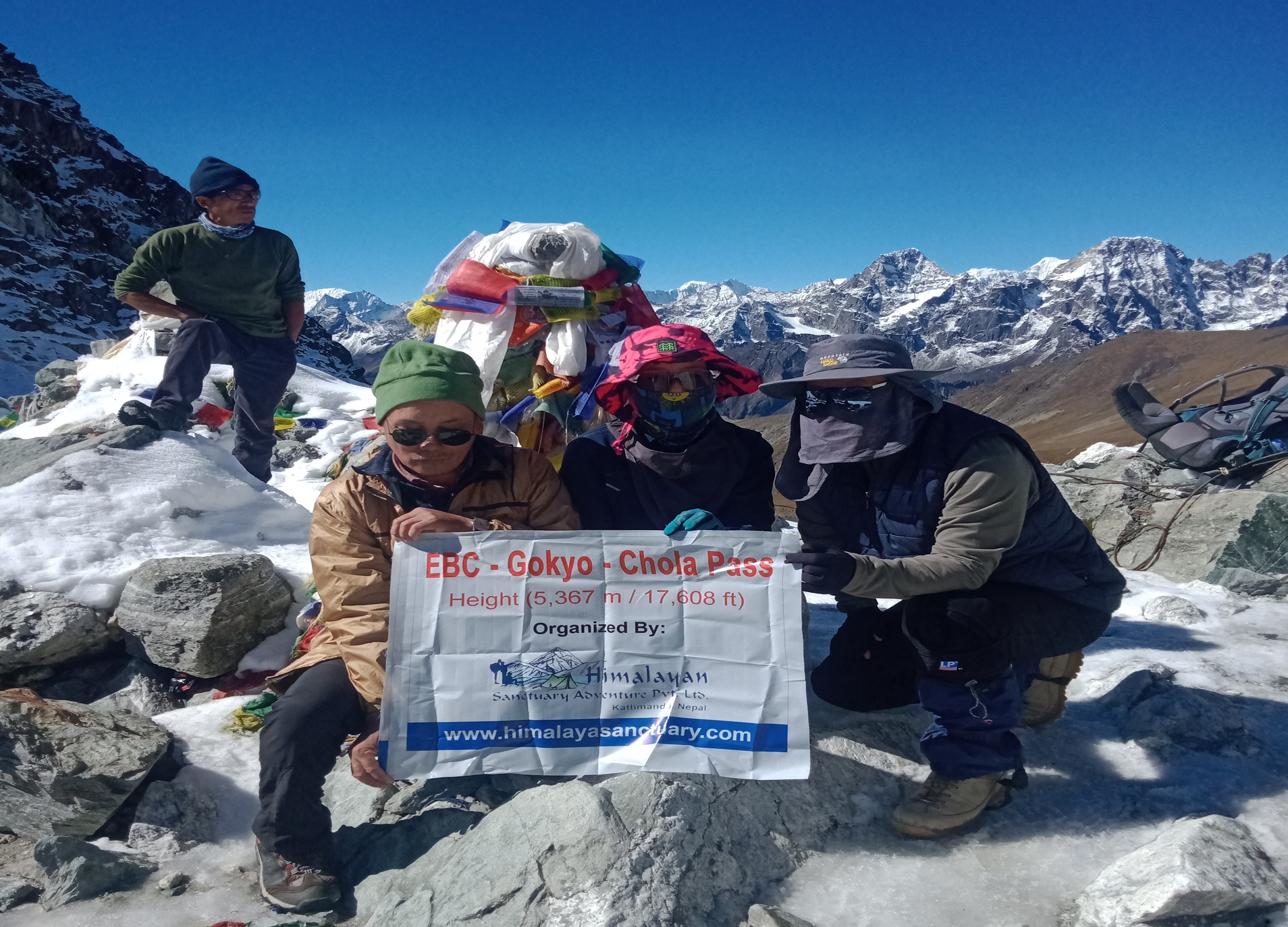
You departed to the International Airport from the HSA representative. With some exciting stories and wonderful memories from the Himalayas, the Gokyo Valley Trek with Himalayan Sanctuary remains with you forever.
What’s Included
- Airport pick-ups and drops
- 3-Star Category Hotel in Kathmandu including Breakfast
- Teahouse Accommodation including Breakfast, lunch, and Dinner during the trek
- Domestic flights (Kathmandu – Lukla – Kathmandu)
- Sightseeing at Kathmandu world heritage site
- An experienced, English-speaking, and government-licensed trekking guide.
- Himalayan Sanctuary Adventure Duffel Bag
- Porter service (1 porter will be provided for 2 Trekkers )
- Staff costs including their salary, insurance, equipment, domestic airfare, food, and accommodation
- All necessary paperwork and trekking permits (National Park Permit, TIMS)
- Medical kit (carried by your trek leader)
- All government and local taxes
What’s Excluded
- Nepalese visa fee
- Excess baggage charge(s)
- Tour Guide and entrance Fees for Sightseeing
- Extra night accommodation in Kathmandu because of early arrival, late departure, or early return from the mountain (due to any reason) than the scheduled itinerary
- Lunch and dinner in Kathmandu (and also in the case of early return from Trekking than the scheduled itinerary)
- International flights
- Travel and rescue insurance
- Personal expenses (phone calls, laundry, Tea, Coffee, bar bills, battery recharge, extra porters, bottle or boiled water, Hot shower, etc.)
- Tips for guide(s), porter(s) and driver(s)
The following gives you only a general idea of the personal items that we suggest you bring for the trek. The personal items are of individual interest and choice. The most important fact that one should keep in mind is that one should have enough clothes to tackle the cold weather in the Himalayas. you can also shop or hire at a reasonable price at stores in Thamel, Kathmandu.
01 . Good wind/rain jacket
02 . Warm fleece jacket or jersey
03 . Good boots, either light-weight trekking boots or light full leather boots
04 . Good -20 Sleeping bag (which can be rented or bought in Kathmandu)
05 . A comfortable day pack, preferably with a waistband.
06 . Fleece jacket or pullover or Fleece Wind-Stopper jacket
07 . Waterproof (preferably breathable fabric) shell jacket
08 . Down vest and/or jacket (optional)
09 . Lightweight gloves 10. Heavyweight gloves or mittens with a waterproof shell outer
11 . Sun hat or scarf
12 . Light balaclava or warm fleece hat
13 . Sunglasses with UV protection
14. T-shirts, Underwear, Hiking shorts, Lightweight cotton long pants, Fleece or wool pants, Waterproof (preferably breathable fabric) shell pants, Thin, lightweight inner socks
15 . Thick, warm wool hiking socks , Hiking boots with spare laces, and Camp shoes (sneakers and/or sandals)
16, Other necessary equipment,
- Headlamp (e.g. Petzl Zoom) with spare bulbs and batteries, Small pad or combination lock-to-lock trek bag
- Basic First Aid Kit
- Large plastic bags – for keeping items dry inside trek bag,
- Day pack (approximately 2500 to 3000 cubic inches),
- Water bottles (2 bottles recommended),
- Toiletries,
- Small wash towel.
1. Will somebody come to pick me up ?
Our representative from Himalayan Sanctuary Adventure will pick you up from Tribhuvan International Airport in Kathmandu.
2. What sort of accommodation can I expect in trekking ?
Normal teahouses/lodges will be provided along the trekking routes in the mountains. The lodges in trekking routes usually provide single and double rooms. At times when possible, dining will be around a bonfire. In tea houses, food will be prepared in the kitchen which you should not enter without permission. In most the place you will have to use a common toilet and bathroom. (depend on the Season)
3. Is it possible to swap my accommodation from a mountain guesthouse to a hotel in Kathmandu ?
Substituting the accommodation or swapping from the mountain guest house to Kathmandu is not possible. We only provide 3 nights’ accommodation in Kathmandu included in the package. In case of flight cancellation or early arrival to Kathmandu due to any sickness in the mountain or any of your reason or due to bad weather and you are unable to continue the trek, you will need an extra night’s accommodation/s in Kathmandu. We can make these arrangements for a supplemental charge.
4. Is it possible to reserve a trip now and pay a deposit later or do I Have to pay a deposit at booking/reservation ?
Yes! The trip will be confirmed only when we receive the completed final booking form and a 30% deposit payment. You can pay the balance of the money when you arrive in Kathmandu.
5. Is there a possibility of getting separate rooms for the trip ?
During the trek, we will try our best but normally the lodges have twin-sharing and dormitory-styled rooms instead of a single room.
6. Is this a guaranteed departure even if I am alone starting in the requested trip ?
Yes, all our trips are guaranteed to run. We never cancel the trip due to not having enough participants, we can arrange the trip for one person as well.
7. When I pay the remainder of the money on arrival in Kathmandu, how do you take that money ? US cash or credit card ?
You can clear the remainder of the money upon your arrival in Kathmandu or even before you arrive in Kathmandu. You can use USD, Euro, Pound, Canadian Dollar, Swiss franc in cash, Master, or Visa cards for the payment options. There will be a 4% bank levy when paying by credit card.
8. What sort of food can I expect in trekking ?
Most teahouses (lodges) in Everest Base Camp trails cook a delicious range of mostly vegetarian fare. Pasta, tuna bakes, noodles, potatoes, eggs, daal Bhat (rice and lentils), bread, soup, fresh vegetables (variety depends on the season), and even some desserts like apple pies, pancakes, and some interesting attempts at custard. You will find a lot of garlic on the menu because it assists with acclimatization – eat some every day. In many larger villages, you may find some meat items on the menu. You can always get hot chocolate, tea, and hot lemon drinks, as well as soft drinks, and treats like chocolate and crisps.
9. Is the food in the mountain prepared to international standards in terms of safety ?
YES, the food is very safe during the trekking but we recommend you to eat vegetarian and local food. Please follow the suggestion of our guide on the trek.
Altitude sickness doesn’t care how fit you are. It doesn’t care if you have done this before. It hits first timers and seasoned trekkers alike and in the the mountains, being unprepared can cost you the entire trip.
You have put together the most complete guide to acute mountain sickness(AMS) so you exatly what to watch for, how to respond and how to prevent it before it starts.
What is Altitude Sickness
When you ascend up quickly your body doesn’t get enough to time to adjust to lower oxygenlevels. This is called Acute mountain Sickness(AMS)
- Brain and Lungs stugle with less oxygen
- Starts as low as 2500m above sea level
- Affects all trekkers regardless of fitneness level.
Here’s what’s inside
- What is altitude sickness and how it happens
- What is the early symptoms most trekkers ignore
- The Three severity level AMS, HACE, HAPE
- Golden Rule: Climb High, Sleep Low
- Prevention Tips before you even hit the trail
- Guide what to do if hits you
- How wildfloc builds safety into every trek plan
Stop, Rest, Do not Push on
- The Moment system appear just to respond Calmly and Correctly
- Rest and Hydrate
- Mild AMS often recover in 12 to 24 hours
- Descend 3 to 5 hundred meters if no improvement seen
Before you Start
- Spend 1, 2 days at an intermediate altitude before going up
- Avoid Alcohol and Sleeping pills
- Eat light, Carbohydrate reach meals at high altitude
- Consult a doctor about Diamox before the Trek for High Altitude
- Drink 3, 4 liters of water daily
- Fitness does not protect you so Respect Altitude
3 Level you Must Know
- AMS: Headache, fatigue, Nausea, Rest and Hydrate do not ascend faster and Further
- HACE: Brain Swelling, Confusion, Loss of Coordination, Descend Immediately
- HAPE: Fluid in Lungs, Extreme Breathlessness, prink frothy cough, life threatening
How to know AMS is starting
- Headache
- Lethargy
- A drop in performance
- Loose of motion
- Insomnia
- Appetite loss
- Dizziness
- Nausea
- Vomiting
Preventive measures for Altitude Sickness are:
- Stretch and warm up before trekking.
- Stay hydrated with regular water intake.
- Ascend gradually and rest well.
- Avoid salt, alcohol, and smoking.
- Urinate frequently.
- Descend if feeling unwell.
- Consult guides for medicine
| Start Date | End Date | Price in USD | Availability | Booking | Note |
|---|
Avabillity Options
OPEN: This date is available and open for bookings. Go for it!
GUARANTEED: Guaranteed departure. Seat Available.
LIMITED: Guaranteed departure, Limited seat. You can send booking request for availability.
FULL:This date is currently unavailable. Please contact us if you are interested in traveling on this date.