140989/2072/073


A lifetime memorable experience for travelers to witness the breathtaking views of the world’s highest mountain sceneries. The journey to the base camp trek is full of an impressive landscape, beautiful peaks and glaciers, ancient monasteries, and snow-capped mountains.
In order to make your trip as safe and pleasurable as possible, we’ll examine the typical challenges faced during the Everest Base Camp Trek in this guide and offer solutions.
Altitude is the main obstacle on the Everest Base Camp Trek. The oxygen content drops dramatically as the trail climbs to an impressive 5,364 meters (17,598 feet)
What are the symptoms of Acute Mountain sickness(AMS) ?
How can I Avoid Mountain Sickness While Trekking In Nepal ?
Physical Fitness
The Everest Base Camp Trek entails trekking for five to seven hours every day over rough terrain with steep ascents and descents, but it does not involve technical climbing. Fatigue and injuries may result from inadequate physical preparation.
How to Cope It:
At least two to three months prior to your trek, start training. Prioritize strength training, cardiovascular exercises, and weighted backpack hiking.
To improve your balance and endurance, try walking on uneven terrain.
To increase flexibility and lessen muscle soreness, stretch frequently.
Conditions of the Weather
The Everest region is known for its erratic weather. Trekkers may be at risk when trails become slick and visibility is poor due to snow, rain, or dense fog. Delays may also result from flights to and from Lukla being canceled due to severe weather.
Time Limitations
Depending on your preferred schedule, the Everest Base Camp Trek normally takes 12–14 days to complete. The length of the trek may be increased by delays brought on by acclimatization requirements, inclement weather, or medical conditions. Many hikers who are pressed for time find it difficult to adapt.
How to Get Past It: Pick a sensible schedule that incorporates days for acclimatization.
To save time, think about alternatives like returning from Gorak Shep by helicopter.
To account for possible delays, reserve flights to Lukla with buffer days.
Health Concerns
High altitudes can exacerbate pre-existing medical conditions, such as heart or respiratory issues. Dehydration and respiratory discomfort can also result from the dry, cold air.
How to Overcome: To determine your suitability for high-altitude trekking, speak with a doctor prior to the trip.
Keep a first aid kit and any necessary prescriptions with you.
To shield your lungs from cold air, put on a mask or scarf.
Mental Difficulties
Altitude effects, loneliness, and physical strain can all have a negative impact on mental health. It can be intimidating to trek for days on end with little or no connectivity.
How to Overcome: Remain upbeat and concentrate on the fulfilling experience of arriving at Base Camp.
To keep spirits up, trek with a supportive group or employ a knowledgeable guide.
To maintain your composure, engage in breathing techniques and mindfulness.
Problems with Logistics
It is frequently necessary to take a flight from Kathmandu to the trailhead at Lukla. Trekking schedules are disrupted by the frequent cancellations or delays of these flights due to inclement weather.
The solution is to schedule flights for early in the morning, when the weather is typically more consistent.
Be ready for other options, like traveling by car to Phaplu and then hiking.
To handle logistics with ease, collaborate with a trustworthy trekking company such as Himalayan Sanctuary Adventure
How to Make Your Trek to Base Camp Trek Successful ?
Although the Base Camp Trek is undoubtedly difficult, most adventurers can complete it with the correct planning. You can make your trip memorable, pleasurable, and safe by taking care of the possible roadblocks mentioned above.
This legendary journey offers stunning scenery, cultural diversity, and a deep sense of accomplishment, regardless of your level of experience. Take the first step toward achieving your goal of trekking to Everest Base Camp by beginning your planning now.
Lodges or teahouses with basic facilities such as beds, blankets, and pillows are accommodation types during the Base Camp Trek. The availability of attached bathrooms is there in the lower regions only. As you go higher, the bathrooms are outside the teahouses. The additional facilities like using Wi-Fi, charging electronic devices, laundry, hot shower, etc. Need to pay an extra.
The 3-course full-board meals are provided during the Base Camp Trek. Meals options are limited but Dal-Bhat is the primary option.
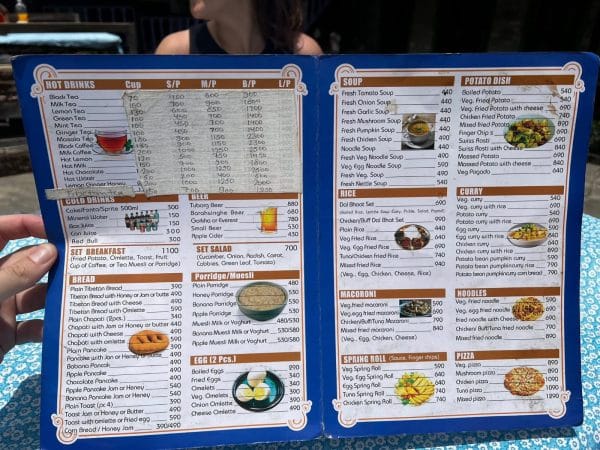
In Lower Places here will be Bottled water, and if you go higher there will be option either Tap water, and boiled water for drinking water during the Everest Base Camp Trek. Pay an extra cost for drinking or boiled water at teahouses or lodges or buy bottled water as a preference. For safe drinking water, carry water purification kits and a water bottle for ease.
Internet and Phone networks during the Everest Base Camp Treks are stable mostly in the lower regions. In the higher regions, networks are unstable. For the use of Wi-Fi, pay an additional cost at teahouses.
Everest Base Camp Trek FAQ
Spring (Mar – May) and Autumn (Sep-Nov) are the best seasons for the Everest Base Camp Trek. The clear weather, stable temperatures, awesome panoramic vistas, and comfortable trekking trails make these seasons ideal for this trek.
The rainy (Jun – Aug) and winter (Dec – Feb) seasons are not ideal due to unpredictable and unstable weather and temperature. The trekking trails are slippery, muddy, or snowy, and the availability of accommodations is limited
Although trekking to Base Camp can be done on your own, it is advised to hire a local guide or join a trekking group for safety, navigation, and to improve your experience with support and local knowledge.
They are crucial for preserving the hydrology and local environment.
The Himalayan tahr, the Himalayan monal (a colorful pheasant), and other high-altitude birds are among the species of wildlife that can be found on the way to EBC. Smaller mammals can also be found in the area, and snow leopards are occasionally spotted there.
Below equipment list is only a guideline. you can choose from your preferred brands using your expertise. You can also shop the below equipment and clothing at a reasonable price at stores in Thamel, Kathmandu. The personal items are of individual interest and choice. The most important fact that one should keep in mind is that one should have enough clothes to tackle the cold weather in the Himalayas.
Hand
Core Body
Lower Body – Legs
Feet
Other Essential
Medicines and First Aid Kit
Optional
What Makes HSA the Best Trekking Company in Nepal ?
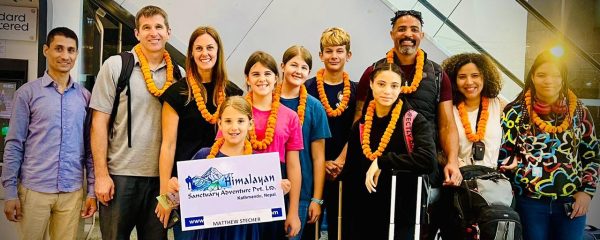
For almost ten years, Himalayan Sanctuary Adventure has been one of the best trekking company in Nepal and organizing treks around Nepal as a tour and trekking organization. For nine years in a row, it has been awarded Trip Advisor awards of excellence. We have received the best possible Trip Advisor rating from 99% of over 160 reviewers and 48 reviews on Tourradar
Similarly, over 88 reviews in Google, we continue to hold the top ranking (5.0) on Google. The rating for our Facebook Page is five out of five and 5 out of 5 from Trustpilot. With so many people, we are certain that nothing can go wrong. You may be wondering how we ensure that every trekker receives the best treatment possible. We take many steps to guarantee the security and contentment of our esteemed customers. We truly think that the world is a large family and that everyone should be treated with dignity and respect, thus we treat all of our valued clients as if they were members of our own family.
As a member of the Himalayan Sanctuary Adventure family, we make sure to assist, encourage, and mentor potential clients at every stage of the journey, from their arrival in Kathmandu to their return to their home country. To help you unwind and worry-free, we can assist you with lodging, luggage storage, insurance purchases, and airport transportation. Perhaps this is one of the reasons that 60% of our customers are either return customers or referrals from satisfied past customers.
Himalayan Sanctuary Adventure as Company
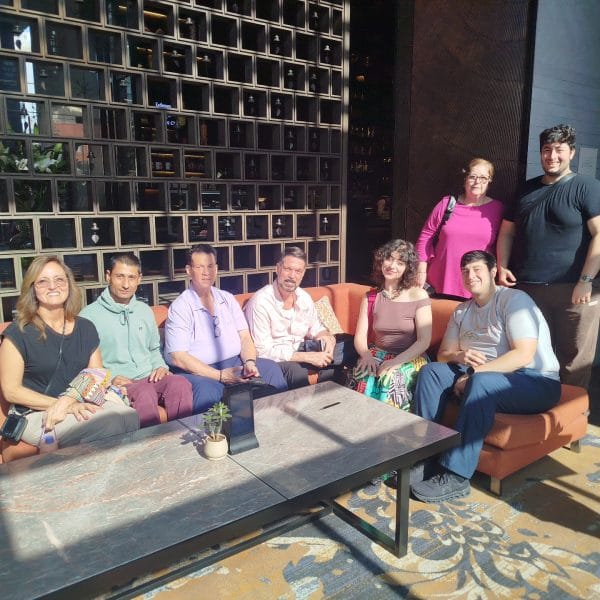
Himalayan Sanctuary Adventure (HSA) is a privately owned Travel and Trekking Management Company founded in 2015, serving both the corporate and leisure traveler. Our head office is located in Kathmandu, and we strive to offer excellent travel and trekking experiences year-round, at a reasonable cost. HSA is a member of the Trekking Agencies Association of Nepal (TAAN), Village Tourism Promotion Forum Nepal (VITOF) and Tourism Industry Division.
We offer everyone the opportunity to discover and appreciate the beauty and challenge of our breathtaking Himalayan mountains. From Classic trekking programs to wild and exciting journeys in the remote and untamed regions within and beyond Nepal, we welcome visitors from all over the world to share our home, traditions and hospitality.
Benefit of Cho0sing Himalayan Sanctuary Adventure
What Customer’s Says
If you are looking for one of the Best Trekking Company in Nepal to Organize your upcoming Adventure Plan Himalayan Sanctuary Adventure might be the best Choice.