140989/2072/073


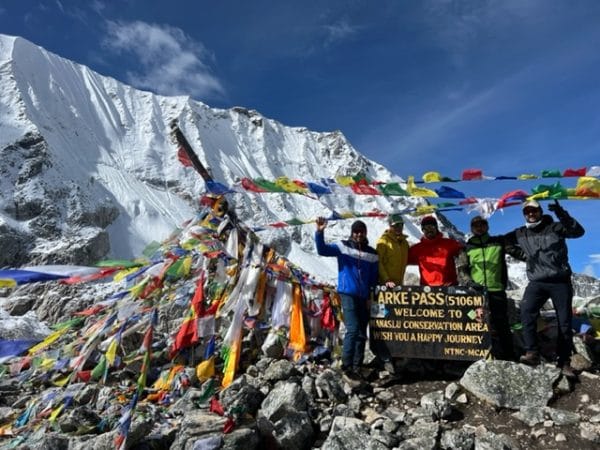
The symptoms often appear 6–24 hours after the ascent. High Altitude Cerebral Edema (HACE) or High Altitude Pulmonary Edema (HAPE) can develop from moderate Acute Mountain Sickness (AMS) if left untreated. Both are serious illnesses that require medical attention right away.
Climb gradually to reduce the chance of altitude sickness.
Don’t travel long distances in one day. Give your body time to adjust. Stay away from alcohol and drink lots of water. Eat enough carbohydrates to keep you going. Have faith in your body. If you have any symptoms, stop climbing. If they are more intense, descend or rest. If the symptoms of altitude sickness worsen, quickly descend at least 500–1,000 meters. If a doctor prescribes Diamox (acetazolamide), take it. In dire circumstances, call for an immediate evacuation. Evacuation via helicopter is possible, however it depends on the weather. If they take measures, the majority of hikers finish the journey without experiencing altitude sickness.
To prevent altitude sickness, acclimate properly, climb slowly, and exercise caution. Always let your tour leader or guide know when you’re feeling ill. Serious repercussions can be avoided by acting early.
10 Fact that trigger Altitude sickness
1. Quick Ascending
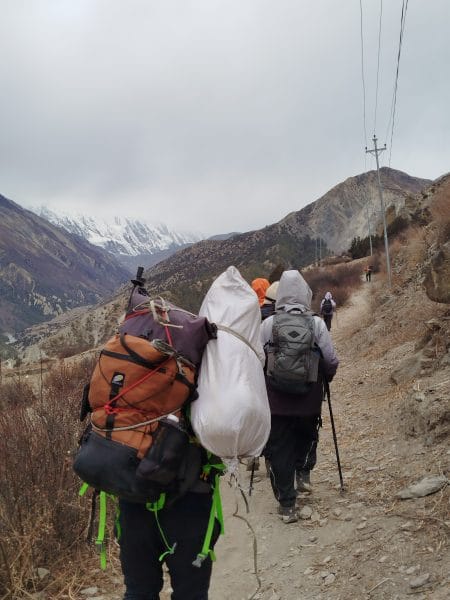
Acute Mountain Sickness (AMS) is more likely to develop if you rise too quickly. The 1,500-meter ascent on the trail doesn’t give much time for acclimatization. Skipping overnight stays, which are natural acclimatization points, is an omission error. Over 3,000 meters, rushing produces severe symptoms. Regular pauses and steady pace, together with gradual approaches, greatly lower risk. Observe the maxim “Climb high, sleep low,” and avoid increasing your sleeping altitude above 2,500 meters by more than 500 meters each day.
2. Skip Acclimatization
It is vital to acclimate after crossing 2,500 meters. Acclimatization is avoided by most. Gaining altitude slowly is necessary. Even acclimatization at night gives the body additional time to adjust. Guides often recommend a slow ascent with overnight sites that are less than 3,500 meters. Take note: AMS has the potential to ruin or postpone your summit attempt.
3. Not Drinking Enough Water
Dehydration exacerbates AMS symptoms. Water needs are frequently underestimated by trekkers, particularly over 2,500 meters. People drink less water at colder elevations because they are less thirsty. However, more fluid is needed to dehydrate dry air and effort. lethargy and headaches are frequently caused by dehydration rather than altitude. Aim for 3–4 liters of fluids every day and have a bottle with you. In lodges, stay away from caffeinated beverages and instead use electrolyte solution, herbal tea, or warm water.
4. Going Above and Beyond
The body becomes exhausted and loses its capacity to adjust to height when you push yourself too far on steep slopes. A tired body is unable to adjust. Too many long days cause burnout when you first arrive. Divide your days sensibly. If necessary, include buffer days. Your body can gradually acclimate to shorter trekking durations at a steady pace, reducing the likelihood of AMS.
5. Ignoring Warning Indications
Minor symptoms like headache, exhaustion, or appetite loss are usually the first signs of AMS. Because they believe it to be typical fatigue, most people ignore them. The progression of the symptoms might happen quite quickly. AMS can proceed quickly and without warning. Always let your guide or teahouse owner know about your condition and descend or rest if you have symptoms above 2,500 meters.
6. Getting More Sleep Than Is Advisable
AMS is more affected by sleep altitude than by day altitude. Trekkers who ascend without acclimating are likely to experience discomfort. Go down to sleep at a lower location even if you get to a higher point. To allow for healing, abide by the “sleep low” rule. Give proper nightly altitude gain setup top priority, particularly above 3,000 meters.
7. Smoking or Drinking alcohol
Smoking and alcohol use aggravate AMS and decrease oxygen intake. Drinking alcohol while trekking aggravates dehydration, interferes with sleep, and lessens the symptoms of AMS. Steer clear of smoke and alcohol above 2,500 meters. After the walk, have a party. To adapt to the altitude, your body requires pure air and water, not poison.
8. Donning Unsuitable Clothes
Trekkers overdress and only bring light coats because of the frigid temperatures at night. The body is stressed by hypothermia and cold, which prevents acclimatization. Employ the foundation, insulate, and outer cover layers strategy. It is necessary to wear thermal socks, caps, and gloves. Your body can concentrate on adapting to altitude rather than battling the cold when you wear layers of warm, dry clothing. Your susceptibility to AMS and discomfort in high-altitude areas is increased by inadequate equipment.
9. Not Eating
Reduced intake slows acclimation and has an impact on energy levels. Over 3,000 meters, some people lose their appetite. Calories maintain oxygen flow, warmth, and vitality. Simple meals like garlic soup or dal bhat make a big difference. If your hunger wanes, force yourself to take tiny bites. Don’t completely miss meals. Acclimatization is fueled by proper nutrition. Stock up on trailside goodies like energy bars, glucose pills, or almonds.
10. Hiking Without Injuring Yourself
Being in tune with oneself is necessary for altitude. It’s dangerous to push through discomfort, deny exhaustion, or hide symptoms. Most people ignore minor symptoms due to time constraints or peer pressure.
Follow your body’s instructions to eat when you’re hungry, relax when you’re tired, and rest when you’re ill. There will still be the mountain. Your health comes first. Don’t compare your speed to others’, always speak up, and take breaks when needed.
Prevent from Being Altitude Sickness
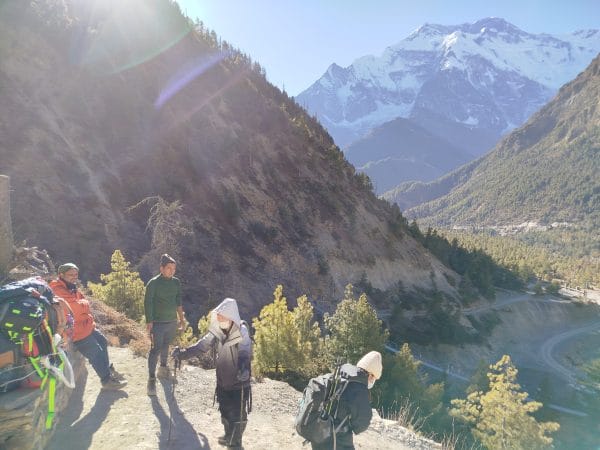
1. Ascend Gradually
2. Hydrate, Consistently
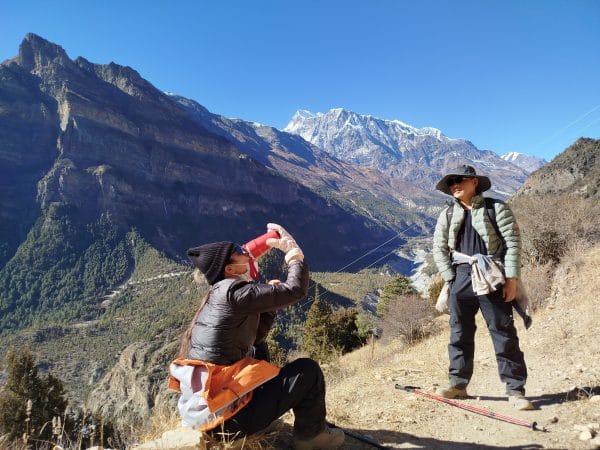
Why: Acute mountain sickness (AMS) is more likely to occur when you are dehydrated.
How: Drink three to four liters of water per day. Avoid coffee and alcohol, particularly after Bamboo (2,310 m).
For instance: Bring water bottles or a hydration bladder, and refill them at teahouses.
Important: Drinking water is an easy yet essential component of mountain safety.
3. Acclimatization at strategic location
Why: Taking a break allows your body to adjust without the strain of continuing to climb.
How: Take a day off or go for a quick hike up higher before going back to sleep. It is true that “climb high, sleep low” increases oxygen demand.
Important: Taking strategic breaks on the path has a significant impact on comfort and performance.
4. Pay Attention to Early altitude sickness Symptoms
Why: Serious illnesses like HAPE or HACE are avoided by early identification of AMS.
How: Take note of any headache, nausea, fatigue, or lightheadedness. If your symptoms get worse, stop climbing.
Important: It’s just as crucial to pay attention to your body as it is to follow the map.
5. Take a Break When You Can at Lower Altitudes
Why: At lower elevations, your body has a higher chance of recovering.
How: To enjoy the landscape and photos, start early and descend before sunset.
Important: Your risk of developing AMS is greatly decreased by a brief exposure to high altitude.
6. If advised, use Diamox as a preventative measure.
Because Diamox (acetazolamide) speeds up your breathing, it helps your body adjust.
How: 125 mg twice a day is the standard dosage. Take with food, and inform your doctor in advance.
7. Consume Adequate Carbohydrates for Energy and Adjustment
Why: At higher elevations, your body expends more oxygen and energy. This is controlled by carbs.
How: Consume chapati, noodles, cereal, or dal bhat. Never skip meals, especially if you’re feeling queasy or exhausted.
Important: Eating on your walk helps you acclimate and recover in addition to providing energy.
8. Prepare for Fatigue Caused by the Cold
Why: Because cold weather weakens your immune system and wears you out, it makes you more susceptible to AMS.
How: Make use of layering. Put on a water-resistant shell, insulating fleece, and base thermal. Cover your limbs.
Important: Maintaining your body’s warmth enables it to concentrate on altitude adaptation rather than temperature control.
9. Give Up Smoking and Alcohol Totally
Why: Nicotine and alcohol impair acclimation and decrease oxygen supply.
How: Adhere to liquid hydration, garlic soup, and warm tea.
Important: Maintaining sobriety throughout the voyage is a wise choice that will save your vitality and health.
10. When necessary, go back or descend.
How: If you’re not feeling well, descend 300–500 meters all at once. The symptoms are instantly alleviated by the decreased oxygen.
Himalayan Sanctuary Adventure Nepal always Concern for your Safety so we have 24 hours of Service for any kind of Support