140989/2072/073


As trekking in the Everest Trek region continues to evolve, travelers are no longer just asking which trek is more famous.
Understanding the Difference Between the Two Treks
Trekking to Everest Base Camp
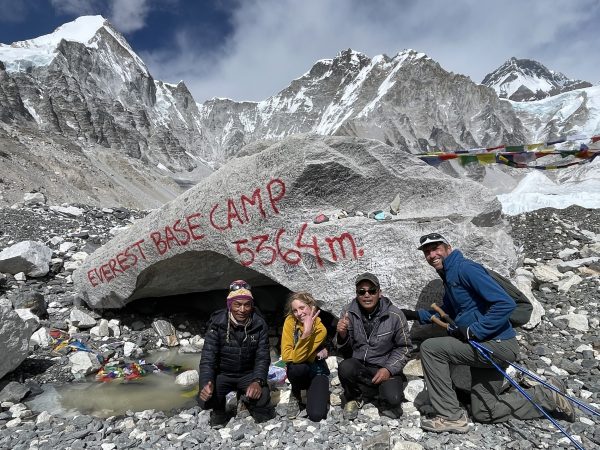
Everest Base Camp
The Everest Base Camp trek is still the most legendary trek in Nepal. For many travelers to visit the foot of Mount Everest is a life-time ambition and a great personal achievement.
The trek follows the classic Khumbu Valley route and passes through famous Sherpa villages such as Lukle, Phakding, Namche Bazaar, Tengboche, Dingboche, Lobuche, Gorak Shep and Everest Base Camp. Most trekkers also trek to Kala Patthar in the early morning to see the best panoramic sunrise view of Mount Everest.
The Everest Base Camp trail has a positive and international feel. During the main trekking seasons you meet trekkers from all over the world every single day. For the first-time visitor to Nepal, this route still provides the classic Himalayan experience people envisage before they arrive in the country.
In lower places there will be bottled water, and if you go higher, there will be the option of either tap water or boiled water for drinking water during the Everest Base Camp Trek. Pay an extra cost for drinking or boiled water at teahouses or lodges or buy bottled water as a preference. For safe drinking water, carry water purification kits and a water bottle for ease.
Internet and phone networks during the Everest Base Camp Trek are stable mostly in the lower regions. In the higher regions, networks are unstable. For the use of Wi-Fi, pay an additional cost at teahouses.
The highest elevation during Everest Base Camp Trek which lies at (5,555 m). Everest Base Camp Trek is difficult considering its ascends and descends, high elevations, daily long hours of walking, rough trails, and limited availability of teahouses or lodges. Also, the chances of getting altitude sickness are common. Thus, acclimatization rest is essential. With proper preparation, this trek is possible.
Altitude Sickness is common in the Everest Base Camp Trek. Altitude sickness doesn’t care how fit you are. It doesn’t care if you have done this before. It hits first-timers and seasoned trekkers alike and in the the mountains, being unprepared can cost you the entire trip.
You have put together the most complete guide to acute mountain sickness (AMS), so you exactly what to watch for, how to respond and how to prevent it before it starts.
What is Altitude Sickness
When you ascend up quickly your body doesn’t get enough to time to adjust to lower oxygen levels. This is called Acute mountain Sickness(AMS)
Here’s what’s inside
Stop, Rest, Do not Push on
Before you Start
3 Level you Must Know
How to know AMS is starting
Preventive measures for Altitude Sickness are:
How we keep you Safe
We build every trek plan around acclimatization first. You can wait to summit but can’t wait safety. So gradual trek plans with Acclimatization days. Years of experiences with deep mountain knowledge Guide. Emergency Oxygen and Evacuation Protocal on every Trek.
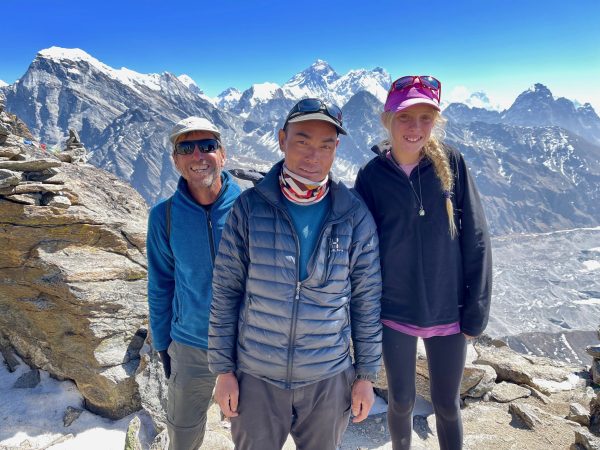
Fitness
Everest Base Camp Trek is demanding due to its challenging terrain, daily long hours of walking, high elevations, several ups and downs, and rugged trails. Thus, a strong fitness level is a key factor for this trek. Therefore, we recommend trekkers participate in physical exercises and short hikes for a few months, and necessary physical check-ups before commencing this trek.
Travel Insurance is a safety tool for trekking in the mountains. It should cover all emergencies including medical costs, loss of goods, flight delays, evacuation, and high elevations above 5000 m. getting travel insurance is beneficial. Please Check out FAQ for more information.
Guide and Porters are optional but for a comfortable trekking experience hiring a Guide and porter is the ideal decision. Our guides and porters are professional and have lots of experience in the mountains. Our team ensures trekkers’ safety as it is the top priority.
The required permits for Everest Base Camp Trek are as follows:
Below equipment list is only a guideline. you can choose from your preferred brands using your expertise. You can also shop the below equipment and clothing at a reasonable price at stores in Thamel, Kathmandu. The personal items are of individual interest and choice. The most important fact that one should keep in mind is that one should have enough clothes to tackle the cold weather in the Himalayas.
Upper Body – Head / Ears / Eyes
Hand
Core Body
Lower Body – Legs
Feet
Other Essential
Medicines and First Aid Kit
Optional
Fitness Level: This Trip Requires you to be in Good Health with Physically Fitness.
Trek to Gokyo Lakes
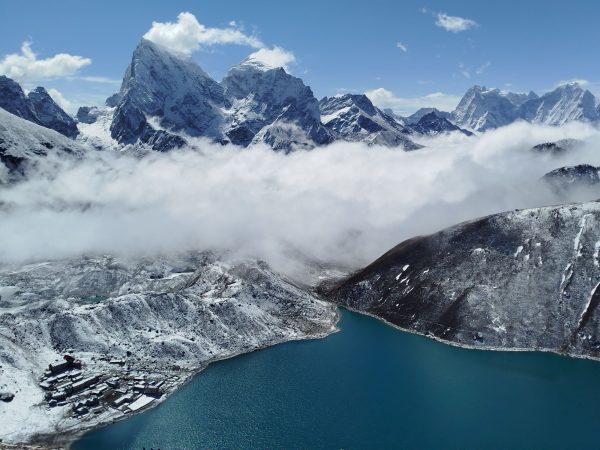
Gokyo Lake
The Gokyo Lakes Trek splits from the main Everest trail after Namche Bazaar and heads into the quieter Gokyo Valley. Rather than taking the busy route to Everest Base Camp, trekkers pass through smaller settlements such as Dole, Machhermo and Gokyo.
The trek takes you to beautiful Gokyo Lakes – a series of turquoise glacial lakes flanked by snow-covered Himalayan giants. The main viewpoint is Gokyo Ri, one of the best panoramic viewpoints anywhere in Nepal.
Coming here from Everest Base Camp, the atmosphere seems calmer, less commercialized, and more natural. Many trekkers who have already done Everest Base Camp come back to Nepal just to visit Gokyo.
Which Trek has Better Views of the Mountains ?
This is perhaps the most talked-about issue amongst trekkers in Nepal.
Everest Base Camp: Himalayan Drama Up Close
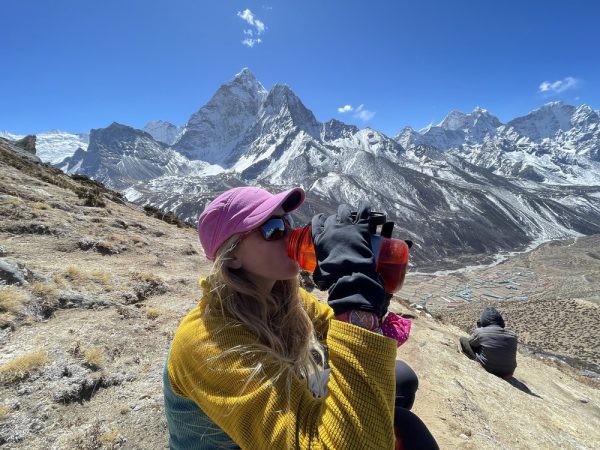
Hydrate
The Everest Base Camp trek is dramatic from start to finish with iconic mountain scenery. Highlights include Ama Dablam, Thamserku, Lhotse, Nuptse, Pumori, Khumbu Glacier and Khumbu Icefall. And of course, the emotion of being at Everest Base Camp itself.
Kala Patthar offers the best close-up view of Mount Everest. On a clear morning the sunrise view of Everest from Kala Patthar is unforgettable. However, after Dingboche, the terrain becomes increasingly rocky and barren. Some trekkers are surprised to find that the last leg towards Gorak Shep is more austere and less green than anticipated.
Gokyo Lakes: Wider, More Picturesque Scenery
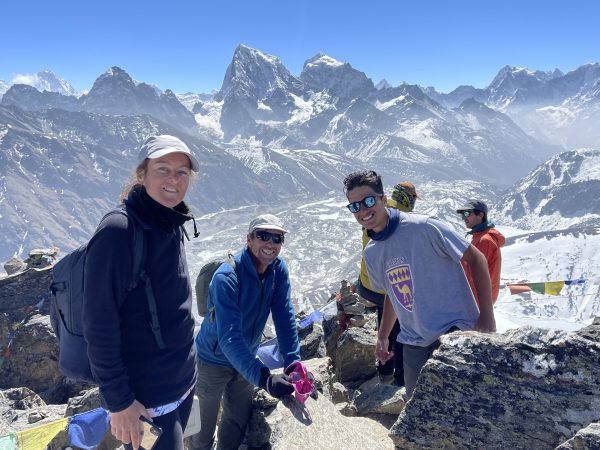
View from Gokyo Ri
The beauty of Gokyo route is of another kind. The landscape appears wider and more varied than focusing on Everest itself. Trekkers walk alongside glaciers, frozen streams, yak pastures and sparkling alpine lakes.
For many visitors, perhaps the biggest surprise is the view from Gokyo Ri. One panoramic viewpoint gives you a view of Everest, Cho Oyu, Makalu and Lhotse on a clear day.
Many of Nepal’s experienced trekking guides privately admit that the view from Gokyo Ri is actually more scenic than from Kala Patthar, because the perspective seems wider and less crowded. Gokyo often impresses more to the photographers and nature lovers.
You should know before making plans for Spring and autumn:
This creates a thrilling atmosphere for some trekkers. For some, it takes away from the feeling of wilderness.
Gokyo Lakes: A Peaceful Alternative
Still, far fewer trekkers opt for the Gokyo route. Sometimes you might walk for long stretches with only a few other groups on the trail. The villages seem more peaceful and the pace of trekking is slower and more relaxed.
Gokyo is a popular among trekkers who love solitude, photography or serene mountain settings. This quieter atmosphere is one of the biggest reasons Gokyo Lakes is becoming more popular with seasoned travellers in 2026.
Challenges and Acclimatization
Both treks are strenuous but can be done by reasonably fit trekkers. Neither trek involves any technical climbing.
Everest Base Camp Difficulty Level
Everest Base Camp Trek is a long trek with high altitude, cold temperatures and thin air above 5000 meters.
The greatest challenge is altitude acclimatization. Some trekkers underestimate how tough the last days near Gorak Shep can be every season. Even just walking is slow at that altitude. On the positive side, the route is well developed with plenty of opportunities to acclimatize.
Gokyo Lakes Difficulty Level
The Gokyo Trek is a little less demanding in terms of maximum altitude, but some sections are steeper and more remote. Our experience suggests that many trekkers acclimatize better on the Gokyo route, as the elevation gain feels more gradual and less rushed.
But weather may be more of a factor in trail conditions, particularly in early spring or winter.
Accommodation and Foods
Everest Base Camp Trek
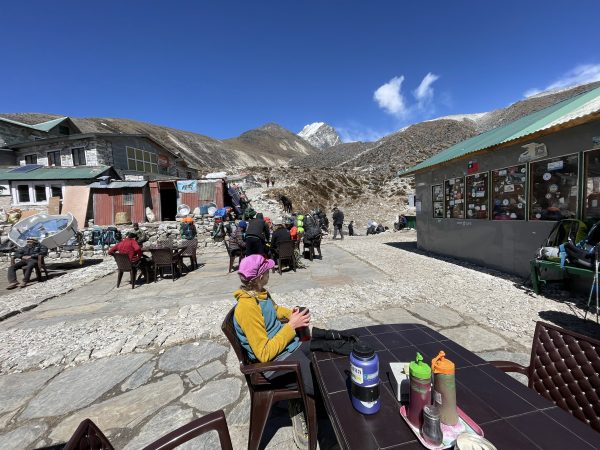
Lodge In Everest Trek
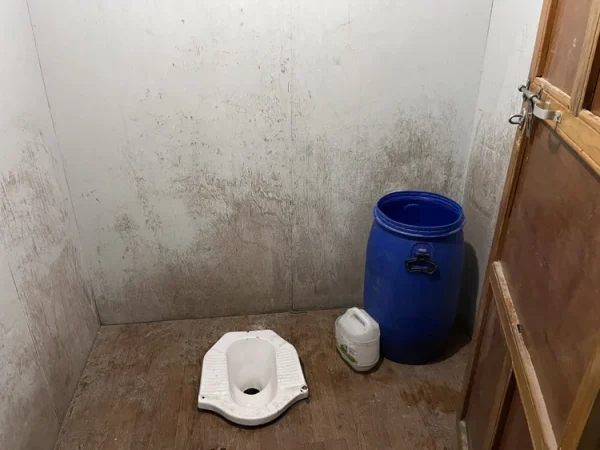
Bathroom in Teahouse/Lodge
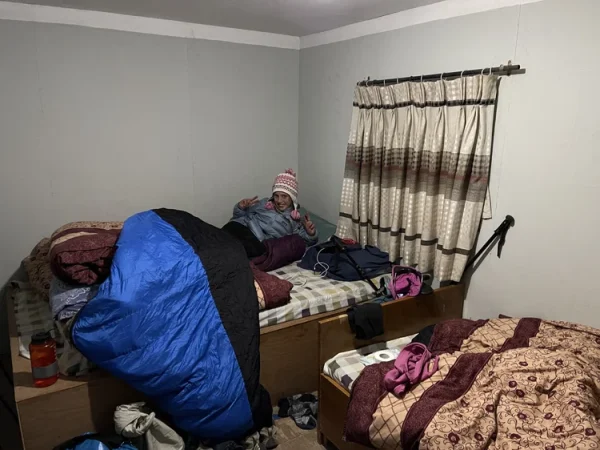
Accommodation in Everest Trek
The Everest Base Camp trail is very popular and thus has more teahouses, better bakery cafes, better Wi-Fi, more charging and more food variety.
“The infrastructure has improved tremendously in the past decade. Some villages have luxury lodges as well.
Accommodation and Meals in Gokyo Lakes Trekking Route
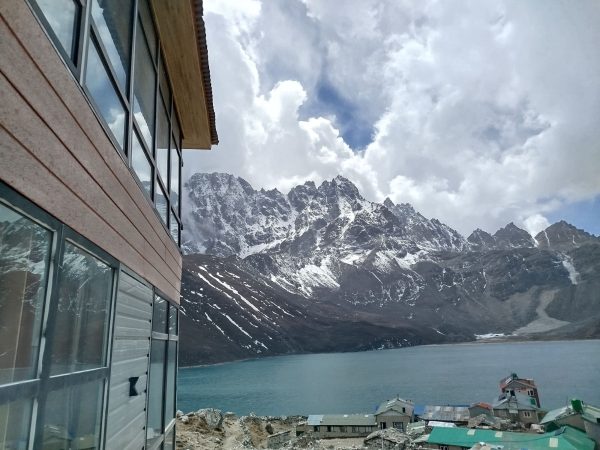
Accommodation in Gokyo Lakes
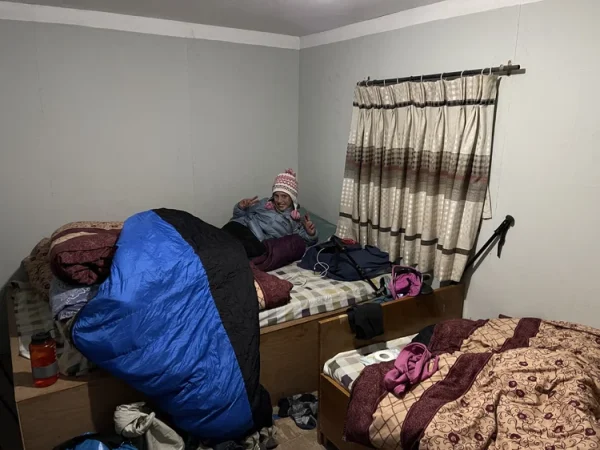
Room in Gokyo Valley Trek
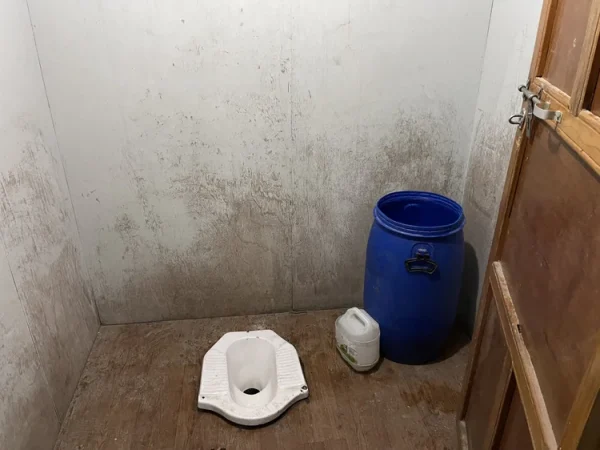
Bathroom in Teahouse/Lodge
Accommodation in Gokyo is generally more basic and quiet. The lodges feel more traditional, and the atmosphere is often more personal. The evenings in the smaller villages like Dole or Machhermo were quiet and less commercialized.
Foods and Drinks Menu
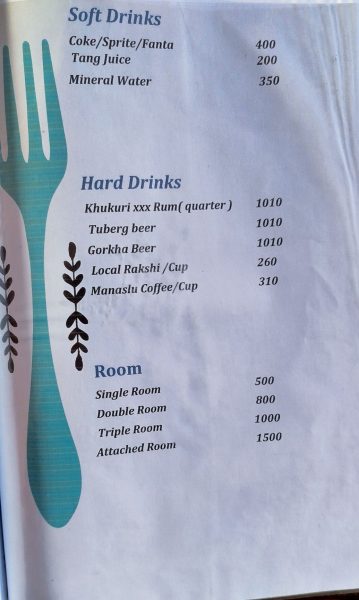
Drinks Menu
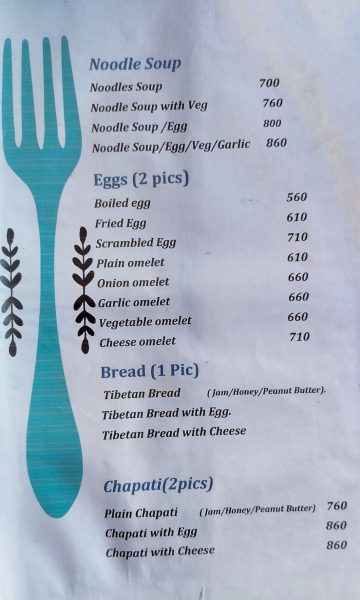
Breakfast Menu
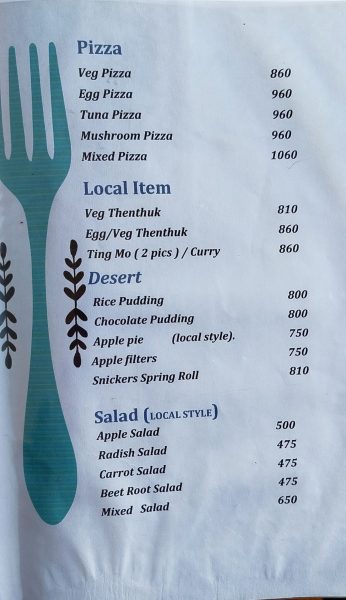
Lunch and Dinner Menu
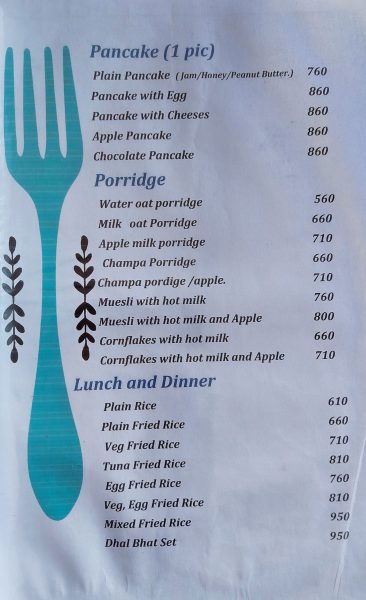
Breakfast Menu
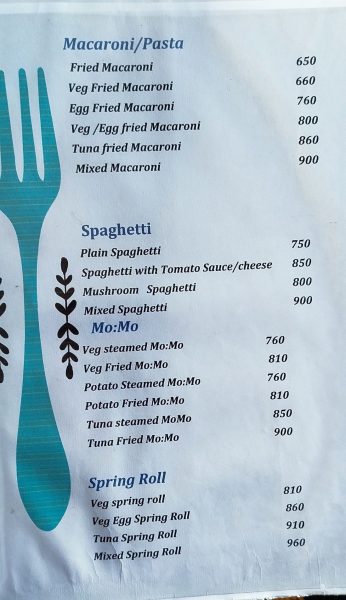
Lund and Dinner menu
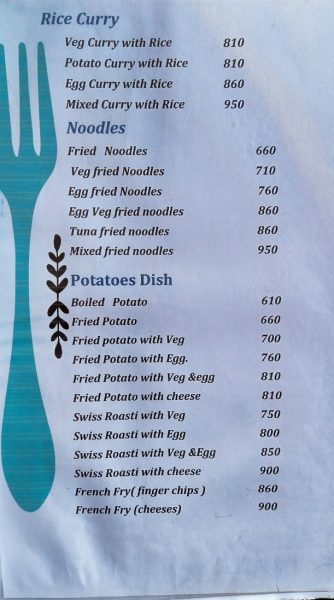
Lund and Dinner menu
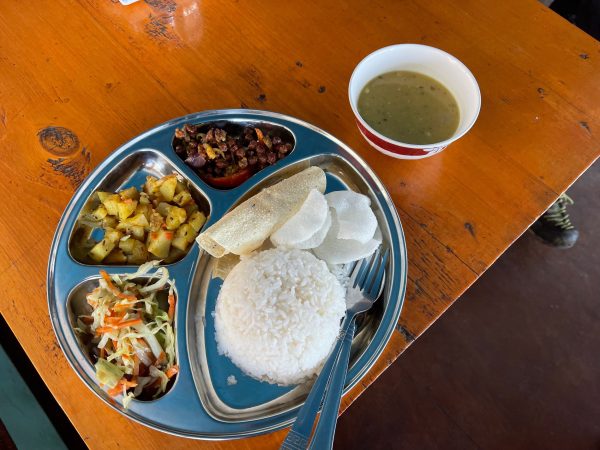
Nepali Food(Dal Bhat)
For trekkers who want to be social, Everest Base Camp may be more comfortable. Gokyo is usually more rewarding for trekkers looking for authenticity and tranquility. Trekers also combine Gokyo trek with Everest base Camp via Cho La Pass or Gokyo Trek via Everest Base Camp with Chola Pass(anti Clockwise) requires good fitness and careful acclimatization because it is more physically demanding and involves higher passes.
Best Time to Trek in 2026/2027
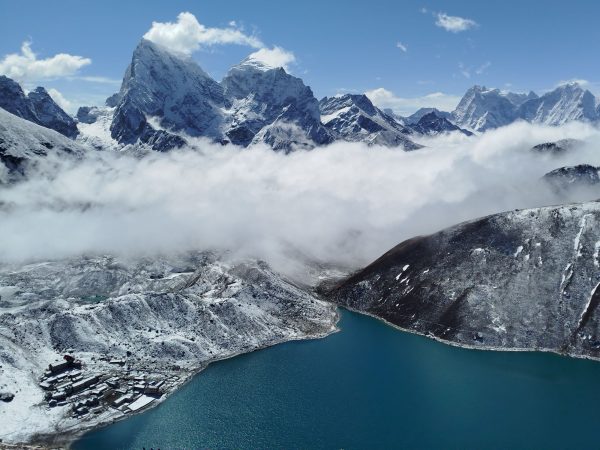
Views of Gokyo Lakes
Spring Season (March to May)
Autumn Season (September to November)
Which Trek is Better for First-Time Trekkers?
Can You Combine Both Treks?
Final Verdict: Which to Choose?
Our 2026 Recommendation
FAQ
Which direction has better mountain views?
Which trek is not crowded?
What is safer for acclimatization ?
What gives you a more real experience of the Himalaya ?
Which trek is more satisfying in the end ?
We have been leading and organizing treks in the Everest region for years, and we know how different these two adventures feel on the ground. Both routes are in the spectacular Khumbu region of Nepal but can offer very different experiences.
Both routes promise unforgettable mountain culture, adventure, and natural beauty.
Contact us on What’s app for more information and follow us on Facebook and Instagram and plan your trip in Nepal with us. You can also reach us by email: info@himalayasanctuary.com