140989/2072/073


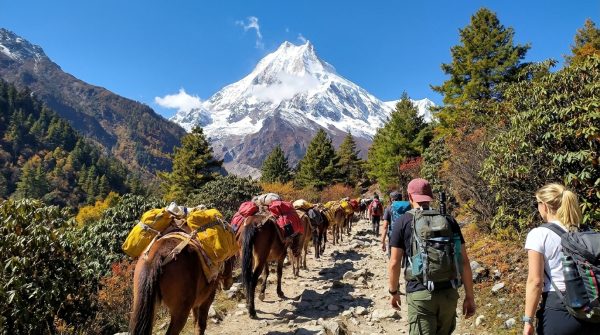
Other general options include Tibetan bread, chapati, porridge, and pancakes for breakfast, while lunch and dinner may contain momo (dumplings), fried rice, pasta, and noodles. While the variety of food is decent, it becomes more limited at high altitudes due to transport challenges. The material is either transported by porters or carried on mules, which makes the fresh yield available in remote areas. To maintain hygiene and health, eat fresh ripe food and avoid raw salads or dairy products until they are well-cooked or pasteurized.
Food during Manaslu Trek
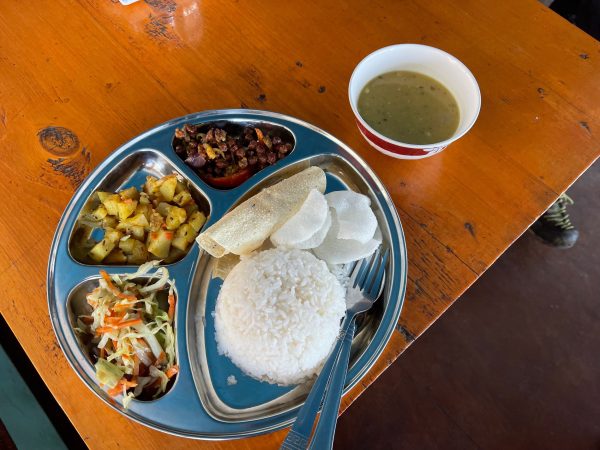
Dal Bhat(nepali Food)
Breakfast Menu
While going on the Manaslu Circuit Trek, having breakfast becomes essential. A range of breakfast items are offered by the tea house available in the whole trek. Here is a complete list of items provided at breakfast time in this trek:
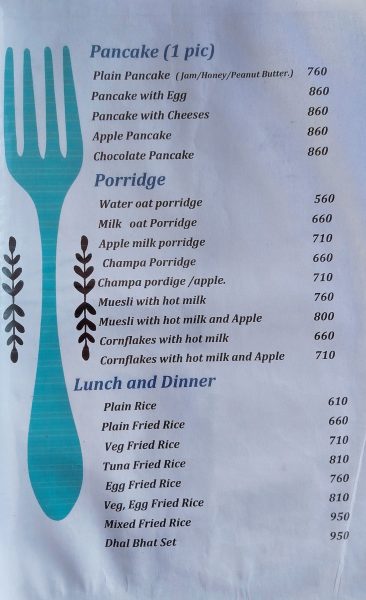
Breakfast Menu
Food Menu of Manaslu Trek
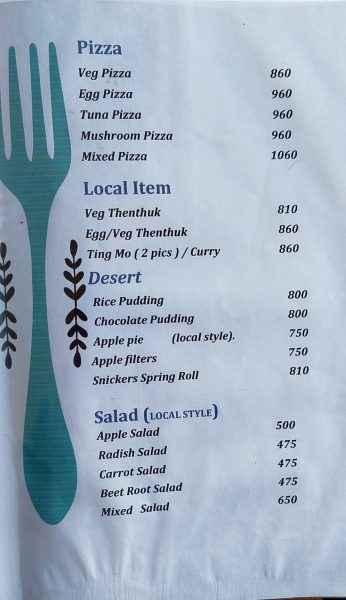
Lunch Menu
Lund and Dinner menu
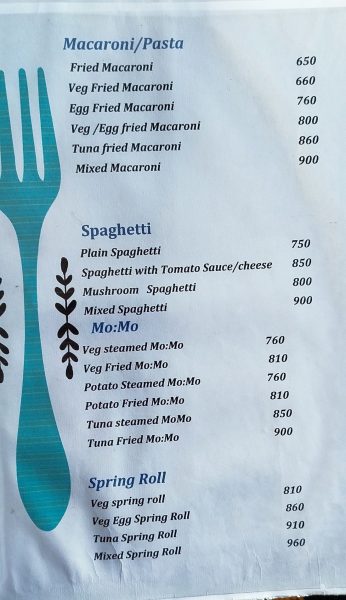
On the Manaslu Trek, there are different types of foods available for lunch and dinner, providing adequate energy to tackle tough trails. There are tea houses along the trek offering different types of foods, including traditional Nepali foods with some influence from Tibetan culture. Below is a full menu of food items for lunch and dinner during the trek:
Dal Bhat: This dish consists of boiled rice, lentil soup, vegetable curry, and pickle. This food item provides balanced nutrition and an unlimited number of servings.
Dhindo: Traditional porridge made of some grains, millet, or cornflour, along with vegetable or meat curry and pickle.
Fried Noodles (Chow Mein): This is stir-fried noodle with vegetables, and in some cases, egg or meat.
Thukpa: A very nutritious soup made out of noodles and vegetables and meat.
Thenthuk: This is a soup made of hand-drawn noodles, with vegetables and meat.
Rice and Grain Food Dishes
Fried Rice: Rice is cooked with vegetables, eggs, and meat, when necessary.
Rice with Curry: Rice dish along with vegetables and either chicken or meat curry.
Macaroni: Pasta prepared using vegetables, cheese, and tomato sauce.
Momo: Vegetable, cheese, or meat dumpling served with noodle sauce.
Chapati: Akharamari flatbread, usually paired with curry.
Sandwich: Grilled cheese sandwich, tomato, egg, or tuna sandwiches, usually accompanied by chips.
Boiled Potatoes or Fried Potatoes: Simply served, plain or with some additions like vegetable, cheese, or egg.
Hash Brown: CHIPPED or DICE potatoes that are pan-fried.
French Fries: Long pieces of potatoes which are deep-fried.
Botanical Soup: Soup with light broth and vegetables.
Garlic Soup: It is said to be composed of garlic and light broth.
Pizza: Paneer available in options such as vegetables, mushrooms, or other mixtures.
Pasta: Available as fried vegetable pasta or cheese pasta, also pasta with tomato sauce.
Spaghetti: Paneer with tomato sauce, vegetables, or tuna.
Fresh Vegetable Salad: Combination of available local vegetables.
Light Boiled Vegetables: Boiled and lightly boiled vegetables.
Spring Roll: Pastry stuffed with vegetables or meat.
Pakoda: Friends made of vegetables dipped in a batter.
Papad: Thinner version of flatbread,
Shrimp Crisps: Light crispy snacks made of starches and shrimp.
Rice Pudding: Sweetened rice pudding made of milk in sugar and spiced up.
Apple Pie: Filling of apple in pastry, sometimes with custard.
Chocolate/Custard Pudding:
Drinks and Beverages Menu During Manaslu Trek
Drinks Menu
Hot Drinks menu
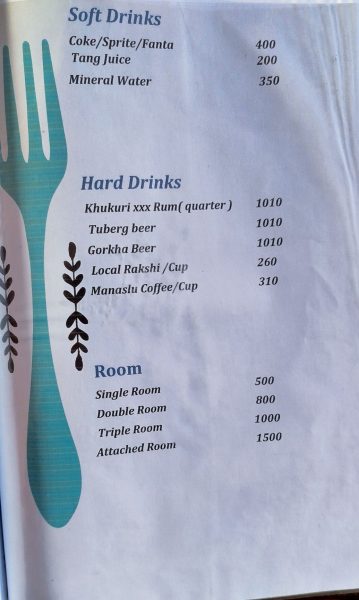
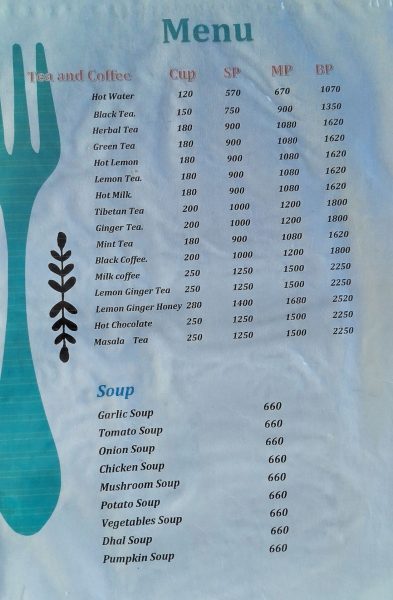
To remain hydrated throughout the course of Manaslu Circuit Trek due to the freezing temperatures at the high altitude, different beverages are essential. Various kinds of beverages are provided by tea houses in Manaslu Circuit Trek. Below is the exhaustive list of drinks and beverages available for trekking:
Black Tea: It refers to plain tea prepared from tea leaves without any milk.
Milk Tea: Black tea added with milk and sugar.
Masala Tea: Tea prepared from a blend of various spices including cardamom, cinnamon, and ginger with milk and sugar.
Ginger Tea: Pisa infused with fresh ginger for digestion and its warm effects.
Lemon Tea: Black tea mixed with splashes of lemon juice.
Mint Tea: Made by infusing fresh mint leaves which have cooling effects.
Green Tea: Caffeine free light tea loved for antioxidants.
Tibetan Butter Tea: Traditional tea prepared from tea leaves, yak butter, and salt.
Black Coffee: Plain coffee prepared from ground coffee.
Milk Coffee: Coffee mixed with milk and sugar.
Instant Coffee: Prepared instantly by dissolving in hot water.
Hot Chocolate: It is a sweet, cozy drink made up of chocolate powder mixed with milk or water.
Hot Lemon Drink: Warm water mixed with fresh lemon juice; At times it can be sweetened with honey.
Ginger Lemon Honey Tea: Combination of ginger, lemon, and honey in warm water; Calming to the throat, and helps in acclimation.
Warm Milk: Warm milk without anything else; Commonly taken just before bed.
Horlicks: Horlicks malted milk powder mixed with warm milk or water.
Beer: Found in bottles or cans; Brands could be different from those available at home.
Alcohol: Found in red and white strings.
Local Souls: Examples include distilled local alcohol from Raksi, rice, or millet.
Source of Water
source of water
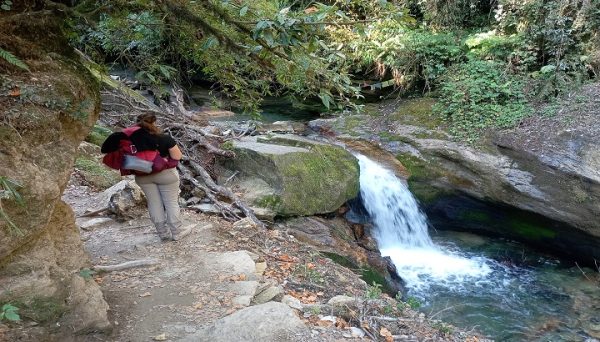
It is crucial to make sure that the trekking trip has access to clean drinking water. This place provides a lot of options for water supply but purification must be done in order to avoid any health complications.
Tap Water from Teahouses: Almost all tea houses offer tap water which comes from currents or springs. Even though this is the easiest option, it is not pure and must be purified before being consumed.
Currents and Rivers: The route is full of many sources of running water – glacial streams and rivers. The disadvantage of such sources is that they might be polluted by the upstream activities and, thus, must be purified before drinking.
Bottled Water: Bottled water may be purchased in tea houses. Nevertheless, purchasing this type of water leads to increasing amounts of plastic waste and becomes expensive quickly. It is recommended to use it moderately for environmental reasons.
Boiled Water: Usually, tea houses sell boiled water for some money; however, it is necessary to let the water cool down before pouring it into plastic bottles.
Filtered water: In some tea houses you can find filtered water, although using purifiers or purification tablets would be better.
Purification Methods
One of the most effective ways of purifying water is boiling it. For the best results, ensure that you boil the water for at least three minutes. This is especially recommended if you are traveling at an altitude of more than 2,000 meters above sea level. Boiling helps kill most forms of germs such as bacteria and viruses.
This water purification method takes time and involves the presence of a fire source. There are also tea shops around popular areas for hikers that sell boiled water.
Another method of water purification is using chemical substances such as tablets and drops. The common forms of chemicals used include iodine or chlorine tablets and chlorine dioxide drops. All you need to do is to drop the right amount of tablets or drops in your water bottle for the required time.
Chlorine dioxide works best since it kills a variety of organisms such as Giardia and Cryptosporidium. Nevertheless, the use of this chemical leaves behind an aftertaste and needs some time to act. Besides, there are people who get allergies from such chemicals.
Another excellent means to purify water without resorting to chemicals is using water filters. These devices work through microfiltration to remove any bacteria and protozoa from the water, while some even have the ability to remove certain viruses. Moreover, there are portable water bottles equipped with filters capable of cleaning water as you consume it.
Choosing the appropriate filter is crucial, as each one must be specifically tailored to match the particular contaminants found in the local water supply. Although convenient and effective, filters need proper cleaning and maintenance to continue working efficiently. To further ensure safety, pairing up filtration with chemical treatments would be ideal in certain situations.
The use of UV light is highly efficient and rapid in eliminating dangerous pathogens. Portable devices such as the SteriPen utilize ultraviolet rays to disinfect the water, rendering it safe within several minutes.
As an added advantage, UV purification technology works best in relatively clear water. Due to the fact that it requires a power source, carrying extra batteries should always be considered. Filtering the water prior to the treatment is advisable in certain cases.
Accommodation During Manaslu Trek
Accommodation during Manaslu trek is not only a part of the trek but also one of its main elements as it gives you not only very basic needs but that shows well what are famous hospitality welcomes by locals which also called Himalayas.
Tea House Accommodation at Manaslu Circuit Trek by Seasons
Spring
Almost all of the tea houses provide basic accommodation with rooms offering beds and blankets and some sort of common dining areas. This trek will be warm enough and provide a comfy sleeping experience with average temperatures. However, the chances are high that there will be high demands for accommodation, which requires advance booking.
Autumn
Since this period is considered the peak season, tea houses will be busy and provide accommodation of decent quality. Most likely, rooms will provide you with beds, blankets, and communal facilities. Although tea houses are open at this time of year, it is better to book your accommodation in advance.
Summer
The monsoon season means that many tea houses will be closed, while those staying open may provide only the most basic accommodation. This season can be quite unpleasant because of excessive moisture and humidity. Some lodges might suffer from mold growth.
If you have done any treks in Nepal, then perhaps you may know something about the teahouse. However, if you haven’t done any trek yet and are planning your first trek, then you should be prepared for much fewer but a lot of teahouses instead.
To help you understand about the teahouse culture in Nepal, let us tell you that teahouses are small lodging facilities owned by the local people who provide them to trekkers for staying.
Basically, teahouse is the way through which the locals generate business for themselves via the hospitality industry as well as provide affordable lodging and boarding facilities to trekkers on the Manaslu trek.
In the teahouses, trekkers get decent rooms, wholesome food cooked at homes, along with some amenities.
Thus, these are some of the important aspects of accommodation in Manaslu trek.
But do not think that you can find luxurious facilities when trekking in the Manaslu Trek. Availability of facilities, including amenities, is subjective and dependent upon the time of year you undertake the trek.
Availability of luxury amenities, such as western toilet, electrical supply, Internet connection, hot water, and other amenities, will depend on your elevation and location at rest.
Despite the fact that you can have an Internet connection while on the Annapurna Base Camp Trek, Wi-Fi is available at all the teahouses in the trekking route. But you have to pay extra money to use the Internet.
Day by Day Accommodation on the Annapurna Base Camp Trek
Considering the usual itinerary provided by Himalayan Sanctuary Adventure for the Manaslu Circuit Trek, following is a list of expected amenities regarding the Food, Drinks and accommodation on the Manaslu trek:
Hotel in Kathmandu
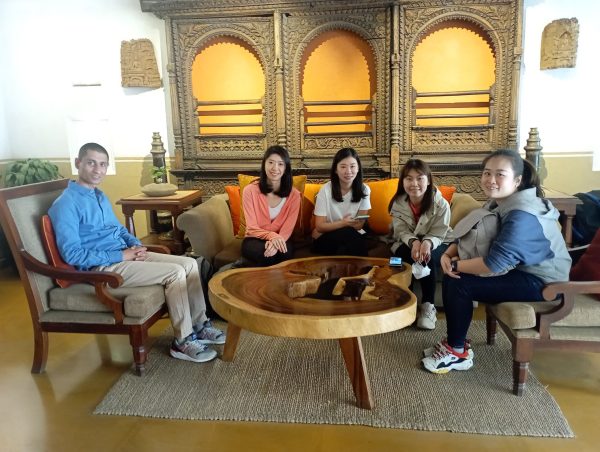
Hotel Thamel or Similar in Kathmandu(3* Category)
Hotel Yak and Yeti (5*)
Affordable accommodation is guaranteed through various hotels ranging from economy-class guesthouses to luxury class 5-star hotels offering different facilities. As we travel to Kathmandu, we stay at 3-star hotels which have attached bathrooms, showers, and all the basic facilities based on our itinerary. Facilities provided are shared by two people; but if you wish to have your luxury room, kindly Contact us
Guesthouse/Lodge in Maccha Khola (890 m / 2965 ft)
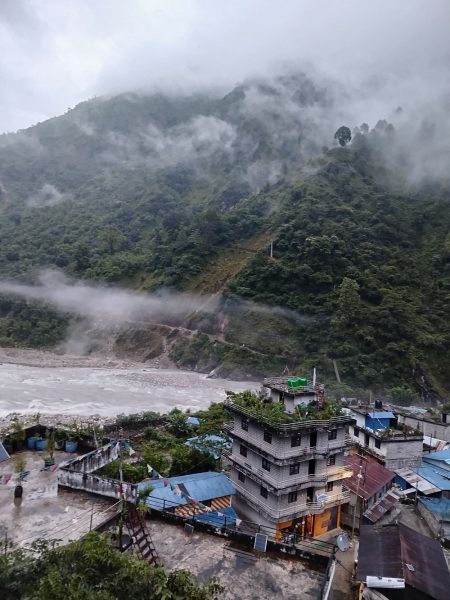
Teahouse/Lodge in machhe khola
Nirvana Lodge or Tsum valley
The Machha Khola village will be your first location on the way to Manaslu trails. This will be your first halt in the Himalayan region. It will provide you an ideal place to halt overnight during your adventure on the trail of Manaslu. It provides you some teahouses having facilities that match your level of comfort. You will be provided with comfortable rooms for two or three people with two beds, mattress, pillows, blanket, and a common toilet. Very easily, one will find a basic room ranging from USD $ 5 to $10.
Guesthouse/Lodge in Jagat (1,340 m /4,396 ft)
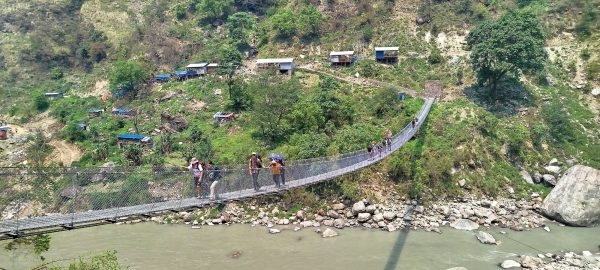
Shanti Guest House
One can have many choices of teahouse to choose from in Jagat. There are no extra services offered, and there is no difference in the prices between here and Machhakhola. A luxurious room with bathroom facilities and hot showers is very costly. In addition, one can use a satellite phone for communication. But it would be better to know the price in advance.
Guesthouse/Lodge in Deng (1,804 m / 5,918 ft)
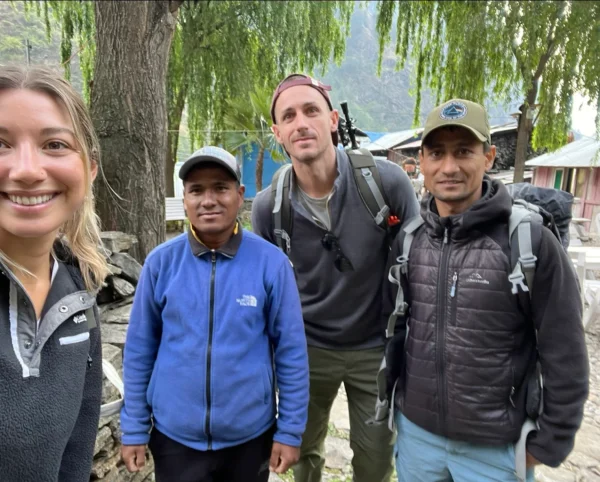
Windy Valley Guesthouse/Lodge
Deng teahouses are much simpler compared to the teahouses found in other times (Jagat and Machhakhola). The rooms that come with basic amenities like mattresses, pillows, and blankets cost NPR 800-NPR 1000 per night. However, amenities like hot water baths, Wi-Fi, and power points are not provided in the teahouse.
The majority population in Deng consists of the Gurung and Tamang tribes who have set up teahouses to earn some income. There are very few personal villages in the valley. It is also a chance to confirm local food recipes and experience the living conditions in the Nepal Himalaya area. In conclusion, it is more of a business place than a village.
Guesthouse/Lodge in Namrung (2,630 m / 8,628 ft)
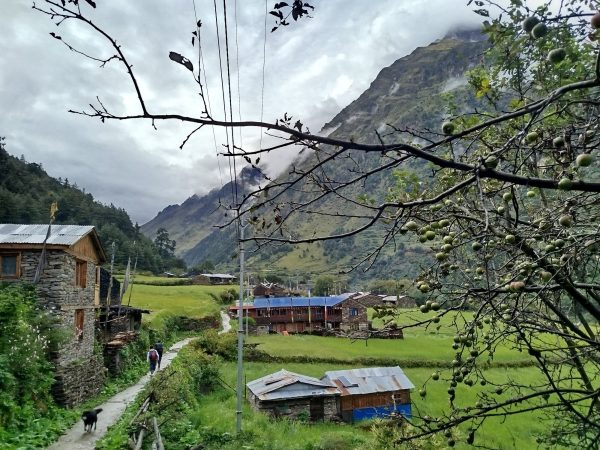
Cozy inn Guest House or Four season Resort(Luxury hotel in the Area)
First class and superior teahouses with bathrooms. Even some guesthouses generate hydroelectricity and drinking water. You get to enjoy top-notch facilities (at a very high price) in this distant place, but they are all worth each and every single penny. The following area has some VIP hotels as well.
Shyala (3575m/11730ft)
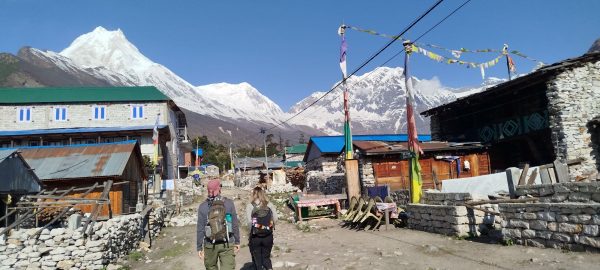
Mountain View or Namaste
The accommodations in Shyala at the teahouses here include comfortable twin beds with pillows, blankets, mattresses, and warm food. Although the facilities offered are basically the same, the prices have increased somewhat. From the terraces of the teahouse, one can enjoy the stunning view of mountains like Mt. Manaslu.
Sama gaun (3530m)
Holiday inn or Norling Guest House
Samagaun is among the most prominent settlements on the Manaslu Trail. Despite its elevation of 3,520 m, there is nothing complicated regarding finding a place to stay overnight. The settlement offers many teahouses (more than a hundred) ranging from affordable ones to costly teahouses with various services provided by them. In addition, some teahouses provide not only an open room but also a cozy dining hall with magnificent peaks and beautiful surroundings making your room comfortable to stay in. Other services include internet and phone connections and so forth.
The settlement serves a good place for taking a short rest in Birendra Lake and Manaslu Base Camp, but it is frozen. Almost all teahouses provide cozy hot shower facilities. Also, it is essential to get refreshed after a lengthy journey during a cold day. Additionally, sleeping bags and blankets are necessary.
Samdo (3,865 m / 12,680 ft)
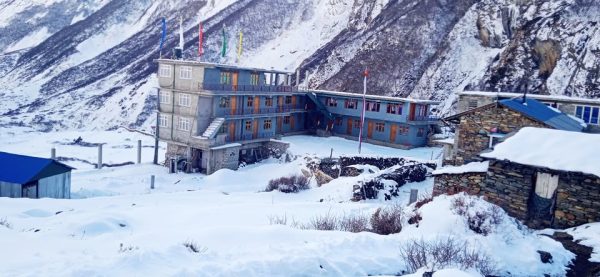
It is the final stopage at the challenging high altitude pass named Larkya La. In spite of being developed, Samdo remains a faraway location due to its isolated nature. The teahouses of Samdo have been operated mainly by the local inhabitants (Tamang and Bhotey). The facilities provided by the teahouse are quite basic where there are only some wooden beds, mattresses, pillows, and chairs to furnish the rooms. Nevertheless, they introduce some new facilities along with a modern teahouse recently.
Dharamsala (4,460 m / 14,632 ft)
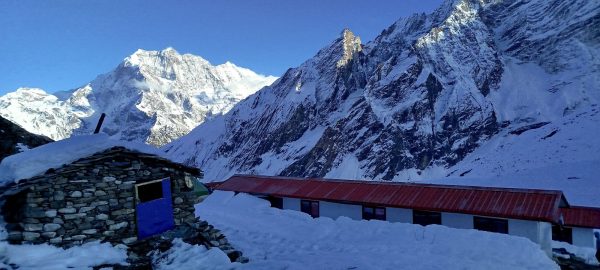
Larkey or Peace Lodge
Dharamshala is one of the most beautiful spots of Manaslu circuit trek, known also as Larkya Base Camp or Larkya Phedi. It is suggested to spend a night there since the view from there is out of the world.
This place is not only challenging because of the height but also because of accommodation. The number of teahouses is quite limited (about 3 to 4) when comparing to other places on Manaslu trek route. The comfort services will definitely be used by others, too, but don’t mind that and enjoy other advantages like hot showers and internet access. Be happy with the remoteness of the area in the Himalayas of Nepal.
The campsite was initially chosen for camping in Dharamshala, but today it turned into teahouses due to its popularity in busy season, having rather limited space. Pack also a warm sleeping bag because it can get chilly there.
Bhimthang (3,590 m/ 11,778 ft)
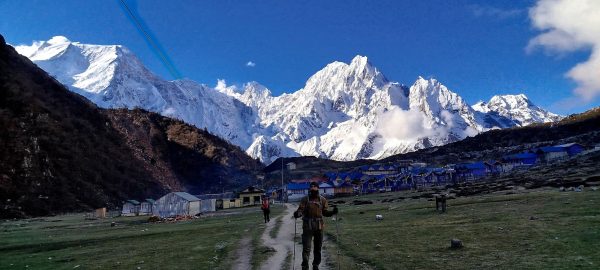
Ponkar Ganga Hotel/lodge or Apple Garden Lodge
Once you conquer Larkya La Pass, descend down to Bimthang and inhale fresh air. Teahouses in Bimthang are supposed to be the best one because you can get better service than in Dharamshala. There is an abundance of teahouses that have all the same facilities you have got in Machhakhola and Jagat.
A hot shower will also come in handy after such a challenging climb. Moreover, you will once again enter your online world since people living here are Tamangs and Bhotey and depend on these teahouses economically. To put it mildly, it is a business place on the trail of Manaslu.
Gho (2,550 m).
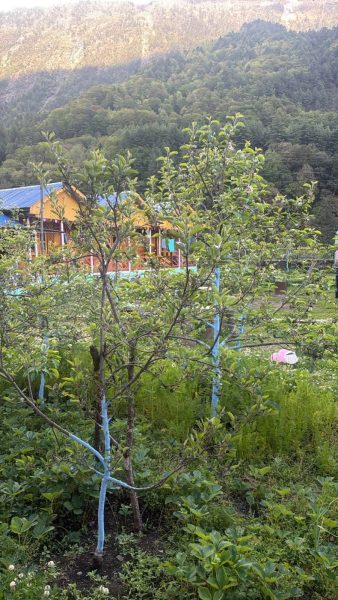
Gho marks the end point of the trekking route around Manaslu. The place has very few tea houses (4-5) that are not much comfortable. The tea houses will have hot blankets, pillows, and thin mattresses to give you all comforts. However, it won’t match up with the comfort levels of city hotels.
Tilje(2,300m / 7,545ft) and Drive to Besishar(760M)
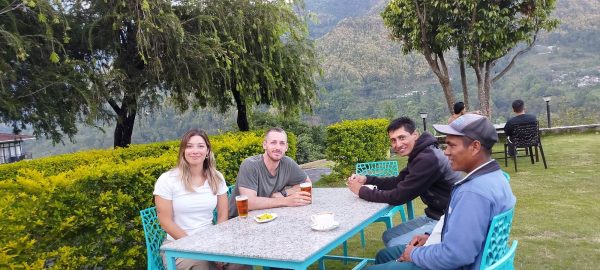
Hote Baranda or Gateway Himalayan Resort
Besisahar is the Big City and Head quater of Lamjung District so you can have reasonably priced hotels, ranging from budget guesthouses to 3-star hotels, with diverse services.
Frequently Asked Questions (FAQs)
Local Nepalese food ( Dal Bhat) and Tibetan food such as lentils, momos, noodles, Thukpa and others are served in the trek.
Mostly, tea houses serve vegetarian food depending upon people’s preference and food requirements.
The food is prepared from locally grown citrus vegetables by tea house owners themselves or members of their family.
Yes, some tea houses offer us international foods such as pastas, pizzas, or pancakes, although local food is common.
We get typical breakfast foods such as oatmeal, eggs, toast, Tibetan breads, and other similar foods along with tea and coffee.
We will get drinking water in our tea house, but water needs to be purified before drinking.
Food costs will vary, but one should expect to pay NPR 300 to NPR 800 for food in the tea house.
It is always recommended to pack some snacks in the form of energy bars, nuts, and dried fruits to boost your energy for the trekking journey.
Experiencing local dishes such as momo dumplings and thukpa noodle soup does not come up in my mind.
It is generally safe to have foods at tea houses but one needs to be cautious and eat only freshly prepared foods.
Some of the common drinks that are available are tea, coffee, hot chocolate, and rice wine.
There are tea houses that offer alcoholic beverages such as beer and local spirits.
No, because tea houses offer foods but some trekkers prefer to carry a portable stove for convenience.
I will drink plenty of pure water, herbal tea, and electrolytes throughout the journey.