140989/2072/073


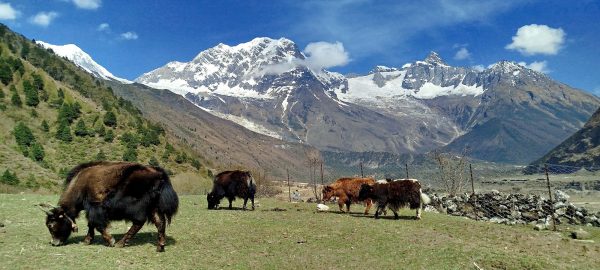
Exploring the Himalayas as well as yak grazing
The Manaslu region is located in the west-central part of Nepal and named after Mount Manaslu, the world’s eighth highest peak at 8,163 meters. This region is still remote and less explored than the more commercialised Everest and Annapurna regions. It was opened to trekkers only in the early 1990s, and even today, access is controlled to protect its fragile ecosystem and unique cultural heritage.
Both Manaslu Tsum Valley trek and Manaslu Circuit trek are situated in the Manaslu Conservation Area which is rich in diverse flora and fauna including rare species such as snow leopard and Himalayan tahr.
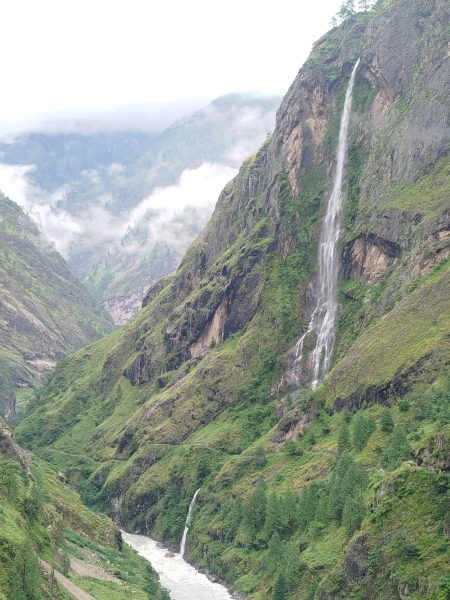
Waterfall after lunch at Chisapani on the way to Tsum Valley Trek
The cultural authenticity of the Manaslu Tsum Valley walk is among its most notable features. Trekkers travel through villages like Chumling, Chhokang Paro, and Nile, whose residents speak a dialect that is closely linked to Tibetan and follow long-standing traditions. Visitors can participate in Buddhist rites and meditation activities at important spiritual sites including Mu Gompa and Rachen Gompa.
Tsum Valley’s scenery is equally fascinating. The trail provides stunning views of the Boudha, Sringi, and Ganesh Himalayas. The valley offers a tranquil and engaging experience because it is less busy than other trekking paths.
The trek usually takes 14-18 days, depending on the itinerary. Moderate to difficult walking conditions, with some steep ascents and descents. The ascent is gradual though so it is manageable for trekkers with a reasonable level of fitness.
Accommodation is mainly in teahouses which provide simple but warm hospitality to trekkers. The food is basic but nutritious, usually in the form of dal bhat, noodles and local food.
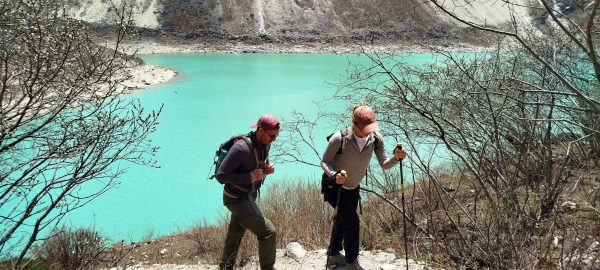
Birendra Lake in Manaslu Circuit Trek
The Manaslu Circuit is one of the most amazing trekking routes in Nepal. It is often compared to the Annapurna Circuit but with less people and a more pristine environment. This trek goes around Mount Manaslu and gives a fantastic range of landscapes from subtropical forests to high mountain passes.
Crossing the Larkya La Pass at an altitude of 5,160 meters is the most difficult and rewarding experience of the Manaslu Circuit trek. From this high mountain pass one can enjoy panoramic views of Himlung Himal, Cheo Himal, Kang Guru and Annapurna II. There’s nothing quite like the feeling of achievement when you reach the pass.
The trek also goes through different cultural regions inhabited by Gurung and Tibetan communities. Villages such as Samagaon and Samdo offer a glimpse of traditional mountain life, with opportunities to explore local attractions such as Manaslu Base Camp and Birendra Lake.
The Manaslu Circuit trek usually takes 14 to 17 days. A moderately difficult trek with long walking days and high altitude challenges. Proper acclimatization is very important to avoid altitude sickness.
Hikers will encounter a blend of well-developed trails and rough country. The infrastructure has gotten better over the years but still has a remote and adventurous feel.
The Manaslu Tsum Valley trek combined with the Manaslu Circuit trek is a great option if you’re looking for a more comprehensive Himalayan experience. The long walk usually takes 20 to 24 days and gives trekkers the opportunity to soak up the spiritual depth of the Tsum Valley and the spectacular scenery of the Manaslu Circuit.
This combination trek is a perfect blend of culture, nature and adventure. It is better suited to seasoned trekkers with the time to spare who want a more immersive experience.
The best seasons to do the Manaslu Tsum Valley trek and Manaslu Circuit trek are spring (March to May) and autumn (September to November). During these months the weather is stable, the sky is clear, and views of the mountains are excellent.
In spring the rhododendrons are in bloom and the countryside is bright green, and in autumn the air is crisp and visibility is best. Trekking in the winter is possible but difficult, especially at higher elevations where snow and cold temperatures prevail.
As the Manaslu region is a restricted area, trekkers need special permits to enter which include the Manaslu Restricted Area Permit, Manaslu Conservation Area Permit (MCAP), and Annapurna Conservation Area Permit (ACAP) for the circuit portion.
Additionally, trekkers must be accompanied by a licensed guide. These regulations help to ensure safety and support sustainable tourism in the region.
Proper preparation is key to a successful trekking experience. Physical fitness is essential, as both treks involve long days of walking and significant altitude gain. Cardiovascular training, strength exercises, and practice hikes can help build endurance.
Packing the right gear is equally important. Essentials include sturdy trekking boots, warm clothing, a sleeping bag, and a first-aid kit. Since the region is remote, it’s advisable to carry necessary supplies and be prepared for limited facilities.
Hydration and acclimatization are crucial to prevent altitude sickness. Trekkers should ascend gradually, take rest days, and listen to their bodies.
Why Choose These Treks?
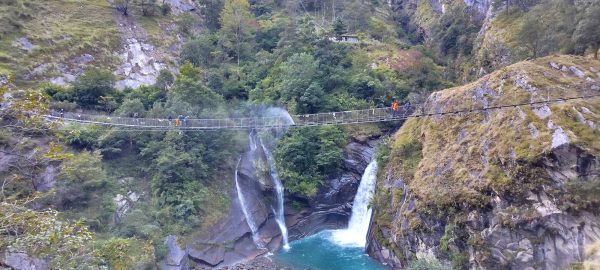
waterfalls under the suspension bridge on the Manaslu Trail right after Jagat
The Manaslu Tsum Valley trek and the Manaslu Circuit trek offer something truly unique compared to other trekking routes in Nepal. They provide an opportunity to explore untouched landscapes, experience authentic Himalayan culture, and challenge oneself physically and mentally.
These treks are perfect for those who want to go beyond the typical tourist trails and discover a more genuine side of Nepal. The combination of natural beauty, cultural richness, and adventure makes them unforgettable journeys.
Altitude sickness doesn’t care how fit you are. It doesn’t care if you have done this before. It hits first timers and seasoned trekkers alike and in the the mountains, being unprepared can cost you the entire trip.
You have put together the most complete guide to acute mountain sickness(AMS) so you exatly what to watch for, how to respond and how to prevent it before it starts.
What is Altitude Sickness
When you ascend up quickly your body doesn’t get enough to time to adjust to lower oxygenlevels. This is called Acute mountain Sickness(AMS)
Here’s what’s inside
Stop, Rest, Do not Push on
Before you Start
3 Level you Must Know
How to know AMS is starting
Preventive measures for Altitude Sickness are:
The required permits for Manaslu Circuit Treks are as follows:
Manaslu Restricted Area Permit (RAP)
USD 100/week per person + USD 15/person per day (beyond a week) [Sep-Nov]
USD 75/week per person + USD 10/person per day (beyond a week) [Dec-Aug]
Manaslu Conservation Area Permit (MCAP)
USD 30/person (Foreigners)
NPR 1000/person (SAARC)
Annapurna Conservation Area Permit (ACAP)
USD 30/person (Foreigners)
NPR 1000/person (SAARC)
Trekkers Information Management System (TIMS)
NPR 2000/person (Foreigners)
NPR 1000/person (SAARC)
Upper Body – Head / Ears / Eyes: Sun hat, Wool or synthetic hat that covers the ears, Sunglasses with UV protection, Headlamp, Neck warmer
Hand: Liner gloves, Heavier shell gloves
Core Body: T-shirts (2), Lightweight expedition thermal tops, Fleece jacket or pullover, Water/windproof shell jacket (Preferably breathable fabric), Synthetic sports bras (for women)
Lower Body – Legs: Lightweight expedition thermal bottoms, Nylon hiking shorts, Soft shell and hard shell trekking pants, Water/windproof trousers, Casual pants
Feet: Liner socks, Heavyweight socks, Waterproof hiking/trekking boots, Light shoes/sneakers, Gaiters (For monsoon and winter)
Other Essential:
Medicines and First Aid Kit:
FAQ
Is a hot shower included in your Manaslu Trek Package ?
it’s not included in the package but there are a few showers available on Trekking Trail Nepal’s Short Manaslu Circuit Trek. Hot showers are available on the Manaslu Circuit Trek, however availability varies according on the trekking program and organization you choose. Certain locations or lodges may offer hot showers, but it’s not assured that they’ll be bucket showers or running water.
This depends on the company. If you are hiking with another business, it is advised that you get in touch with us in advance to find out exactly what facilities are covered in the package, to avoid any misunderstandings. Season and regional conditions vary. though it is not Included in our Manaslu circuit trekking program, some of the places in the Trekking Trail .
Note that running hot showers are a luxury that you might not always find on the path, especially in higher elevations. For personal hygiene, many hikers are happy to use a baby wipe or a cold shower. Making adjustments to one’s environment and adopting a new perspective on what constitutes a basic requirement can have a big impact. It’s also critical to understand that hot showers use a lot of fuel, which can be costly to transport to far locations. Furthermore, we also know that hot showers might not be ecologically responsible in such a delicate ecology.
Which months are ideal for hiking the Manaslu Trek ?
The months of March through May and September through November are usually the best times to go Manaslu Trekking. During these times, the weather is typically clear and stable, making trekking and taking in the breathtaking views simpler.
The best time to do the journey is thought to be between September and November, when the monsoon season finishes in August or early September and the sky are clear and provide breathtaking views of the Himalayas. In addition, the temperate weather during this time of year makes hiking enjoyable.
The hike is also appropriate from March to May. The hike is embellished with vibrant rhododendrons that are in full bloom, and the weather is warmer. Nevertheless, rain is a possibility.
It is crucial to remember that the weather in the Himalayas’ high altitudes can be unpredictable and change quickly. It is possible to have snow, rain, and severe winds even in the best of months. It is imperative to have appropriate warm and waterproof gear and equipment, as well as to be prepared for any kind of weather.
It’s also important to recognize that trekking in the off-season (December to February) can be difficult because of the bitter weather, a lot of snowfall, and the difficulty in locating lodging. In addition, the paths can be closed.
Please be aware that our season is impacted by climate change and global warming. It’s growing late. The winter season finishes in March of 2020, while the monsoon season ends in mid-October of 2022.
Is climbing required for Manaslu Trekking ?
Though renowned for its difficulties, the Manaslu Trek in Nepal does not involve any technical climbing. The Larkya La Pass, the trek’s highest point, is more than 5,100 meters (16,732 feet) above sea level. It passes through difficult and remote terrain.
There are tiny passageways, river crossings, and steep inclines and falls along the path. A high degree of physical fitness, familiarity with acclimatization, and trekking are essential. A few parts of the hike might be buried in snow or ice, thus hikers need to be equipped accordingly. You have a guide or porter to help you traverse the trail and take care of logistical needs like housing and permits, according government regulations.
In Nepal, do we need to tip a porter and hiking guide ?
Tipping is not required in Nepal, although it is a common custom and a way to express appreciation for very good service, particularly in the travel sector. Tipping is a way to show appreciation for the hard work that trekking guides and porters put in to make sure you have a pleasant and unforgettable trekking experience.
However, the amount of gratuity you choose to leave them should be determined by how satisfied you are with their services. When determining the right tip amount, it’s also a good idea to take into account the overall cost of living in the area, customs of the locals, and your own financial situation. In the end, the most important thing is to show gratitude and respect for their
How much should I tip the porter who is carrying my friend’s and my stuff on the Manaslu trek in Nepal?
Tipping is not mandatory but is expected in Nepal, where the standard amount for each Guide and porter is normally the 10% to 15% of the total amount you have paid for the Trek.
Though you may also want to recognize exemplary service or if the porter had to carry a big load, the precise amount of the tip should reflect your level of satisfaction with their services and the extra effort they made during the hike. The precise tip, however, is determined by a number of variables, including your own spending limit, how happy you are with the guide’s services, and regional traditions. Ultimately, it’s important to convey your gratitude and respect for everything they did to make your voyage an amazing experience.
Conclusion
In a world where many travel destinations are becoming increasingly crowded, the Manaslu region remains a sanctuary for those seeking solitude and authenticity. Whether you choose the spiritually enriching Manaslu Tsum Valley trek, the adventurous Manaslu Circuit trek, or a combination of both, you are guaranteed an experience that will leave a lasting impression.
From ancient monasteries and welcoming villages to towering peaks and high mountain passes, these treks showcase the very best of the Himalayas. With proper preparation and a spirit of adventure, the journey through the Manaslu region can become one of the most rewarding experiences of a lifetime.
Contact us on What’s app for more information and follow us on Facebook and Instagram and plan your trip in Nepal with us. You can also reach us by email: info@himalayasanctuary.com