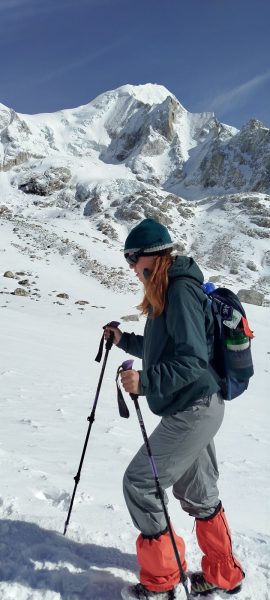
Why Mount Manaslu referred to as the Killer Mountain ?
Mount Manaslu is often referred to as the “Killer Mountain” due to the significant number of fatalities that have occurred during the attempts to summit. The mountain’s high level of difficulty, combined with unpredictable weather, dangerous terrain, and the risks associated with high-altitude climbing, contributes to its dangerous reputation.
located in the Nepal Himalayas, Standing at 8,163 meters (26,781 feet) above sea level. It is known for its breathtaking beauty and is a coveted destination for mountaineers, though it remains a challenging climb due to its technical difficulty and unpredictable weather. let’s examine some of the region Why Mount Manaslu referred to as the Killer Mountain ?

- Avalanche Risk: Steep slopes, heavy snowfall, and shifting weather conditions can trigger avalanches, which have resulted in numerous fatalities over the years. These sudden and powerful events can quickly overwhelm climbers and their equipment.
- Altitude and Thin Air: located at 8,163 meters (26,781 feet), making it one of the higher peaks in the Himalayas. At this altitude, the air is significantly thinner, and climbers face an increased risk of altitude sickness. If not properly managed, this condition can lead to life-threatening complications, such as cerebral or pulmonary edema.
- Technical Challenges: The ascent involves navigating steep, icy slopes, and the climbers must contend with crevasses, rockfall, and unstable snow. This technical difficulty makes it a dangerous mountain to climb, requiring highly skilled mountaineers and the use of specialized equipment like ropes, crampons, and ice axes.
- Unpredictable Weather: The weather can change rapidly, with sudden storms, high winds, and extreme cold. These weather conditions increase the risk of accidents and make it more challenging for climbers to navigate the mountain safely. Reduced visibility and freezing temperatures make the climb even more perilous.
- Limited Rescue Options: Due to its remote location and harsh conditions, getting help in an emergency can be difficult. The lack of infrastructure and medical facilities at high altitudes means that injured climbers may not receive timely assistance, increasing the risk of fatalities.
Preparation for the Trek:
- Journey : The trek typically begins in Kathmandu and continues to Gorkha by bus, then on foot from Gorkha to Arughat. The journey involves traversing through areas like Madi Khola and Sundi Khola, with places such as Pungen Gompa offering moments of rest and reflection before proceeding to Base Camp.
- Altitude Considerations: The region is known for its high altitude, making it vital for trekkers and climbers to acclimatize properly to avoid altitude sickness
Climbing History

The 8,163-meter-tall “Mountain of the Spirit, located in Nepal’s Gorkha district. To emphasize the mountain’s mystical qualities, the locals also refer to it as “Kutang,” which means “the holy peak.” Mountaineers and thrill-seekers hold a special place in their hearts for the eighth-highest peak in the world.
Early in the 20th century, mountaineers were attracted to the challenge of climbing the eighth-tallest mountain in the world, Examining the mountain was challenging due to its distant location and rugged terrain. In 1952, Toshio Imanishi’s Japanese team made an attempt at the first climb. Deadly avalanches and severe weather compelled them to return despite their best attempts. A few years later, on May 9, 1956, the Japanese team, under the leadership of Yuko Maki, made another attempt and made it to the top, which became the first peak climbed alongside Gyalzen Norbu and others.
Following the successful ascent, other teams from various nations attempted to ascend, but only a small number succeeded. Trekkers continue to visit from all over the world in spite of the numerous challenges they encounter.

Key Points of the Trek
- Tibetan and Nepalese people’s distinctive cultural fusions: Despite their cultural distinctions, everyone can be interested in learning how these two cultures can coexist peacefully.
- Valley of the exotic Budhi Gandaki River: This river’s moorlands provide a window into the wonders of nature.
- A walking trail free of traffic: Because it is less crowded, trekkers choose this location.
- The majestic snow-capped mountains brings you unparalleled joy.
- The most thrilling and difficult part of your journey is the Larkya La Pass (5153m/16901ft) crossing, which is also the highest point on the hiking circuit.
Trek Highlights
- Unparalleled alpine experience
- Rich culture heritage
- Unsurpassed beauty, and biological diversity
- Real Tibetan culture, real life and unexpected variety
- High-Altitude Adventure
- Ecological Diversity
- Ancient Monasteries and Gompas
- The region, which is home to both Tibetan and Nepalese ethnic groups, is known for its rich culture and friendly people
The basic and cozy teahouses and lodges are accommodation types on the Manaslu Valley Trek . The simple facilities like beds, blankets, and pillows are there inside the room. Charging ports are mostly in the dining area. The attached bathroom is only in the lower regions and as you go higher washrooms are outside the teahouse. Pay an extra cost for services like Wi-Fi, laundry, hot showers, boiled drinking water, and charging electronic devices.
Meals during the Manaslu Circuit Trek
Full board 3-course meal breakfast, lunch, and dinner are served during the Manaslu Circuit Trek. The region is remote hence the meal varieties are limited. The most popular served meal is Nepali Dal-Bhat along with fresh green vegetables and pickles. Besides Dal-Bhat, other foods such as soup, noodles, eggs, hot tea, etc. are served. The meals are healthy and hygienic as well.
Drinking Water during the Manaslu Circuit Trek
Getting drinking water in the Manaslu region is easy. You can either pay a bit extra at the teahouses to fill your water bottle or buy bottled water. It’s a good idea to carry a water bottle and water purification solutions for safety.
Internet and Phone Networks during the Trek
In the lower areas of Manaslu, the internet and phone signals are stable. But as you go higher, it gets difficult to find a network. For using Wi-Fi, pay extra at the teahouses or get a local SIM card with data. In case of emergencies, there’s a satellite phone available.
Best Season for the Manaslu Circuit Trek
The best times for the Manaslu region trek are spring (Mar-May) and autumn (Sep-Nov) when the weather is clear and pleasant. But avoid rainy and winter treks unless you’re experienced. During rainy and winter seasons, the trails are slippery, muddy, or snowy, with limited accommodations. The weather and temperature are also not favorable so, plan wisely if you wish to trek in the off-season.
Manaslu Circuit Trek Difficulty
The remoteness and rugged trail make the Manaslu Circuit Trek quite challenging. There are lots of ascends and descends, elevation gains, and changing weather are other challenging factors. Also, the facilities are basic and limited. However, with good planning and preparation, it’s achievable. We suggest doing exercises, day hikes, and getting medical check-ups before going. Trust our guidance for a safe trek.
Altitude Sickness and Preventions during the Trek
Altitude Sickness is common in the High Altitude. It doesn’t care how fit you are. It doesn’t care whether you have done this before. It hits first timers and seasoned trekkers alike and in the the mountains, being unprepared can cost you the entire trip.
You have put together the most complete guide to acute mountain sickness(AMS) so you exactly what to watch for, how to respond and how to prevent it before it starts. This helps to prevent altitude sickness and adjust to the high-altitude environment. Altitude sickness can be managed by recognizing its symptoms and following preventive advice.
What is Altitude Sickness
When you ascend up quickly your body doesn’t get enough to time to adjust to lower oxygen levels. This is called Acute mountain Sickness(AMS)
- Brain and Lungs struggle with less oxygen
- Starts as low as 2500m above sea level
- Affects all trekkers regardless of fitness level.
Here’s what’s inside
- What is altitude sickness and how it happens
- What is the early symptoms most trekkers ignore
- The Three severity level AMS, HACE, HAPE
- Golden Rule: Climb High, Sleep Low
- Prevention Tips before you even hit the trail
- Guide what to do if hits you
- How wildfloc builds safety into every trek plan
Stop, Rest, Do not Push on
- The Moment system appear just to respond Calmly and Correctly
- Rest and Hydrate
- Mild AMS often recover in 12 to 24 hours
- Descend 3 to 5 hundred meters if no improvement seen
Before you Start
- Spend 1, 2 days at an intermediate altitude before going up
- Avoid Alcohol and Sleeping pills
- Eat light, Carbohydrate reach meals at high altitude
- Consult a doctor about Diamox before the Trek for High Altitude
- Drink 3, 4 liters of water daily
- Fitness does not protect you so Respect Altitude
3 Level you Must Know
- AMS: Headache, fatigue, Nausea, Rest and Hydrate do not ascend faster and Further
- HACE: Brain Swelling, Confusion, Loss of Coordination, Descend Immediately
- HAPE: Fluid in Lungs, Extreme Breathlessness, prink frothy cough, life threatening
How to know AMS is starting
- Headache
- Lethargy
- A drop in performance
- Loose of motion
- Insomnia
- Appetite loss
- Dizziness
- Nausea
- Vomiting
Preventive measures for Altitude Sickness are:
- Stretch and warm up before trekking.
- Stay hydrated with regular water intake.
- Ascend gradually and rest well.
- Avoid salt, alcohol, and smoking.
- Urinate frequently.
- Descend if feeling unwell.
- Consult guides for medicine
How we keep you Safe
We build every trek plan around acclimatization first. You can wait to summit but can’t wait safety. So gradual trek plans with Acclimatization days. Years of experiences with deep mountain knowledge Guide. Emergency Oxygen and Evacuation Protocal on every Trek.
Fitness Level during the Manaslu Trek

Trekking to Manaslu Trek is tough, so being fit is important. Trekkers are required to walk 6 – 7 hours a day on rough off-beaten trail paths. The elevation gain is another challenging part. Hence, trekkers should have good fitness levels. Prepare for the trek by exercising regularly for a few months and building stamina before the trek. Also, see a doctor to make sure you’re healthy enough for the trek.
Travel Insurance during the Trek
Get travel insurance before your Manaslu Trek as it is vital. It helps with medical costs and emergencies like lost luggage or flight issues. Make sure it covers altitudes over 4,000 meters for complete protection and a worry-free journey.
Guides and Porters during the Manaslu Trek
Our experienced guides prioritize safety and come prepared with essential gear and first-aid supplies. Skilled porters handle the luggage, ensuring a secure and memorable journey. Trust our team for a well-planned itinerary that emphasizes acclimatization, ensuring a successful Manaslu Trek.
Manaslu Trek Permits
The required permits for Manaslu Circuit Treks are as follows:
Manaslu Restricted Area Permit (RAP)
USD 100/week per person + USD 15/person per day (beyond a week) [Sep-Nov]
USD 75/week per person + USD 10/person per day (beyond a week) [Dec-Aug]
Manaslu Conservation Area Permit (MCAP)
USD 30/person (Foreigners)
NPR 1000/person (SAARC)
Annapurna Conservation Area Permit (ACAP)
USD 30/person (Foreigners)
NPR 1000/person (SAARC)
Trekkers Information Management System (TIMS)
NPR 2000/person (Foreigners)
NPR 1000/person (SAARC)
FAQ
- Why this Mountain given this name ?
It is is because over 60 individuals have died while trying to reach the peak during the trip. The incident’s primary causes are its perilous slopes and propensity for avalanches.
A significant avalanche claimed 16 lives in the fall of 1972, and another avalanche claimed 11 lives in 2012. - The Reasons Behind the Growing Popularity
Because it is challenging but less congested than other well-known summits, it is growing in popularity. The high fatality rate used to turn people off. However, climbing is now safer because of improved gear, escorted tours, and additional safety precautions. Climbers had a more successful journey because to things like drones and improved weather forecasts.
After the monsoon season, when the weather is clear and cool, most people climb between September and November. Every year, more climbers try to reach the summit, and the number is growing due to the efforts of both experienced climbers and guided groups.
- Is it challenging to climb ?
Over 60 climbers have lost their lives on the treacherous high-altitude mountain. No mountain higher than 8,000 meters is regarded as easy. - What’s the meaning ?
The Sanskrit term manasa, which means “intellect” or “soul,” is the root of the word manaslu, which translates to “mountain of the spirit.” - What’s the height ?
The eighth-highest mountain in the world, rises 8,163 meters above sea level. - How much time does it takes to climb ?
The ascent, which includes a hike to the 4,400-meter Base Camp, takes six weeks. You will set aside 23 days specifically for the climbing period. - What is the price of climbing ?
The total cost of climbing including all service fees, is approximately USD 11,500. At the Base Camp excursion, the price includes all transportation, food, services to Base Camp and High Camp, expedition gear, and premium tents. For the climbing sherpa, you must pay an additional USD 2,500.
It costs US $1800 in the spring, US $900 in the fall, and US $450 in the winter/monsoon if you’re simply interested in mountaineering royalty. - What is the number of camps for the climbing ?
The base camp is surrounded by four high camps. By setting up camp on the North-West Ridge, you can reach the summit. - Which is the easiest mountain to climb above 8000 meter ?
Cho Oyu is the easiest of the fourteen 8,000m peaks - When was it first climbed ?
It was first climbed in 1956.
Which 8,000-meter peak is the easiest to ascend?
The sixth-highest mountain in the world, Cho Oyu, is the simplest of the fourteen 8,000-meter summits. The distance from the circuit hike is 219 kilometers. - The Ideal Time to Scale
Spring (March to May) or fall (September to November). Climbers love spring because it offers great views, favorable weather, and a lower chance of avalanches. Additionally, autumn is fantastic because of the clear skies and more steady climbing conditions brought on by the cooler temperatures.
Every season offers advantages and disadvantages. Climbers can take in the breathtaking vistas in peace during the extended daylight hours of spring, but October offers even greater weather consistency and less tourists.
- What is the number of climbers ?
Since it was first climbed in 1956, more than 2,000 people have done so.
In conclusion
It is a particularly dangerous route because of its hazardous terrain, harsh weather, and history of horrific accidents. For those who are prepared to take on challenges head-on, Offers a singular experience and the opportunity to summit one of the most magnificent peaks in the world.