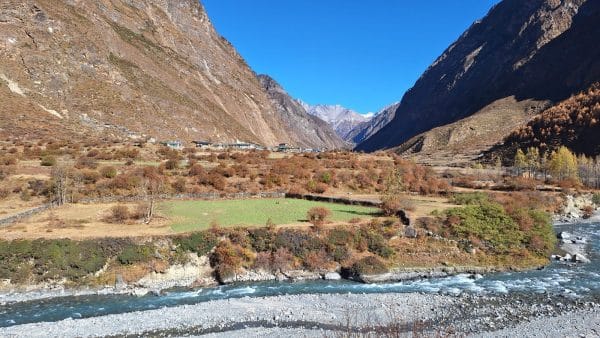
The Secret Treasure of Nar Phu Valley.
Nar Phu Valley truly like a hidden gem of the Himalayas ! Its remote location, untouched landscapes, and the preservation of Tibetan heritage make it a unique destination for adventurous trekkers. The combination of stunning snow-covered peaks, deep gorges, and rugged terrain, all while maintaining a sense of seclusion and authenticity, must offer a deeply enriching experience.

The fact that the Nar phu remained largely unexplored until 1992 speaks to how special and pristine it is, and the presence of descendants of the Khampa warriors adds a fascinating cultural layer to the region. With the protection of the zone and its relatively low number of visitors, it’s no wonder that this valley has managed to maintain its natural beauty and cultural heritage. This is a perfect choice for those looking to escape the more crowded routes and connect with nature and local traditions in an incredibly unique way.
Highlights of Nar phu
1. Untouched Mountain Villages
- The Nar and Phu villages are some of the last in Nepal to remain untouched by modernity. Exploring these ancient settlements gives you a chance to step back in time and experience life as it has been lived for centuries. The nomadic lifestyle of many of the villagers is an especially unique and rare cultural experience.
2. Nomadic Camps and Yak Herds
- The sight of nomadic camps, with tents woven from yak hair, and herds of yaks or sheep, will make you feel like you’re stepping into a different era. It’s not just about trekking; it’s about immersing yourself in a way of life that few people experience anymore.
3. Tibetan Buddhism and Bon Culture
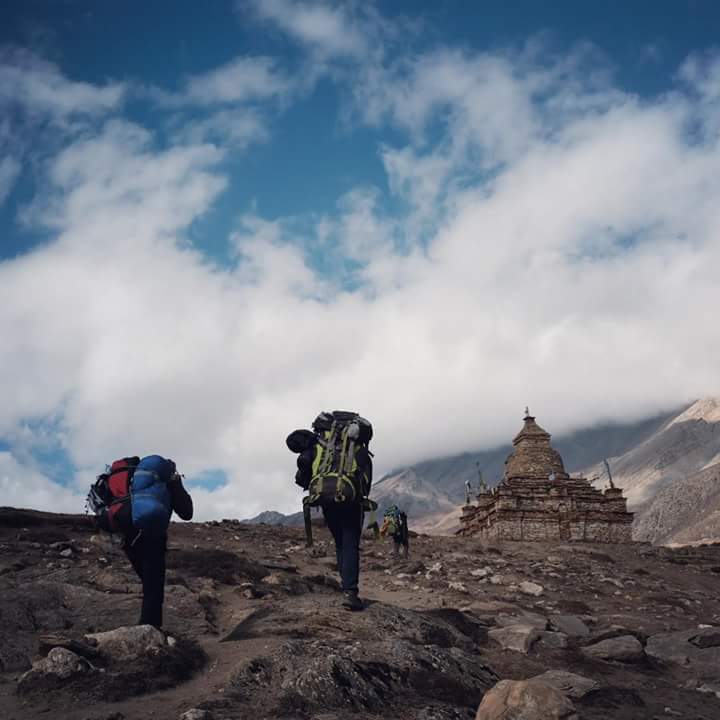
- The combination of Tibetan Buddhism and Bon religion makes the region culturally fascinating. Visiting ancient gompas (monasteries) and chortens (stupas) offers insight into a spiritual tradition that has been preserved for centuries, adding a layer of tranquility to your trek.
4. Ruins of Ancient Citadels (Dzongs)
- As you trek through the valley, you’ll encounter the ruins of citadels that were built by the early inhabitants who migrated from Tibet. These dzongs stand as a testament to the region’s rich history and provide a glimpse into the ancient fortifications that once protected these isolated communities.
5. Tashi Lakhang Gompa
- Visiting the Tashi Lakhang Gompa, one of the oldest functioning Buddhist monasteries in Nepal, is a spiritual highlight. This gompa has been standing for over 300 years, and the architecture and serene atmosphere are sure to leave a lasting impression.
6. Diverse Landscapes
- The trek offers a stunning variety of landscapes, from lush forests and river valleys to arid, barren stretches of the Trans-Himalayan region. The contrasting sceneries—from green valleys to the stark beauty of the high-altitude desert—keep the journey visually captivating.
7. Inspiring Himalayan Views
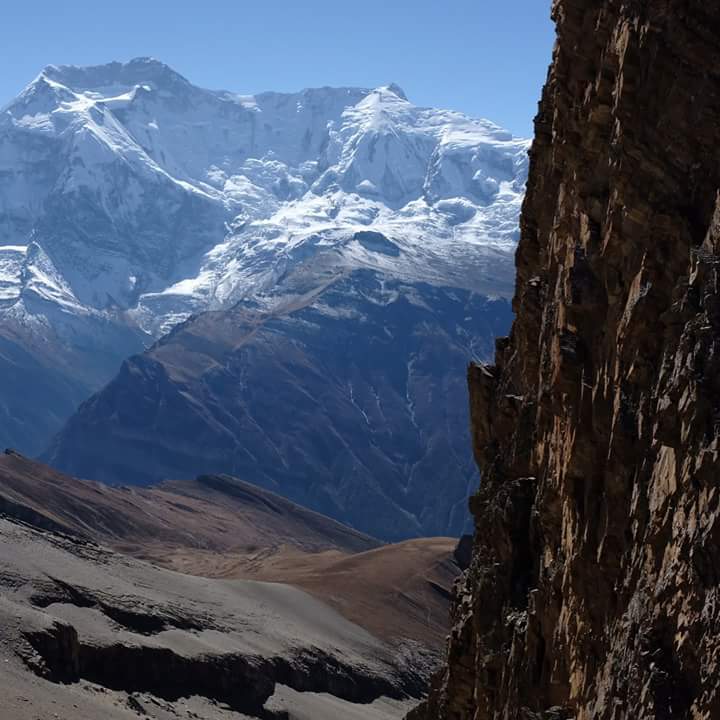
- The trek provides close-up views of some of the most iconic Himalayan peaks, including Annapurna Massif, Gangapurna, Pisang Peak, Himlung, Tilicho Peak, and many more. The towering mountains, especially from vantage points along the trail, will leave you in awe of their majesty.
8. Himlung Himal Base Camp
- For those who love high-altitude trekking, a visit to the base camp of Himlung Himal, a 7,000-meter peak, is an exciting highlight. The sheer scale of the mountains and the base camp’s atmosphere give you a true sense of being in the heart of the Himalayas.
Overview of the Trek
Day 01: Kathmandu Arrival (1,350m/4,428ft)
Day 02: Kathmandu Valley Sightseeing and Trekking preparation
Day 03: Kathmandu – Beshisahar – Chyamje (1400m)
Day 04: Chyamje – Taal – Dharapani (1950m)
Day 05: Dharapani – Timang – Koto (2670m)
Day 06: Koto – Dharmasala – Meta (3200m)
Day 07: Meta Kyang – Phu Village (4050m)
Day 08: Excursion Day to Himlung Base Camp
Day 09: Phu Village – Mahendra Pul – Nar Village (4150m)
Day 10: Explore the Nar Village
Day 11: Nar Village – Kangla pass(5320m – Ngawal(3675m)
Day 12: Ngawal – Manang (3540m)
Day 13: Manang- Pisang- Chame (2700m)
Day 14: Chame – Syange – Bensisahar (830m)
Day 15: Beshisahar – Kathmandu
Day 16: Departure Day
How To Prepare for this Trek
1. Travel from Kathmandu to Besisahar
- By Road: From Kathmandu, you need to take a bus or jeep to Besisahar
which is the gateway to the Annapurna Circuit and the start of the Nar Phu Valley trek. The journey takes about 6 to 7 hours and can be done by:- Local bus: There are regular buses that travel from the New Bus Park in Kathmandu to Besisahar.
- Private jeep/tourist bus: A more comfortable option is to hire a jeep or take a tourist bus, which can be faster and more convenient.
2. Besisahar to Koto
- From Besisahar, you will travel by jeep or local transport to the small village of Koto, which is the official starting point of the Nar Phu Valley trek.
- The road from Besisahar to Koto takes about 5-6 hours by jeep, as the route is rugged and can be slow due to the terrain.
4. Trek from Koto to Nar Phu Valley
- Trekking: Once you reach Koto, you’ll begin your trek into Nar Phu Valley. The trek is challenging, and the path passes through various remote villages, high-altitude terrain, and beautiful landscapes.
- The trek generally takes about 7 to 9 days, depending on the pace and route you take. The trail is rugged and takes you through villages like Dharmasala, Meta, and Phu, eventually leading to Nar Village.
5. Permits Required
- Special Permit: Nar Phu Valley is a restricted area, so trekkers need to obtain a Special Permit to enter. This is in addition to the regular Annapurna Conservation Area Permit (ACAP).
- The Special Permit can be obtained in Kathmandu or Besisahar with the help of a registered trekking agency for Nar phu valley Trek. It’s advisable to arrange permits in advance, as you will need to submit your trekking details and permit fees.
6. Trekking with a Guide (Highly Recommended)
- The trail to Nar Phu Valley is not well-marked, and the region is remote, so hiring a licensed guide is highly recommended, both for safety and to ensure you don’t miss out on the region’s rich cultural heritage.
- Some trekkers opt for organized treks, where the agency arranges transportation, permits, and guides.
Trek to Nar phu Valley

1. Koto to Meta:
- Lush Forest and River Views: After leaving Koto, you begin your trek through a dense forest of pine and cypress trees, with the path lying high above the Nar River. The natural beauty here is calm and serene, with the sound of flowing water accompanying you.
- Waterfall Trail: One of the highlights early on is a waterfall where the trail is carved deep into the rock, creating a dramatic, yet peaceful experience.
- Changing Landscape: As you ascend to Meta, the landscape starts to dramatically shift. The lush, green surroundings of Koto and Dharamshala give way to more barren, rocky terrain, and the tree line disappears. The area becomes more exposed, with rocky cliffs and patches of stubby grass covering the ground. The altitude begins to feel more noticeable as you near Meta.
2. Chyakhu and Khyang:
- Ruins of Fortresses (Dzongs): As you pass through Chyakhu and Khyang, you’ll encounter the ruins of ancient fortresses (dzongs). These were once built by the Khampa warriors, who fled Tibet following the Chinese invasion. These fortresses are significant historical remnants and add a rich layer to the cultural journey of the trek.
3. Phu Village:
- Following the Phu River: The trail continues along the Phu River, and you’ll pass a massive boulder standing upright, marking an interesting natural landmark along the way.
- Traditional Gate (Kani): Upon reaching Phu Village, you’ll encounter a traditional stone gate (kani) at the village entrance. These gates are common in Tibetan and Himalayan cultures, serving both as a welcoming entry and as a spiritual symbol.
- Mani Walls and Chortens: The trail leading to the village is lined with mani walls (stone walls engraved with Buddhist prayers) and chortens (stupas), which serve to protect the trekkers from evil spirits. These elements of Tibetan Buddhism provide both a cultural and spiritual atmosphere to the village approach.
- Suspended in Time: Phu Village is made up of traditional stone houses, stacked one above the other, giving it a feeling of being frozen in time. Located at an altitude of 4,070 meters, and nestled under the towering cliffs and rugged mountains, Phu has an air of old-world charm and rustic beauty. The scenery here, with its dramatic backdrops of barren cliffs and towering peaks, adds to the feeling of being far removed from the modern world.
- Return to Khyang: To reach Nar, you will first retrace your steps, heading back to Khyang and then taking the westward trail that leads to Nar Phedi. It’s always interesting how the same path can feel so different when seen from a new direction!The journey from Phu Village to Nar provides a perfect blend of physical challenge, stunning landscapes, and cultural immersion. Here’s an outline of what you can expect as you make your way to Nar:
The journey from Phu Village to Nar provides a perfect blend of physical challenge, stunning landscapes, and cultural immersion. Here’s an outline of what you can expect as you make your way to Nar:
1. Retracing Steps to Khyang:
- Return to Khyang: To reach Nar, you will first retrace your steps, heading back to Khyang and then taking the westward trail that leads to Nar Phedi. It’s always interesting how the same path can feel so different when seen from a new direction!
2. The Trail to Nar Phu Phedi and Nar Village:
- Nar Phedi Gompa: On the way, you’ll pass the Nar Phu Phedi Gompa, a significant Tibetan Buddhist monastery. The peaceful surroundings of the gompa and its spiritual significance make it an important stop along the way. The monastery offers beautiful views and a calm, spiritual atmosphere that contrasts with the physical challenge of the trek.
- Tiring Ascents: The path to Nar Village involves some steep ascents, but the magnificent views of the Himalayan mountains along the way make the effort worthwhile. The towering peaks serve as a constant source of inspiration and energy, making the arduous trek more rewarding.
- Mani Wall: As you approach Nar, you’ll pass a long mani wall, decorated with vibrant blue and white stones. Mani walls are important cultural markers in Tibetan culture, and this one in particular is beautifully crafted, adding a spiritual touch to the journey.
3. Arriving in Nar Village (3,110m):
- Traditional Village Architecture: Upon reaching Nar, you’ll find a large village surrounded by rugged mountains. The stone houses, with their intricate carved wooden doors and windows, reflect the traditional Tibetan architecture. The village is alive with activity, and you’ll notice the colorful prayer flags fluttering in the breeze, adding to the vibrant atmosphere.
- Daily Life: As you wander through the narrow alleys, you’ll see goats and ponies scampering about, coexisting with the human inhabitants. The women of Nar can be seen sitting outside their homes, weaving clothes on traditional looms or spinning yarn. This peaceful, timeless lifestyle reflects the authentic Tibetan village life that remains strong in Nar and Phu, untouched by the rapid pace of the modern world.
4. Tibetan Culture and Traditions:
- Authentic Tibetan Village Life: Nar, along with Phu, offers one of the most authentic experiences of Tibetan culture in Nepal. The remote location and rugged terrain have shielded the villages from outside influences, allowing the customs, traditions, and way of life of the Khampa people to remain largely intact. The people of Nar and Phu have lived in relative isolation, preserving their heritage in a way that many other regions of the Himalayas cannot.
A Cultural and Spiritual Experience:
The trek to Nar is not just about the physical journey but also about experiencing the heart and soul of the Tibetan way of life. The traditional houses, the vibrant colors of the prayer flags, and the peaceful, timeless rhythm of daily life in Nar will make this part of the trek one of the most memorable and meaningful. The spiritual landmarks, such as the Nar Phedi Gompa, along with the awe-inspiring Himalayan views, make Nar a truly unique destination.
The difficult terrain and isolated position of Nar and Phu have allowed the villagers to retain a way of life that many have lost in the modern world. As you explore the village, you’re not only walking through the breathtaking landscapes of the Himalayas but also stepping back in time to witness a culturally rich, untouched world.
Experience and Physical Fitness Requirements:
High-altitude Trekking Experience: Nar phu trek is not suitable for beginners. You should have experience with trekking at high altitudes (above 3,000 meters / 10,000 feet) and be familiar with how your body reacts to the reduced oxygen levels.
Physical Fitness: Physical preparation is essential. The Nar phu demands stamina and strength, especially as you ascend to high altitudes and tackle long days of trekking. Being in good physical shape will help you manage the strain of the tough climbs, steep descents, and lengthy days of hiking.
Mental Toughness:
- Along with physical strength, mental resilience is crucial. The remoteness of the region, the physical demands, and the isolation can be challenging. You’ll need to stay focused, maintain a positive attitude, and push through difficult moments, especially when crossing high passes or navigating narrow cliffside paths.
What to Do to Prepare:
Physical Training: Engage in cardio exercises, such as hiking, running, or cycling, to build endurance. Also, include strength training to strengthen your legs and core for the steep ascents and descents. Simulate high-altitude conditions by hiking in hilly terrain or doing stair-climbing exercises.
Acclimatization: Spend several days at lower altitudes before ascending to higher elevations. Gradual acclimatization is key to preventing altitude sickness. The trek is designed to allow for proper acclimatization, but it’s essential to take things slow and listen to your body.
Mental Preparation: Be prepared for the mental challenges of trekking in remote, high-altitude environments. The isolation, physical strain, and tough conditions can test your mental limits, so being mentally prepared for these challenges will help you stay strong throughout the trek


 1. Travel from Kathmandu to Besisahar