140989/2072/073


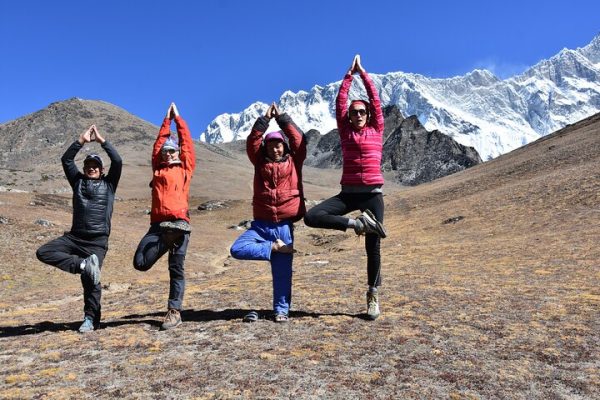
Eight of the fourteen highest peaks in the world, including Mount Everest, which stands at 8,848.86 meters, are located in Nepal. The sight of these towering giants is enough to mesmerize any trekker. You can get up close and personal with these magnificent peaks on trails like the Annapurna Base Camp Trek, Annapurna Circuit Trek and Everest Base Camp Trek, which provide once-in-a-lifetime panoramic views.
Various Trekking Paths
Nepal offers trekking experiences for all skill levels, from scenic lowland treks to high-altitude expeditions:
The Annapurna Circuit Trek, Langtang Valley Trek, and Everest Base Camp Trek are examples of classic treks.
Manaslu Circuit Trek, Manaslu Tsum Valley Trek, Upper Mustang, and Nar Phu Valley are off-the-beaten-path locations.
Island Peak, Mera Peak, and Tent Peak (Tharpu Chuli) are difficult climbs.
Whether you’re looking for adventure, solitude, or cultural immersion, there is something for everyone thanks to the variety of routes.
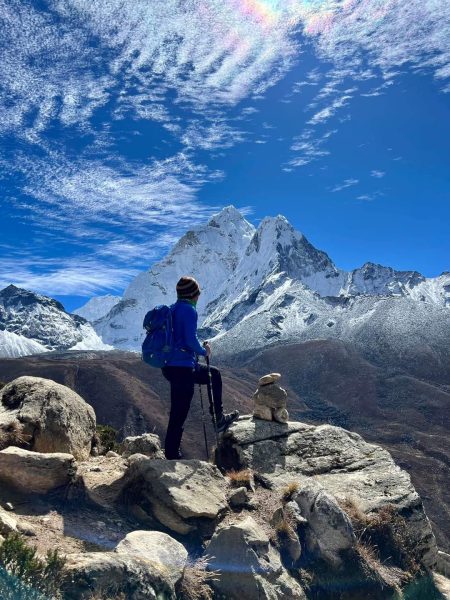
Denbuche
Adventure and Accessibility
There are many different hiking experiences in Nepal, ranging from simple to challenging. Well-established infrastructure, like as teahouses, guides, and porters, supports many of its most famous paths, enabling access to even the most inaccessible locations. Whether you’re trekking solo or with a group, Nepal delivers a safe and thrilling atmosphere.
Reasonably Priced to Travel
One of the most affordable places to go hiking is still Nepal. Permits, lodging, and meals are comparatively inexpensive when compared to other trekking locations. Trekkers can more easily concentrate on the journey rather than the details because guided hikes and porter services are reasonably priced.
Unique Experiences
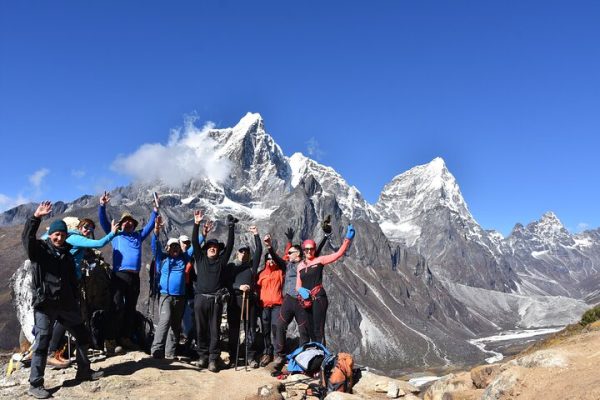
Everest Base Camp Trekking
cross-challenging passes like as Kongma La and Thorong La.
Visit places like the Annapurna Conservation Area to see uncommon wildlife.
Combine trekking with climbing on peaks like Lobuche East or Tharpu Chuli.
See holy sites like Gosainkunda Lake and Muktinath Temple.
Community and Connections
In Nepal, trekking promotes relationships with locals and other hikers. Moments that enhance the trekking experience include telling stories around a teahouse fire or seeing people celebrate regional holidays like Dashain and Tihar.
Trekking seasons in Nepal accommodate all tastes.

Trekking Season
Spring (March–May): Perfect for temperate temperatures and rhododendron blooming.
Autumn (September–November): The best views of the mountains and clear skies.
Winter (December–February): Trails are quieter and less crowded, but high passes may be covered in snow.
Monsoon (June-August): Perfect for rain-shadow places like Upper Mustang and Dolpo.
Choosing the Right Trek
For Novices: Start with shorter, easier hikes like the Langtang Valley Trek or the Ghorepani Poon Hill Trek. These paths are easy to travel, with plenty of conveniences along the way.
For Intermediate Trekkers: Trails like the Annapurna Base Camp Trek or Everest Base Camp Trek give moderate obstacles with wonderful views of Himalayan destinations.
For more experienced hikers, think about challenging paths like the Makalu Base Camp Trek, the Manaslu Circuit including Tsum Valley, or even ascending summits like Island Peak.
Permits and Regulations
Nepal has laws in place to guarantee conservation and safety. Typical permits consist of:
Trekkers’ Information Management System, or TIMS Card
Permits for conservation areas, like the Sagarmatha National Park Permit or the Annapurna Conservation Area Permit (ACAP)
Restricted Area Permits for locations like Upper Mustang, Manaslu, or Dolpo
Before you begin, make sure to arrange these permits in Kathmandu or Pokhara and review the requirements for the trek you have selected.
Porters and Guides

Guide and Porter
Hiring a guide and/or porter improves your experience, even though many treks are simple. While porters lighten your load so you can concentrate on the trek itself, guides offer insightful information on the terrain, culture, and safety. In select locations like Upper Mustang or Tsum Valley, a guide is necessary.
Safety and Health Advice
Acclimatization: To avoid altitude sickness, ascend gradually. Many treks include rest days for this purpose.
Hydration and Nutrition: Drink plenty of fluids and consume energy-rich foods to sustain stamina.
First-Aid Kit: Always bring necessities like altitude sickness medication, bandages, and pain medications.
Travel Insurance: Ensure your coverage covers high-altitude trekking and emergency evacuations.
Packing Esentials
The season and trek will determine your packing list, but essential essentials are as follows:
Moisture-wicking clothes and sturdy trekking boots
Warm layers, including a down jacket and thermal clothing
Sleeping bag rated for sub-zero temperatures (if not provided by teahouses)
Sunglasses, sunscreen, a hat, and trekking poles
Purification pills and reusable water bottles
Post-Trek Exploration
Enjoy Nepal’s other attractions after your hike:
Explore Kathmandu’s UNESCO World Heritage Sites, like Pashupatinath Temple, Boudhanath Stupa, and Durbar Square.
Visit the World Peace Pagoda or unwind by the tranquil Phewa Lake in Pokhara.
Extend your adventure with activities like paragliding, white-water rafting, or a jungle safari in Chitwan National Park.
Conclusion
Nepal is more than a destination—it’s a voyage into the essence of the Himalayas. Its gorgeous routes, kind friendliness, and rich traditions make it the best retreat for trekkers. Nepal provides an experience unlike any other, whether you’re looking for a closer bond with nature and culture or the rush of high-altitude hiking.
So put on your boots, get your soul ready, and let Nepal lead you through its breathtaking scenery. Awaiting you is the ultimate trekking experience!