140989/2072/073


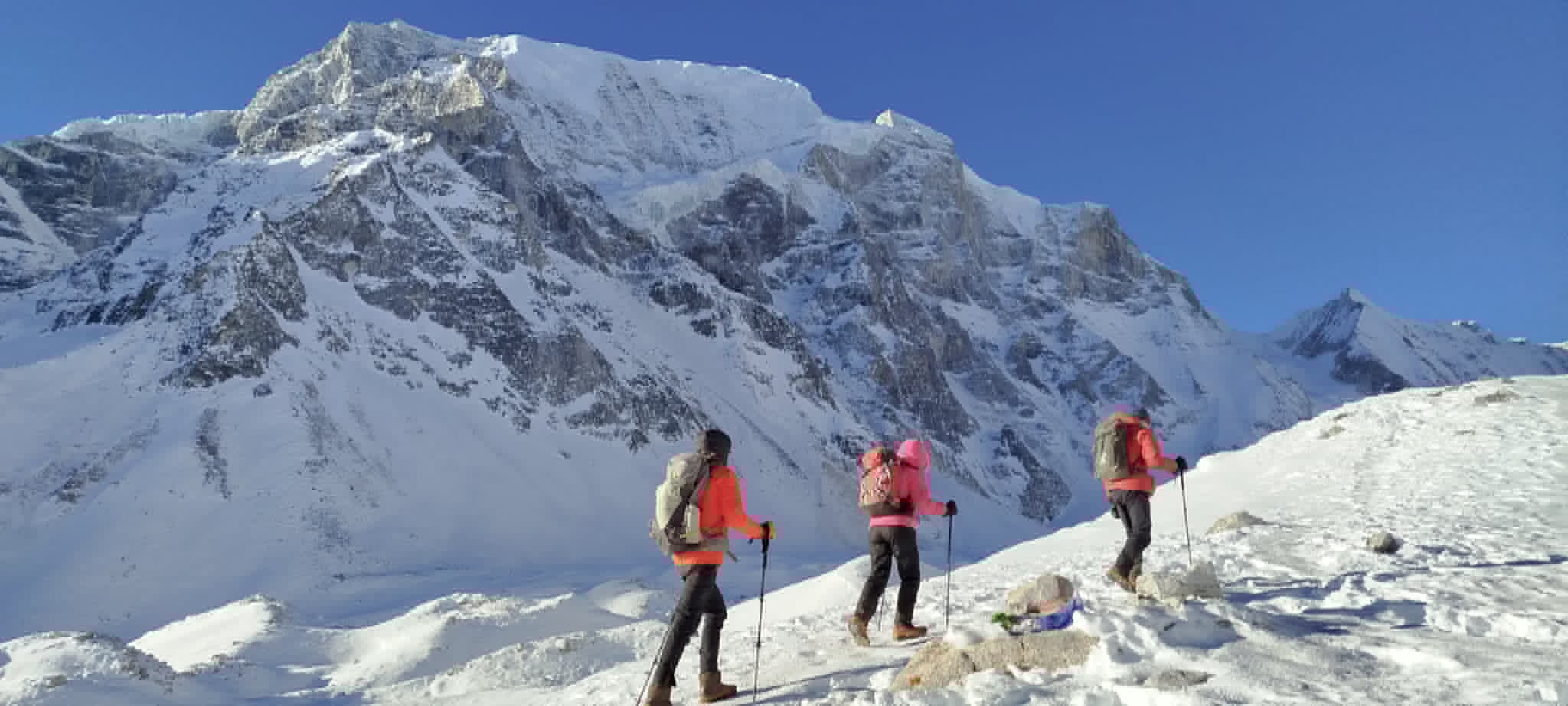
But Nepal has much more to offer than just the high and breathtaking Himalayas. A small country with an area of approximately 52,818 square miles, it is diverse geographically as well as ethnically with more than 61 ethnic groups and 70 spoken languages. You will find rich cultures and vibrant traditions, exquisite temples and monuments as well as fast flowing rivers and tropical jungles teeming with wildlife making your trip an unforgettable experience. It is the only Hindu Kingdom in the world. However, all the people from different races and religions live in harmony and there is an ideal blending of Hinduism and Buddhism.
To cross a street in Kathmandu is to travel across centuries. Shrines, temples, palaces, palace squares, ageless sculptures and legends that are parts of every brick, stone and gilded masterpiece make Kathmandu Valley a verifiable living museum.
Nepal is a landlocked country located in South Asia, nestled between China to the north and India to the south, east, and west. It is renowned for its diverse geography, which ranges from the towering peaks of the Himalayas in the north to the flat plains of the Terai in the south. Here is a detailed overview of Nepal’s geography:
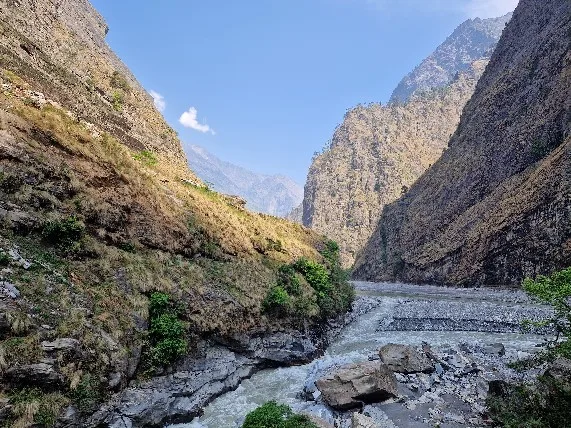
Nepal’s geography can be broadly divided into three distinct regions that run from north to south:
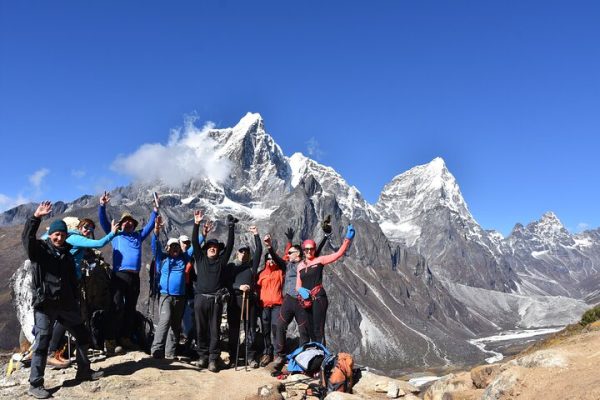
Mountain Region
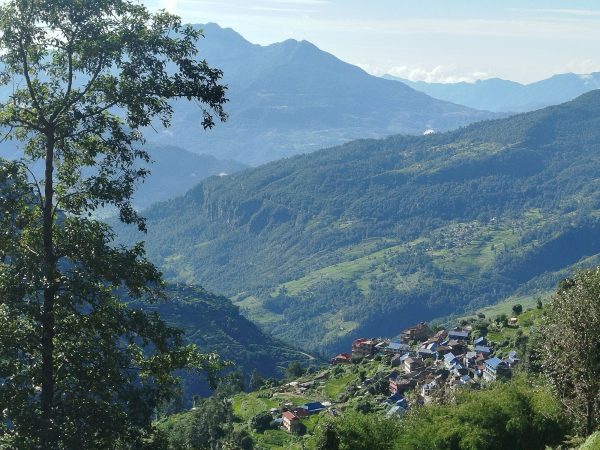
Hilly Region
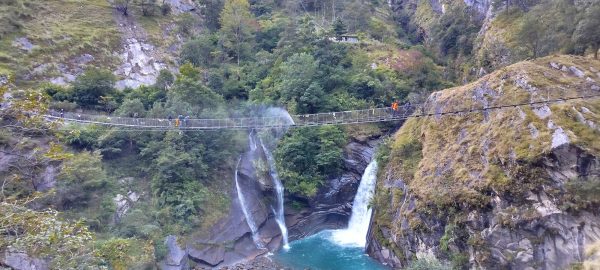
River and waterfall
Nepal is rich in rivers, most of which originate from the Himalayas. These rivers are vital for agriculture, transportation, and tourism. Major river systems include:
These rivers are essential for irrigation in the Terai and also form the drainage systems for the mountain slopes.
Nepal’s climate varies significantly due to its diverse topography:
Nepal is divided into 7 provinces, each with its own administrative and political structure. The provinces are:
Nepal’s natural beauty and geographic diversity make it a popular destination for trekking, mountaineering, and nature tourism. Major trekking regions include:
Nepal’s diverse geography, from towering mountains to lush valleys and plains, offers unique opportunities for adventure and has made the country a prime location for trekkers, nature enthusiasts, and those interested in exploring a wide range of ecosystems
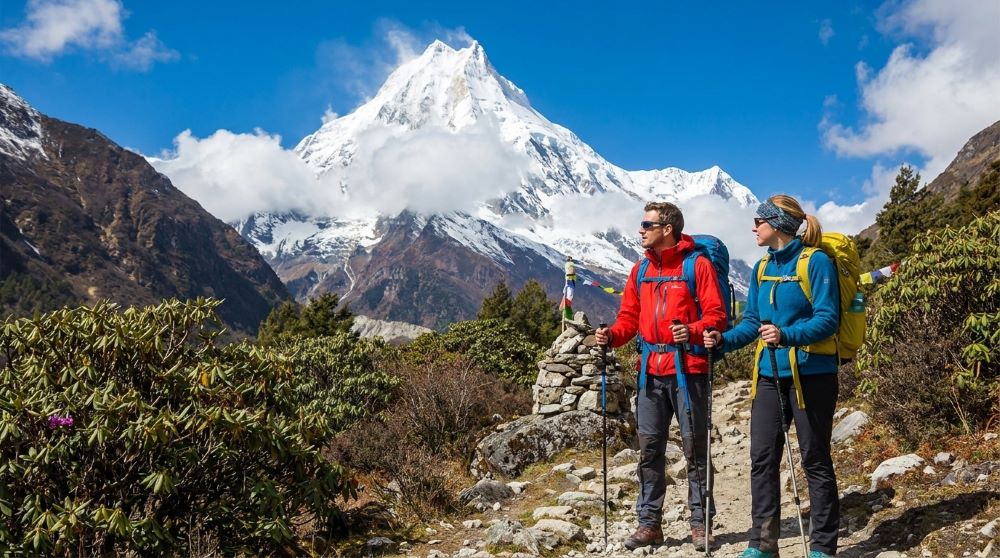
Nepal is home to the world’s highest and most beautiful mountains and some of the best trekking trails on earth. Mt Everest is 8848 meters high, and eight out of the world’s ten highest mountains are in Nepal. Trekking in the Nepal Himalayas, especially the Everest and Annapurna regions, provides world-class trekking adventures of great reward. We offer you a number of trekking tours throughout Nepal, tailored to your time, interest, and ability.
Read More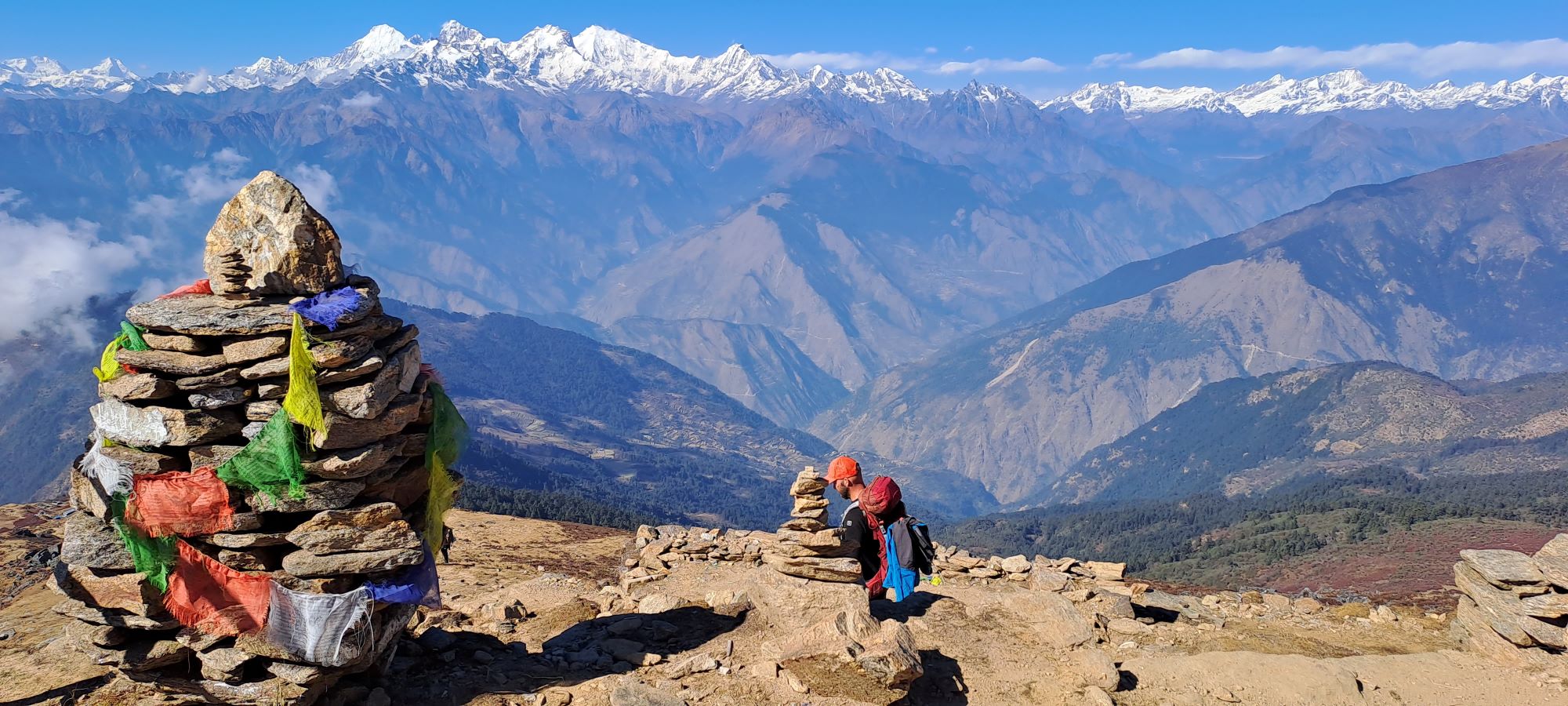
Short & Easy Trek routes cover low elevations and is more of a hiking than longer hours of trekking. But the reward is no less: you will trek along a picturesque vistas of natural and cultural landscape, journeying through quaint hamlets, observing rich flora and fauna and spectacular sunrise and sunset.
Read More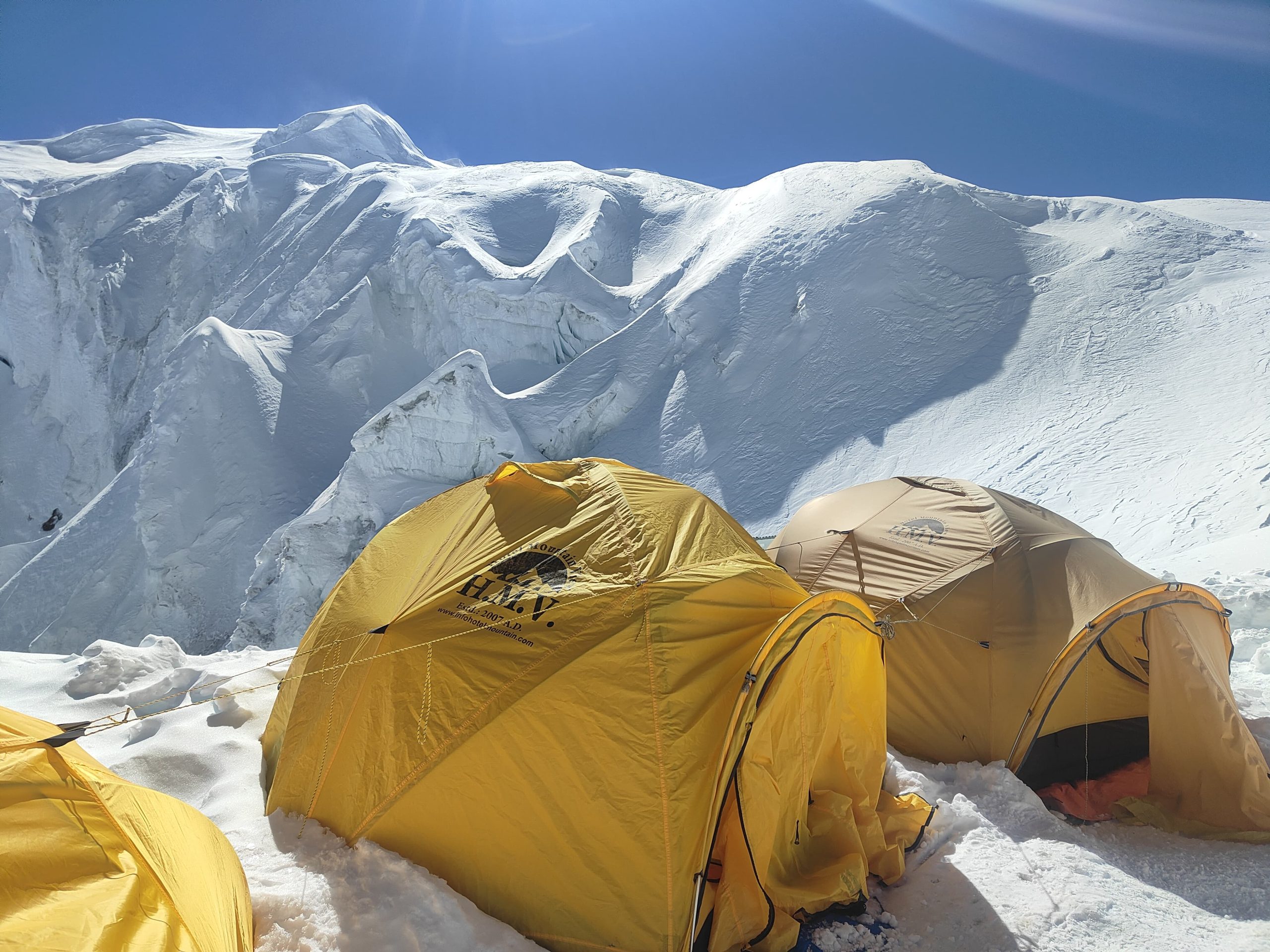
Nepal has hundreds of peaks to climb ranging from small easy peaks to big technical mountains. Nepal mountains offer the best adventure climbing and mountaineering expedition, although all the mountains and their trails are different and unique in their own ways.
Read More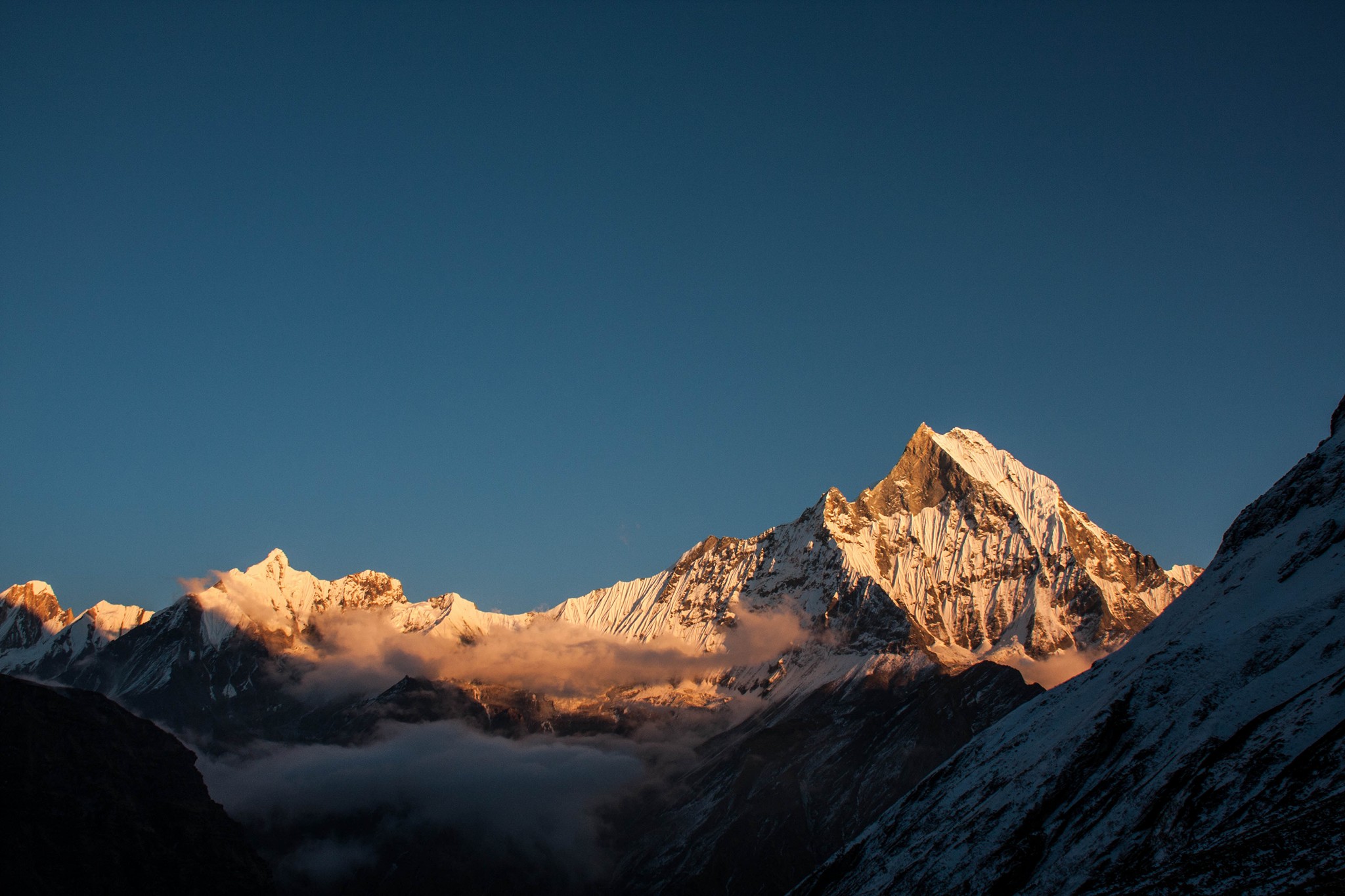
Nepal offers some of the most rewarding and breathtaking treks in the world. Most of the trekking goes popular regions of Nepal, Like Everest, Annapurna and Langtang. We are always looking for to explore a new route to explore and take the visitors off the beaten track to some of the most remote and beautiful areas of Nepal. Normally in this route you will trek along the virgin trails, discovering rare cultures and life styles and pristine nature. These routes allow you to explore some of the best parts of Nepal
Read More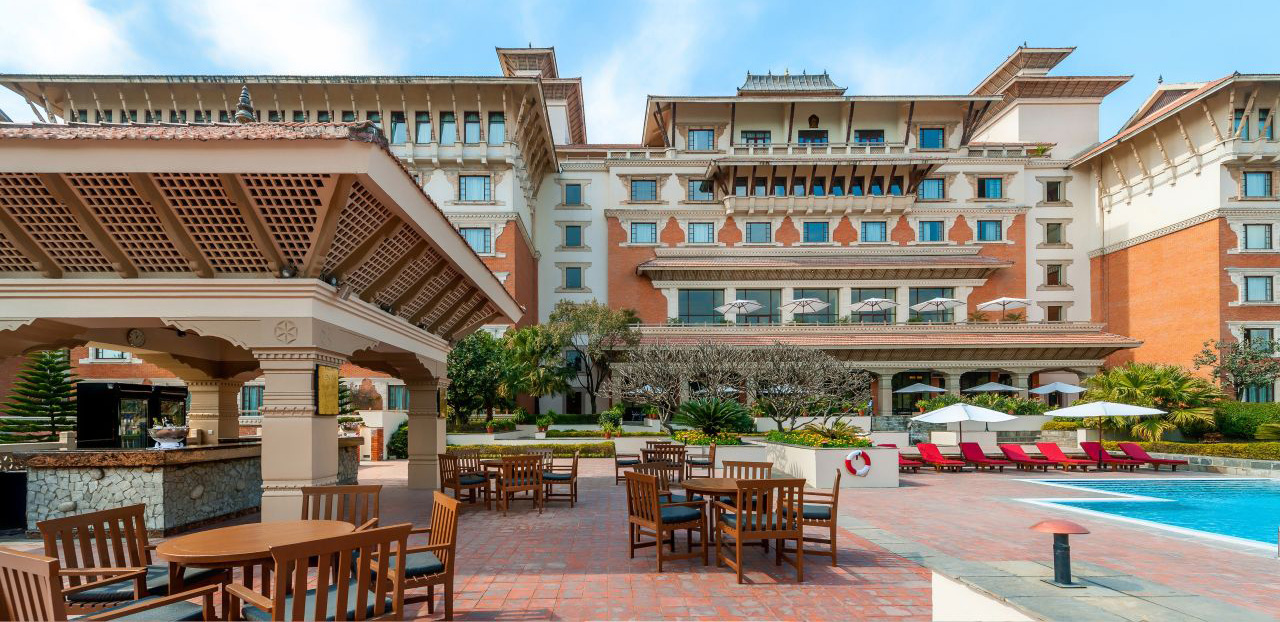
Everest Base Camp Trekking, Annapurna Base Camp Trekking, Everest View Trekking, Ghandruk Ghorepani Trekking and Upper Mustang Trekking are few trekking packages where our travel planners worked relentlessly. Their relentless work and research really created the best Nepal Luxury Trekking Packages. After years of experience in the field of organizing trekking journey to the people across the globe we came to conclusion that sustainable tourism in Nepal can only be possible through standard tourists.Nepal Luxury Trekking Packages is highly concerned about guests’ safety, adequate information and high quality logistics support. Therefore, during every trekking trip we provide you highly experienced trekking guides and support crew members. Book any of our luxury trekking in Nepal packages and explore this great Himalayan nation in regal way.
Read More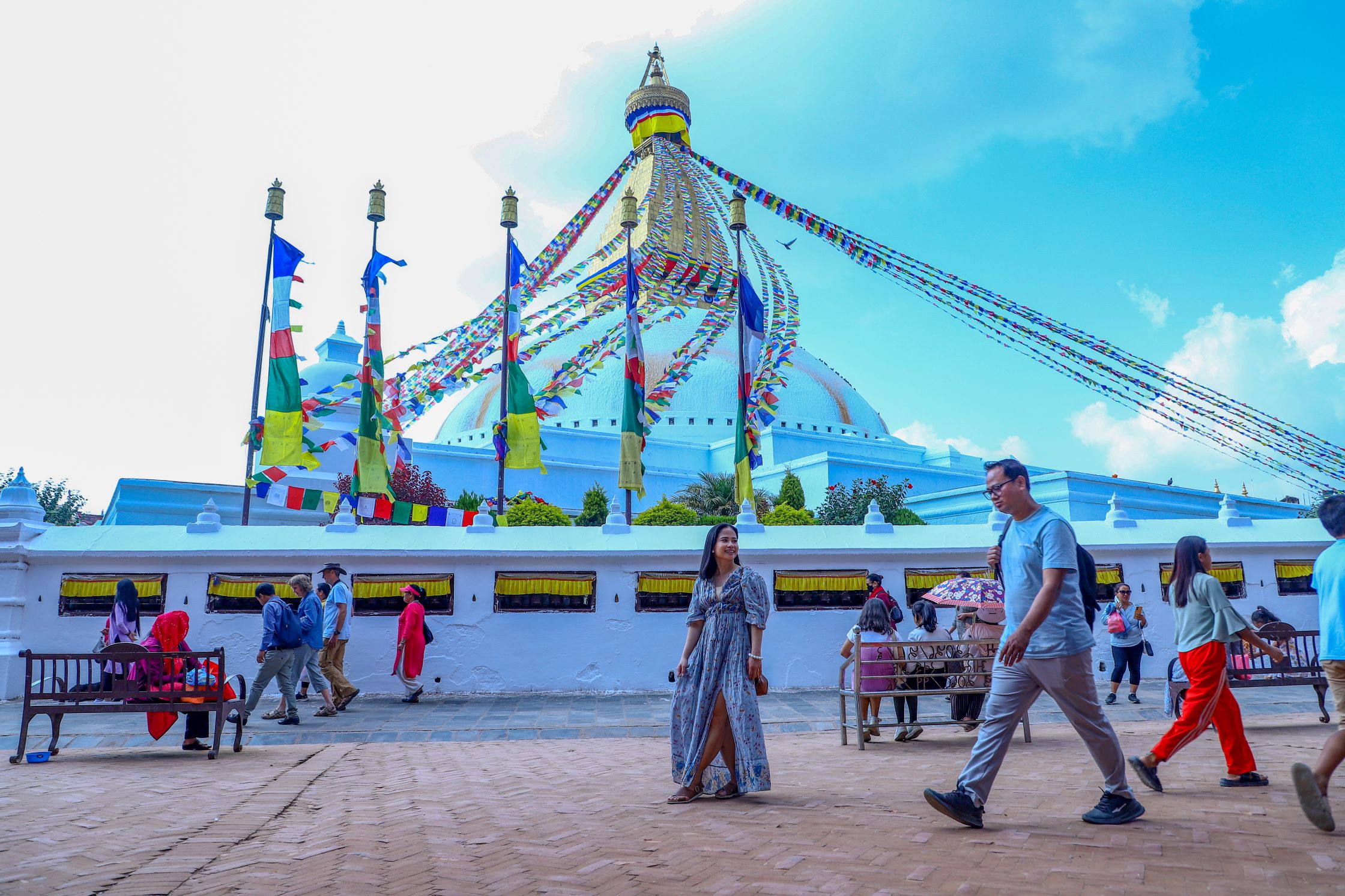
Nepal is one of the best countries for sightseeing, with its long history, fascinating art and distinctive and varied architecture. The vast diversity of people, their culture, language and traditions will intrigue anyone.
Read More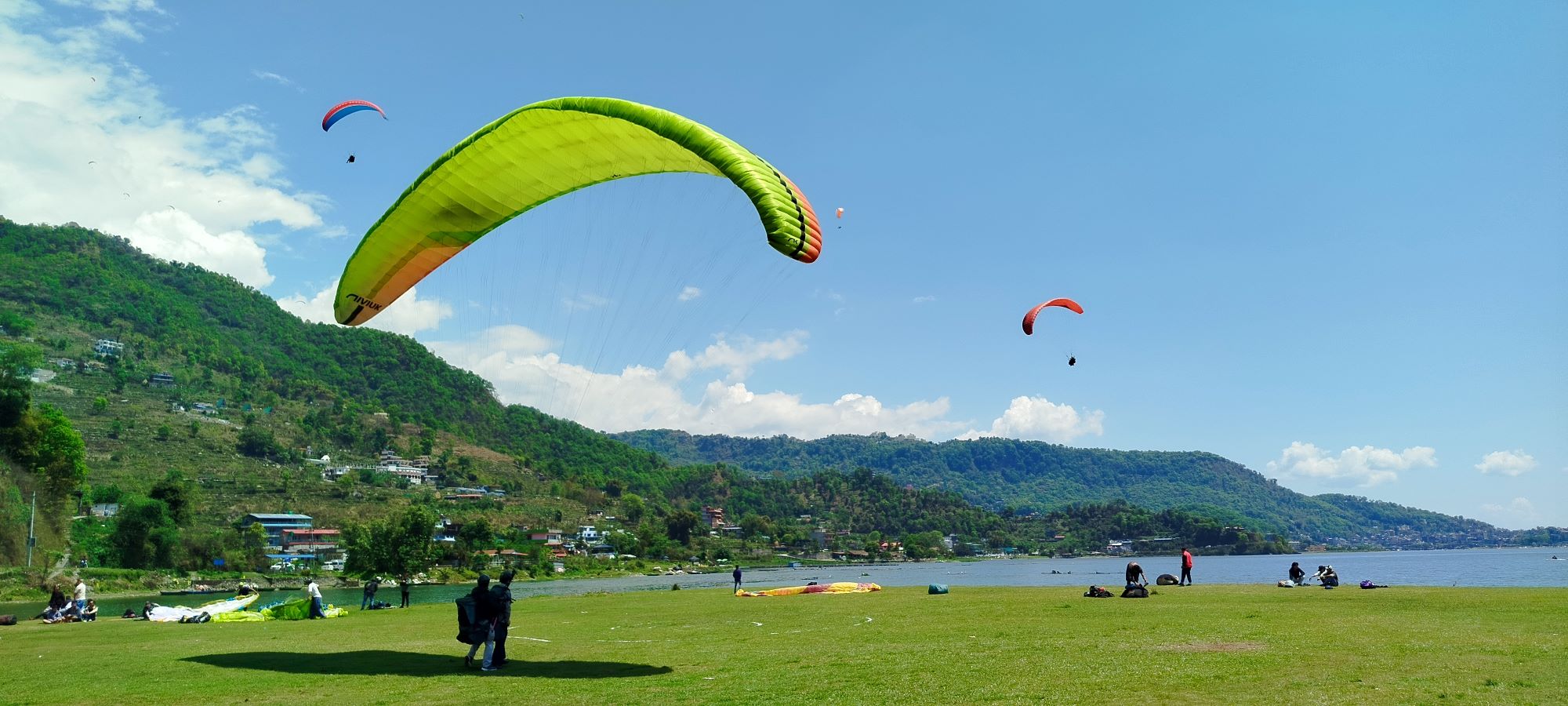
Nepal not only offers an abundant choice when it comes to trekking- the options for other things to do is almost limitless! You can easily fill your spare days in Nepal seeking adventures through many different activities.
Read More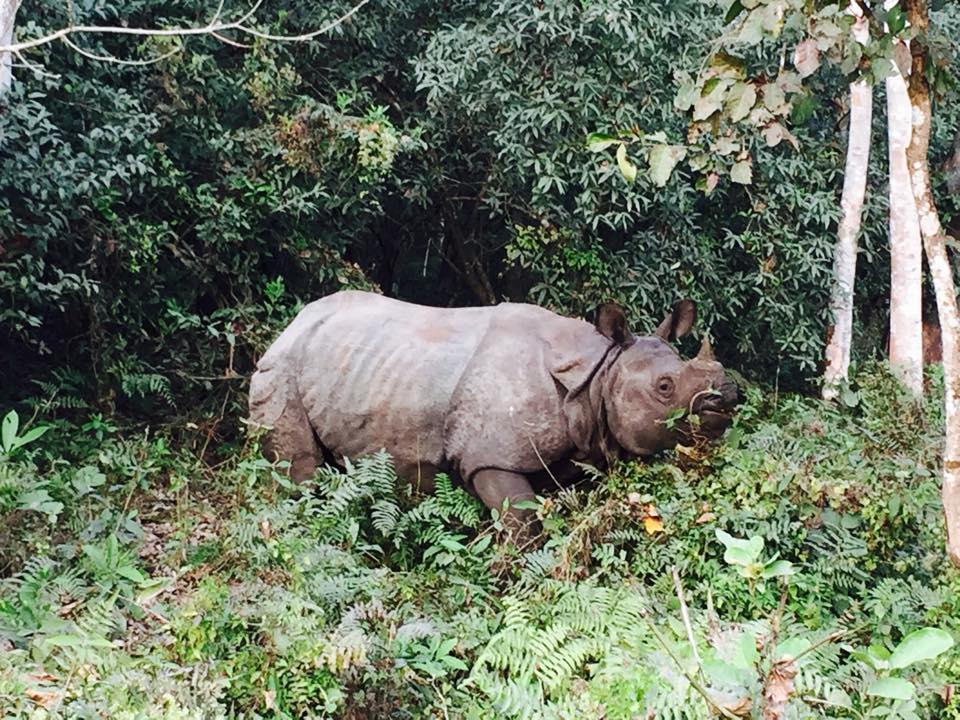
Nepal is rich in lush green wildlife. The tropical jungles of the Terai preserve some of the best wildlife habitat that can be found in Asia. Out of the total geographical area of Nepal, 16% is occupied by National Parks, wildlife reserves and conservation areas.
Read More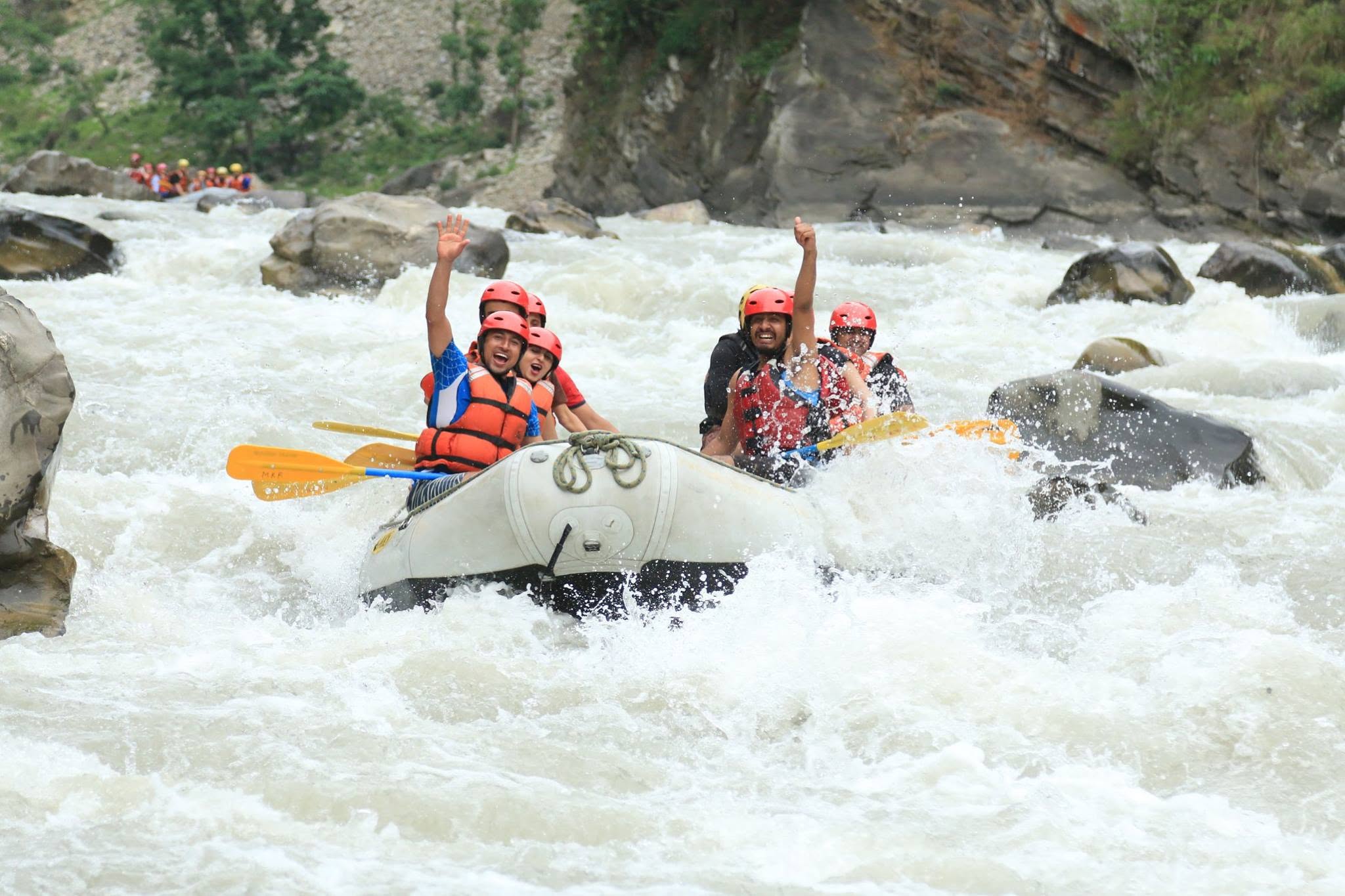
When it comes to white water rafting and kayaking, Nepal has rivers to cover every level of white water activity. After the monsoon rains, the rivers are adrenaline packed for all adventure seekers. In this mountainous country you are spoilt for choice when it comes to white water.
Read More