Manaslu Circuit Trek


Trek Highlights
- Unparalleled alpine experience
- Rich culture heritage
- Unsurpassed beauty, and biological diversity
- Real Tibetan culture, real life and unexpected variety
- High-Altitude Adventure
- Ecological Diversity
- Ancient Monasteries and Gompas
- The region, which is home to both Tibetan and Nepalese ethnic groups, is known for its rich culture and friendly people.
Manaslu Circuit Trek is one of the most adventurous and complete trekking routes in Nepal. It’s a popular rural trail in the central Himalayas. Especially for thrill-seekers wanting an exceptional trekking experience in the region.
The Manaslu circuit leads to a stunning view of the eight- highest mountain in the world and circles the manaslu conservation ara. if you have already visited the annapurna circuit, this trek might be the fantastic substitite. The manaslu circuit trek begins from kathmandu drive to machha khola and finishes at beshi sahar, with an extra side hike to thw Tsum Valley, it can be extended to more days. it is one of the most elegant of 8000-meter giants, bordered to west by annapurna and to the east ganesh himal.
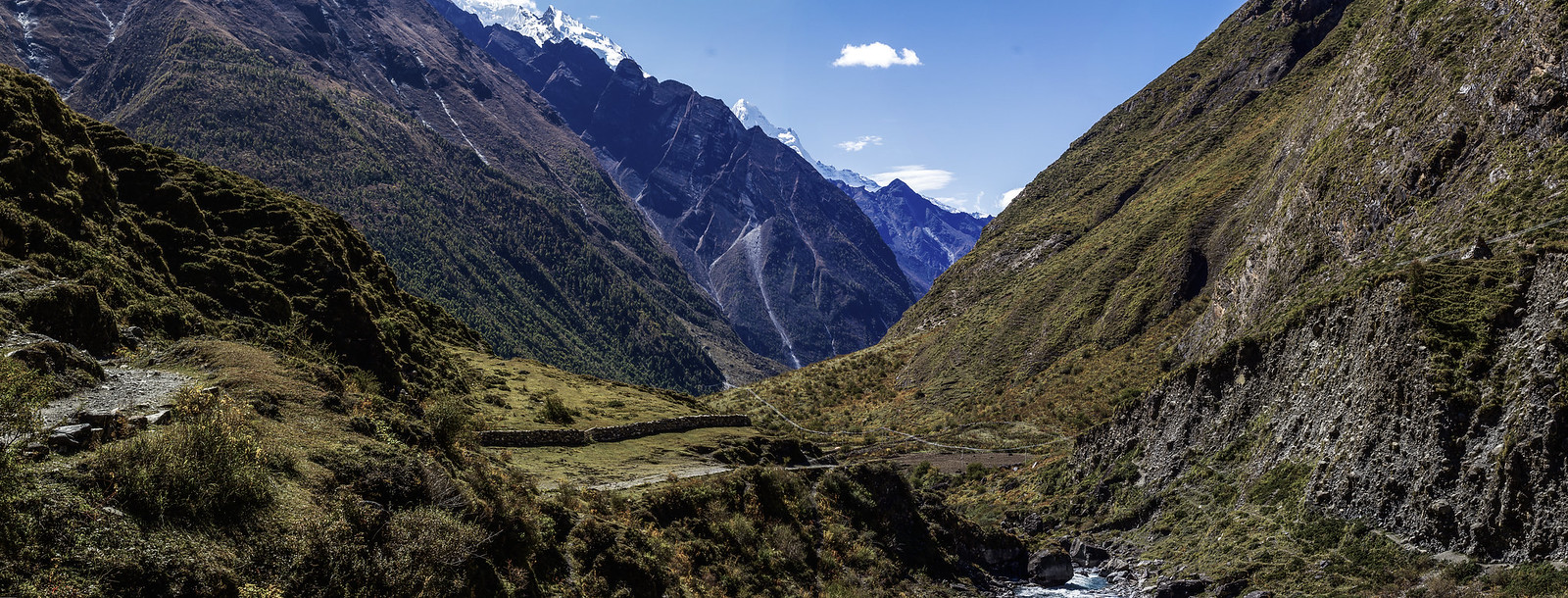
The route passes through the majestic gorges of the Budi Gandaki, with their turquoise waters and breathtaking waterfalls, after leaving the steamy lowlands with their rice and millet terraces.In terms of height and length, the suspension bridges on the Manaslu trek are unparalleled, and the annual monsoon frequently washes away smaller bridges, forcing hikers to rely on semi-submerged rocks.Even though it was only made accessible to 400 hikers in 1992, this trek still feels like a trailblazing undertaking.
The Manaslu circuit trek is a visual feast from beginning to end, but you’ll need to be in good physical condition if you want to experience what trekking was like in the 1980s. You wind your way slowly north to the snow-capped Larkya La Pass, which is located next to the Tibetan border.The breathtaking views of Manaslu almost make up for the altitude issue. Larkya La Pass, which is 5,167 meters (16,952 feet) high, is typically covered in snow and frozen. On the descent, micro crampons are frequently utilized. To reach the peak before the winds arrive, which is typically in the middle of the morning, trekking to the pass must begin at 4 am.
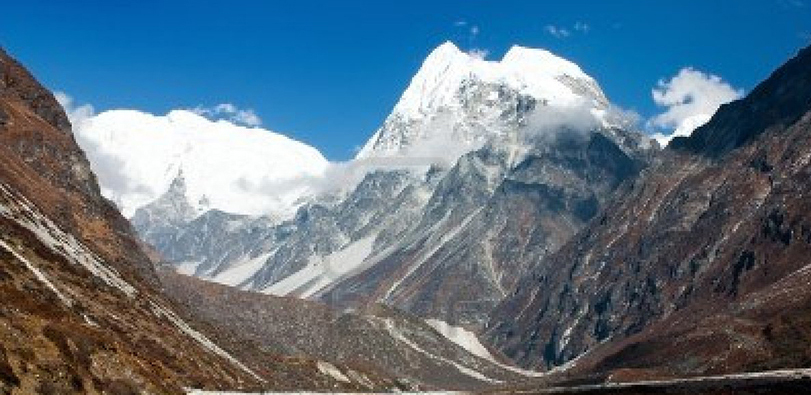
A clear view can be seen from the pass when you look back the way you came, but the most breathtaking view is unquestionably obtained after leaving the pass and walking west along a corridor. A massive glacial cirque suddenly appears Annapurna II rises ahead as a stream of glaciers is thrown down by a magnificent wall formed by Cheo Himal, Himlung Himal, Nemjung, Gyaji Kang, and Kang GuruThe hike is worth it just for this view.
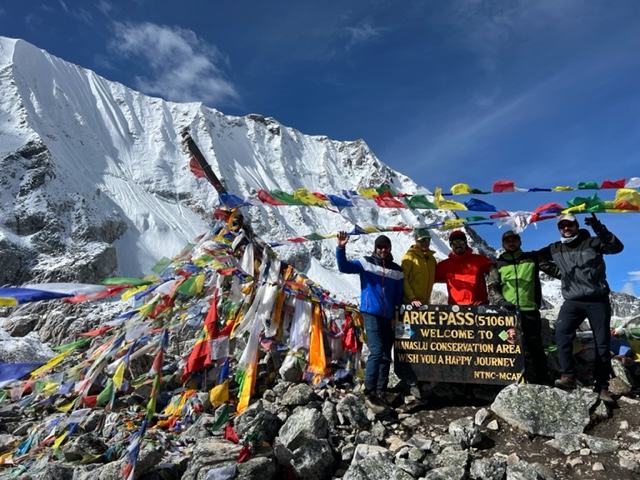
Staying at the locally operated homestays and teahouse, one can witness the bliss of authenticity here. The monasteries, Chortens, and monuments of the Manaslu Conservation Area make this trek an ideal substitute for the Annapurna Circuit. The Larkya La Pass (5106 m) is a fantastic feat with the views of snow-capped peaks touching the horizon.
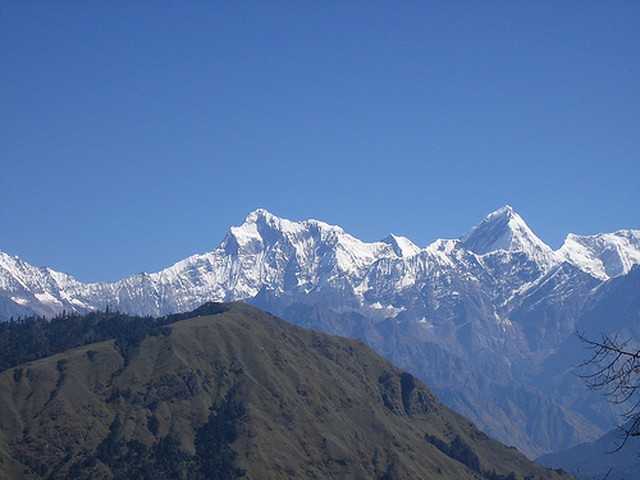
Mt Manaslu is situated as the 8th highest peak in the world (8163m), listed in the world’s best Heritage sites. It is the witness of the ultimate richness in local heritage and geographical diversity of the region. So, it has been popular among travelers and adventure seekers. It’s located in the Western region of Nepal. Gumba, Monasteries, and Shrines represent the Hindus and Buddhist traditions. Yak, Sheep, and Chauri are the domestic animals used in domestic products. Such as Churpi, Woolen clothes, and many more products supplied all over the world. Some of the well-known villages you can reach to experience the Himalayan lifestyle are Sama Gau, Tatopani, Larke Bazaar, and many others.
Day 01: Arrival at Tribhuvan International Airport (TIA), Kathmandu & Transfer to Hotel
Day 02: Sightseeing in Kathmandu and Trek preparation
Day 03: Drive from Kathmandu to to Maccha Khola ( 930 m / 3,051 ft): 8 – 10 hours
Day 04: Trek from Maccha Khola to Jagat ( 1,340 m /4,396 ft): 6 – 7 hrs
Day 05: Trek from Jagat to Deng (1,804 m / 5,918 ft): 6 – 7 hrs
Day 06: Trek from Deng to Namrung (2,630 m / 8,628 ft): 6 – 7 hrs
Day 07: Namrung to Lho -gaun(3180Meters/10430Ft)
Day 08: Lho- gaun to Samagaon (3530m): 3 – 5 hours
Day 09: Acclimatization at Samagaon.
Day 10: Trek from Samagaon to Samdo (3,865 m / 12,680 ft):
Day 11: Acclimatization Day (Day Trip to Tibet Border)5,000 m/ 16,404
Day 12: Trek from Samdo to Dharamsala (4,460 m / 14,632 ft)
Day 13: Dharamsala via Larkya la (5106m) to Bhimthang (3,590 m/ 11,778 ft)
Day 14: Bhimtang to Gho (2,550 m).
Day 15: Gho (2,550 m) to Dharapani (1,910 m) and Drive to Besishar(760M)
Day 16: Drive to Kathmandu (1320m)
Day 17: Departure Day
Day 01: Arrival at Tribhuvan International Airport (TIA), Kathmandu & Transfer to Hotel
After you land, one of the representatives from Himalayan Sanctuary Adventure will be waiting to receive you at the airport. After a brief introduction, you will head towards the hotel in Thamel. After some rest, visit us at our office. We will introduce you to our staff and guides for the Manaslu Trek.
Overnight at Kathmandu.
Day 02: Trek Preparation and Explore Kathmandu Valley(4 – 6hr)
Today first you will explore numerous UNESCO world heritage sites in Kathmandu. These include the Swyambhunath Stupa, Pashupatinath Temple, Boudhanath Stupa, Kathmandu Durbar Square and, many other places. It will be a mesmerizing moment here in Kathmandu to witness the beauty of nature, and different cultures with different temples, architecture, and monuments. End of the day you will be well prepared for the Manaslu trip with the required stuff needed during the trip.
Overnight at Hotel
Day 03: Drive to to Machha Khola (930 m / 3,051 ft)8 – 10 hrs.
It will take about seven hours to reach Arughat from Kathmandu. Our journey will begin early in the morning after breakfast. You’ll drive along the Highway to Arughat than to machhakhola through beautiful paddy fields, Warm villages following the Budhi Gandaki River, and climb over and down Kyoropani to the Budi Gandaki junction and the Soti Khola to machhakhola. Although the path is rough, you will the witness the stunning scenery of the countryside view that will be more engaging.
Driving Distance – 160 km / 99 miles
Overnight at a Teahouse/lodge
Day 04: Machha Khola to Jagat (1,340 m /4,396 ft):
We resume our journey from Machha Khola following Tharo Khola through the narrow path and finally to Khorla Besi. After a few times will reach the most popular hot spring, Tatopani. We can relieve our stress and tiredness by taking a hot bath in Tatopani. Then we will cross the Suspension bridge of the Budhi Gandaki River to reach Thado Bharayag. Walking along the river we will reach Jagat village.
Trek Distance – 14 km / 8.6 miles
Overnight at a lodge/teahouse
Day 05: Trek toward Deng ( 1,804 m / 5,918 ft)
Resuming our trek, initially, we climbed a rocky cliff towards Siribas and continued toward Ghatte Khola. Crossing the suspension bridge we’ll reach Philim village, the settlement of the Gurung community. You will have lunch and continue your journey from grassy slopes and some cliffs to cross over Budi Gandaki to reach a small village called Deng. We will rest for the day here.
Trekking Distance – 19.9 km / 12.3 miles
Overnight at a Teahouse/lodge
Day 06: Deng Village to Namrung (2,630 m / 8,628 ft)
We begin our trip by crossing over the Budhi Gandaki Bridge to climb a bit far to join the trail from Bhi. Headed through the forest, green valley, and houses of ethnic groups of the Manaslu region. The trail was then processed to Ghap through several landscapes. You should follow the instruction of your guide and be extra concerned about the path. After all the obstacles we finally reach up to Namrung Village. After a wonderful sunset from the village, we will rest for the day.
Trekking Distance: 20 km / 12 miles
Overnight at a Teahouse/lodge.
Day 07: Namrung to Lho -gaun(3180Meters/10430Ft)
After breakfast in the morning around 7 at our teahouse in Namrung, we start hiking which is framed by stunning mountains views.
As we travel toward Lho (3,180m), we will have the majesty of these mountains. To get to Lihi (2,920m), we then hike a strenuous trail through a jungle. As you pass through Namrung, the vegetation will start to change and become more alpine. Tibetans make up a large portion of the population in the region before Namrung. Barley-filled fields and captivating chortens can be seen in Lihi. You can see the Lho settlement and Mount Manaslu (8,163m). in the evening you can visit monastery near Lho
Trekking Distance: 11 km
Overnight at a Teahouse/lodge.
Day 08: Lho-Gaun to Samagaun ( 3.530 m / 11,581 ft)
As we start our trip from Namrung to pass through Banjam, Lihi, Sho, Lho, and Sayla We’ll aim to reach Samagaun from Lho. Heading toward the Lihi, there will give you a view of Ganesh Himal, Naike Peak, and Himchuli Peak. Continue our trek, it takes 2 hour to reach Sayla from Lho. While on Sayla, we will witness the views of Nadi Chuli, Manaslu, Himalchuli, Manaslu, Nike Peak, Siring Himal, and more. We’ll reach Samagaun in the afternoon for Lunch.
Trekking Distance: 8 km
Overnight at a lodge/Teahouse
Day 09: Acclimatization at Samagaon.(Manaslu Base Camp or Pungyen Gompa): 5 – 7 hours of exploration
Today you will explore the Samagaun Village, you are about to know the traditional and cultural Monasteries, as well as the geographical cultivation such as potatoes and barley, flourish. Most people prefer to wear woolen clothes made up of sheep’s wool and involve in the manufacture of blankets, and rugs for trade. Monasteries have impressive designs and carvings which reflect the history of Tibetan settlers. There exist 8 different monasteries and among them, Pemba Chholing Gompa is the largest. You can witness the wonderful view of Manaslu, as well as the beautiful lake that lies, ascend of monasteries. After trekking for 5-6 hours, we will arrive at Manaslu Base Camp. You can also visit Pungyen Nunnery (3870m) lies above Pungyen Glacier.
Trekking Distance: 11 km / 6 miles
Overnight at a lodge/Teahouse
Day 10: Samagaun to Samdo (3,865 m / 12,680 ft):
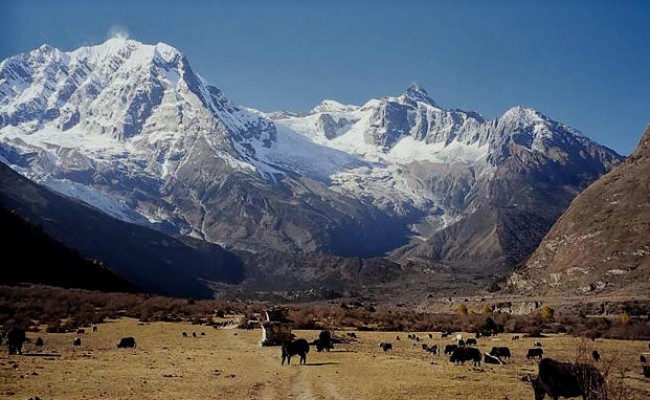
Resuming today’s trek descends towards Budi Gandaki. The journey is relatively easy and it lies above the self above the Gandaki River. You will get to see the stone arch and plane granny land before you enter the village. Attractive place, get to see yaks and goats around the fields and the stunning view of Samdo Peak (6335m). In about 4-5 hours, we will be in Samdo village.
Trekking Distance: 10 km / 6 miles
Overnight at a Teahouse/lodge
Day 11: Acclimatization Day (Day Trip to Tibet Border)5,000 m / 16,404 ft 6– 8 hrs
Day 12: Samdo to Dharmashala (4,460 m / 14,632 ft): 3 – 4 hour
We start our day trek by crossing over the Budi Gandaki River after some ascending hike you will be seeing a glimpse of the Larkya glacier. Visiting around the valley and a way upward again to reach the Dharmashala.
Distance: 7 km
Overnight at a lodge/teahouse
Day 13: Dharmashala to Bimtang via Larkya La (5106m) 7-9hr
After breakfast we will head toward Larkya glacier in the north direction offer a clear view of Larkya Peak and Cho Danda. From here we start the trek to reach Larkya La Pass which is the highest point of our whole trek. The climb is challenging and in some steep sections, you should follow the instructions of the guide properly. One can have a panoramic view from the Pass. After some time here, we’ll start our long descent to Bimthang. Rest for the day after reaching Bimthang village.
Trek Distance –24.7km / 15.3miles
Overnight at a lodge/teahouse
Day 14: Bimtang to Gho (2,550 m). Trek time: 5 – 7 hrs
The trek must have been difficult yesterday, but you can rest easy knowing that it won’t be too taxing today. In order to reach Karche, a farmed area close to the top of the Budhi Gandaki valley, you must first descend to the Budhi Gandaki River and cross it to enter the rhododendron forest. To get to Gho,
Trek Distance –16 km
Overnight at a lodge/teahouse
Day 15: Gho (2,550 m) to Dharapani (1,910 m) and Drive to Besisahar
Today, we descend to Dhud Khola. We cross through the forest full of Rhododendron and pine to reach Dharapani, we will catch a Jeep from Dharapani to Besisahar. As the last walking day of the Manaslu Circuit, you will have plenty of scenery to enjoy throughout the trail.
Trek Distance – 6 km
Overnight at a teahouse/lodge
Day 16: Drive Back to Kathmandu from Besisahar(760M)6 – 8 hr
We will catch a Local Bus from Besisahar to Kathmandu. After the successful trek, we will transfer you to your hotel. Rest for a while and join us for a farewell dinner. Share some stories and feedback as well for the team.
Driving Distance – 175km
Overnight at a hotel in Kathmandu.
Day 17: Departure Day
On your last day in Nepal, head out for a brief souvenir shopping session near the hotel in Thamel Market. We will pick you up from the hotel and transfer you to TIA before the departure. The Manaslu circuit will remain with you forever alongside the lifelong memories and experiences from the trek with Himalayan Sanctuary.
Cost Included
- Pickups and Drop up.
- 3 Star Category Accommodations including Breakfast in Kathamndu
- Teahouses/Lodge Accommodation including Breakfast, Lunch, Dinner during the trek
- Kathmandu Valley Sightseeing
- Farewell dinner at the end
- Himalayan Sanctuary Adventure Duffel Bag
- Transportation by private Jeep
- An experienced English-speaking Trekking Guide, and porters to carry luggage (2 trekkers: 1 porter) including their salary, insurance, equipment, flight, food, and lodging
- All necessary paperwork and permits (ACAP, TIMS )
- Trekking insurance for all support crews
Cost Excluded
- Nepalese visa fee
- International airfare to and from Kathmandu
- Excess baggage charges
- Tour Guide and Entrance Fees for Sightseeing
- Lunch and dinner in Kathmandu
- Extra night accommodation in Kathmandu in case of early arrival, late departure, and early return from the mountain(due to any reason) than the scheduled itinerary
- Travel and rescue insurance
- Personal expenses (phone calls, laundry, bar bills, Tea, Coffee,hot and cold drinks, WiFi, battery recharge, extra porters, bottle or boiled water, hot shower, etc)
- Tips for guides and porters
Features of Manaslu Circuit Trek
- Relatively new but Less crowded trail
The Manaslu region’s forests, rivers, and vegetation are breathtakingly beautiful.
The region, which is home to both Tibetan and Nepalese ethnic groups, is known for its rich culture and friendly people.Larkya La Pass, the trek’s highest point, at 5,167 meters (16,952 feet).
Beautiful views of some of the world’s highest peaks, such as Annapurna II, Himlung Himal, and Mt. Manaslu (8,163m); a wealth of wildlife, such as Tahr, Agali, Pika, Himalayan Marmots, and, if fortunate, snow leopards
Experience the distinctive fusion of Nepalese and Tibetan ethnic groups as you immerse yourself in the rich culture of Sama Gaun and Samdo.
See streams of glaciers cascading down a massive glacial cirque created by peaks like as Gyaji Kang, Kang Guru, Himlung Himal, Nemjung, and Cheo Himal.
Accommodation during the Manaslu Circuit Trek
The basic and cozy teahouses and lodges are accommodation types on the Manaslu Valley Trek . The simple facilities like beds, blankets, and pillows are there inside the room. Charging ports are mostly in the dining area. The attached bathroom is only in the lower regions and as you go higher washrooms are outside the teahouse. Pay an extra cost for services like Wi-Fi, laundry, hot showers, boiled drinking water, and charging electronic devices.
Meals during the Manaslu Circuit Trek
Full board 3-course meal breakfast, lunch, and dinner are served during the Manaslu Circuit Trek. The region is remote hence the meal varieties are limited. The most popular served meal is Nepali Dal-Bhat along with fresh green vegetables and pickles. Besides Dal-Bhat, other foods such as soup, noodles, eggs, hot tea, etc. are served. The meals are healthy and hygienic as well.
Drinking Water during the Manaslu Circuit Trek
Getting drinking water in the Manaslu region is easy. You can either pay a bit extra at the teahouses to fill your water bottle or buy bottled water. It’s a good idea to carry a water bottle and water purification solutions for safety.
Internet and Phone Networks during the Trek
In the lower areas of Manaslu, the internet and phone signals are stable. But as you go higher, it gets difficult to find a network. For using Wi-Fi, pay extra at the teahouses or get a local SIM card with data. In case of emergencies, there’s a satellite phone available.
Best Season for the Manaslu Circuit Trek
The best times for the Manaslu region trek are spring (Mar-May) and autumn (Sep-Nov) when the weather is clear and pleasant. But avoid rainy and winter treks unless you’re experienced. During rainy and winter seasons, the trails are slippery, muddy, or snowy, with limited accommodations. The weather and temperature are also not favorable so, plan wisely if you wish to trek in the off-season.
Manaslu Circuit Trek Difficulty
The remoteness and rugged trail make the Manaslu Circuit Trek quite challenging. There are lots of ascends and descends, elevation gains, and changing weather are other challenging factors. Also, the facilities are basic and limited. However, with good planning and preparation, it’s achievable. We suggest doing exercises, day hikes, and getting medical check-ups before going. Trust our guidance for a safe trek.
Altitude Sickness and Preventions during the Trek
Altitude sickness is normal in the mountains of Nepal. Thus, taking rest days for acclimatization during your trek is vital. Use these days wisely by going on short hikes and exploring nearby areas. This helps to prevent altitude sickness and adjust to the high-altitude environment. Altitude sickness can be managed by recognizing its symptoms and following preventive advice.
Symptoms of altitude sickness are
- Headache
- Lethargy
- A drop in performance
- Loose of motion
- Insomnia
- Appetite loss
- Dizziness
- Nausea
- Vomiting
Preventive measures for Altitude Sickness are:
- Stretch and warm up before trekking.
- Stay hydrated with regular water intake.
- Ascend gradually and rest well.
- Avoid salt, alcohol, and smoking.
- Urinate frequently.
- Descend if feeling unwell.
- Consult guides for medicine
Fitness Level during the Manaslu Trek
Trekking to Manaslu Trek is tough, so being fit is important. Trekkers are required to walk 6 – 7 hours a day on rough off-beaten trail paths. The elevation gain is another challenging part. Hence, trekkers should have good fitness levels. Prepare for the trek by exercising regularly for a few months and building stamina before the trek. Also, see a doctor to make sure you’re healthy enough for the trek.
Travel Insurance during the Trek
Get travel insurance before your Manaslu Trek as it is vital. It helps with medical costs and emergencies like lost luggage or flight issues. Make sure it covers altitudes over 4,000 meters for complete protection and a worry-free journey.
Guides and Porters during the Manaslu Trek
Our experienced guides prioritize safety and come prepared with essential gear and first-aid supplies. Skilled porters handle the luggage, ensuring a secure and memorable journey. Trust our team for a well-planned itinerary that emphasizes acclimatization, ensuring a successful Manaslu Trek.
Manaslu Trek Permits
The required permits for Manaslu Circuit Treks are as follows:
Manaslu Restricted Area Permit (RAP)
USD 100/week per person + USD 15/person per day (beyond a week) [Sep-Nov]
USD 75/week per person + USD 10/person per day (beyond a week) [Dec-Aug]
Manaslu Conservation Area Permit (MCAP)
USD 30/person (Foreigners)
NPR 1000/person (SAARC)
Annapurna Conservation Area Permit (ACAP)
USD 30/person (Foreigners)
NPR 1000/person (SAARC)
Trekkers Information Management System (TIMS)
NPR 2000/person (Foreigners)
NPR 1000/person (SAARC)
Packing List for Manaslu Trek
Upper Body – Head / Ears / Eyes: Sun hat, Wool or synthetic hat that covers the ears, Sunglasses with UV protection, Headlamp, Neck warmer
Hand: Liner gloves, Heavier shell gloves
Core Body: T-shirts (2), Lightweight expedition thermal tops, Fleece jacket or pullover, Water/windproof shell jacket (Preferably breathable fabric), Synthetic sports bras (for women)
Lower Body – Legs: Lightweight expedition thermal bottoms, Nylon hiking shorts, Soft shell and hard shell trekking pants, Water/windproof trousers, Casual pants
Feet: Liner socks, Heavyweight socks, Waterproof hiking/trekking boots, Light shoes/sneakers, Gaiters (For monsoon and winter)
Other Essential:
- Passport and extra passport photos (2 copies)
- Airline tickets (Please make a copy and leave one at our office in KTM just in case you need to change the date of yours)
- Durable wallet/pouch for travel documents, money & passport
- Water bottle/bladder
- Water purification Iodine tablets
- Toiletries (Include toilet paper, wet wipes, and liquid hand sanitizer, towel, soap)
Medicines and First Aid Kit:
- Excedrin (for altitude-related headaches)
- Ibuprofen (for general aches and pains)
- Immodium or Pepto bismol capsules (for upset stomach or diarrhea)
- Diamox (commonly prescribed as Acetazolamide) 125 or 250 mg tablets for altitude sickness
- Anti-infection ointments
- Band-aids
- Lip balm (At least SPF 20)
- Sunscreen (SPF 40)
The Above personal items give you a general idea that of need to bring for the trek. The personal items are of individual interest and choice. The most important fact that one should keep in mind is that one should have enough clothes to tackle the cold weather in the Himalayas
1. Can I trek the Manaslu Circuit Trek independently?
No, you can’t trek the Manaslu Circuit Trek independently or alone. According to the Nepal Government, a minimum of two trekkers are compulsorily required to make the Manaslu Circuit trek permit. You can’t trek alone due to safety and restricted region.
2. Why Manaslu Circuit Trek is restricted ?
You are not alone to ask the question about why Manaslu Circuit Trek is restricted. One major reason behind this restricted region is that Nepal Government especially Nepal Tourism Board and other concerned governing bodies where jointly aim to preserve this place for making it attractive to trekkers from all around the world. Another reason is to ensure security for trekkers while passing open border pointpoints – Larkya La Pass, Rui La Pass, and Tsum Valley which shares the border with Tibet. Hence, Manaslu Circuit Treks is termed a restricted region in Nepal.
3. How difficult is Manaslu Circuit Trek ?
To answer this question, you should know your physical fitness level. You should also be able to walk 6-7 hours a day. There is one special day when you have to walk before sunrise to avoid storms at Larkya La. Because the guide has a strict deadline to pass the Larkya La before noon which should be operated according to the itinerary. Similarly, at some point like Larkya La Pass (5160m), there is a step down which makes it a little harder to pass due to the icy path. In that case, you can use crampons on boots to pass the icy path to reach Bimthang. Larkya La Pass is the highest point as well as the longest day in Manaslu Circuit Trek. If you complete this day, then another path is quite easy to trek down around the Annapurna Region. If you have the willing power or dedication to complete the Manaslu Circuit trek. Then, it’s not that much difficult. In between the trekking, the guide will suggest you take a different level of walking pace depending on your destination. This will make your trekking a lot more physically friendly.
4. If I am alone Can I join other trekkers for a permit ?
Yes, you can join with other trekkers for a special trekking permit. For that, you must be flexible in terms of duration. In peak season, you will easily find another trekker for a permit. Whereas in the low season, it’s quite difficult or time-consuming to find other trekkers who are heading to Manaslu for that particular month. If you inform us a month before arriving in Nepal. Then, we may find another trekker for a permit. Contact us.
5. How is transportation from Kathmandu to Soti Khola’s start point ?
From Kathmandu to Solti Khola’s start point, you will be traveling to the point points hillside via Prithvi Highway until Malekhu. After that, you will follow the narrow off-road till to Soti Khola. It’s quite a long off-road journey of about 7-8 hours. You have two options to get Soti Khola’s start point. The first option is to take four wheels of a private jeep, which can accommodate 7 people. Another option is to take a morning local bus from New Buspark, Kathmandu. Expect some crowd, local gossip, too many stops, and opportunities to make new local friends as well as an adventure while traveling from the local bus.
6. Do we need Travel Insurance ?
Yes, you need travel insurance to overcome unforeseen circumstances such as; Bad weather (Snow, Storm, Landslides, and other natural disasters), Acute Mountain Sickness (AMS), food poisoning, and physical accidents.
7. What sort of trekking clothing and equipment do we need for Manaslu Circuit Trek ?
We have listed the trekking clothing and equipment you need for Manaslu Circuit Trek. Find here!
8. What kind of food and accommodations can be found in Manaslu Trek ?
Around Manaslu Trek, there are new as well as old teahouses that were built after the earthquake. So, don’t expect to get luxurious accommodations. You will get a room with a comfortable bed and shared a bathroom with a hot shower facility (private expenses). Nowadays, you can also get connected to wifi from teahouses (private expenses). Talking about the food types, you can find the fresh local meal which will be made after your order. Expect to get some healthy foods as well as organic vegetables such as; Nepali Dhal Bhat, MoMo, Macaroni, Noodles, Pizza, and others. Don’t forget to take caution before drinking water. You can refill the safe drinking water (private expenses) from every teahouse situated around Manaslu Circuit Trek.
9. Which is the best season for Manaslu Circuit Trek ?
The best seasons for Manaslu Circuit Trek are March, April, and May, and the last week in September to mid-December. The peak season is in October. The low season is the monsoon (June to September) due to rain and hazed weather. In December to late February to early March, there is a probable chance of winter snow and the lodge will be closed mainly in Laryka Phedi, Bhimthang.
10. What happens If I or my friends get sick while trekking Manaslu Circuit ?
If you get sick while trekking, you can ask the guide for normal precautions. If that doesn’t help, try to go to a lower altitude for treating altitude sickness. And, If the situation gets worse such as; some sort of physical accident then our guide will help you to evacuate from trekking via a rescue flight.
11. Can I obtain a visa for Nepal upon arrival at the airport ?
Yes, you can obtain a visa easily upon your arrival at Tribhuvan International Airport in Kathmandu. A tourist Visa with Multiple Entries for 30 days can be obtained by paying US $ 40 or equivalent foreign currency. Similarly, a Tourist Visa with Multiple Entries for 90 days can be obtained by paying US $ 100. Please bring 2 copies of passport size photos.
12. How much additional money do I need per day ?
It depends on your spending habits. Generally, in Kathmandu and Pokhara, you can allocate USD 10 to USD 15 for lunch and dinner. USD 20 to USD 30 per person a day will be enough to buy meals, bottles of water, and chocolates, pay for the hot shower and, a few drinks during the trekking.
13. What is the drinking water facility in the mountain ?
Bottled water is easily available at the lodges and teahouses, which you can buy at the cost of USD 1 at lower elevations up to USD 4 to higher elevations per liter.
If you are planning to drink normal water during the trek, purifying water with any sort of purification tablet or drop is a must. You can bring your purifier or can purchase it in Kathmandu.
14. What is the temperature rating of the sleeping bag that you lend to trekkers ?
The temperature rating of the sleeping bags we provide is about -10 degrees C (14 Degrees Fahrenheit), our guide can provide a liner or extra blanket from the lodge in the mountain if the sleeping bag is not warm enough for you
15. Do your guides have trekking guide certificates from the Hotel Management and Tourism Center ? Have they received first aid training for high altitude?
Yes, they have all received a 45-day training from the Hotel Management and Tourism Center in Nepal. The guides have also received high-altitude first aid training from KEEP (Kathmandu Environmental Education Project)
16. Can I use credit cards in the places I visit in trekking ?
In Kathmandu and Pokhara, yes – to some extent. Once you are out of the cities, all you need is cash. Please change the currency to local Nepali Rupees before you go to the mountains
17. I am a Vegetarian, is that a Problem ?
No problem at all because mostly, the lodges serve vegetarian meals. We always recommend our clients eat vegetarian meals to avoid food poisoning, eating heavy meals and non-vegetarian meals at high altitudes is not safe for the stomach.
18. Do I need to bring toilet paper for the trek ?
Almost all the guest houses sell toilet paper so you can buy it there. Hand sanitizer and a towel you must bring your own.
| Start Date | End Date | Price in USD | Availability | Booking | Note |
|---|
Avabillity Options
OPEN: This date is available and open for bookings. Go for it!
GUARANTEED: Guaranteed departure. Seat Available.
LIMITED: Guaranteed departure, Limited seat. You can send booking request for availability.
FULL:This date is currently unavailable. Please contact us if you are interested in traveling on this date.