Everest Base Camp Trek






Highlights of Everest Base Camp Trek:
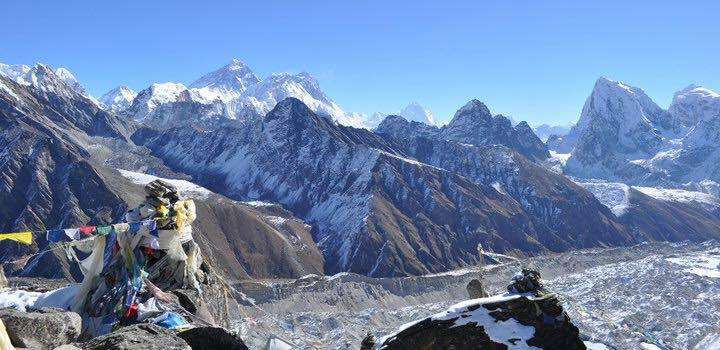
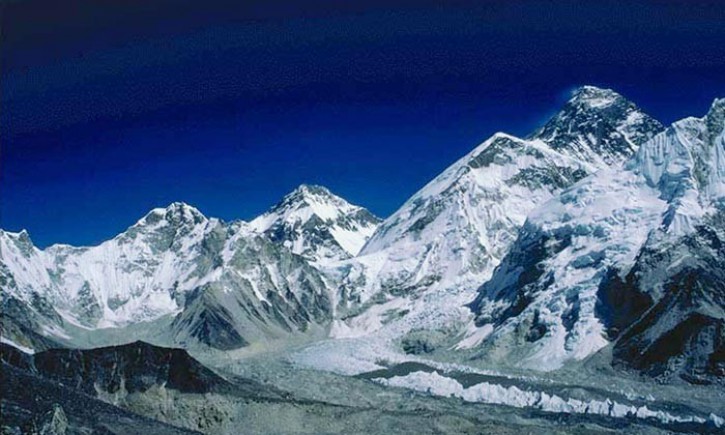
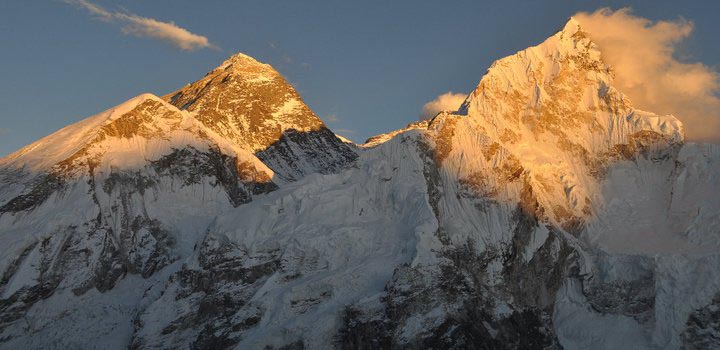
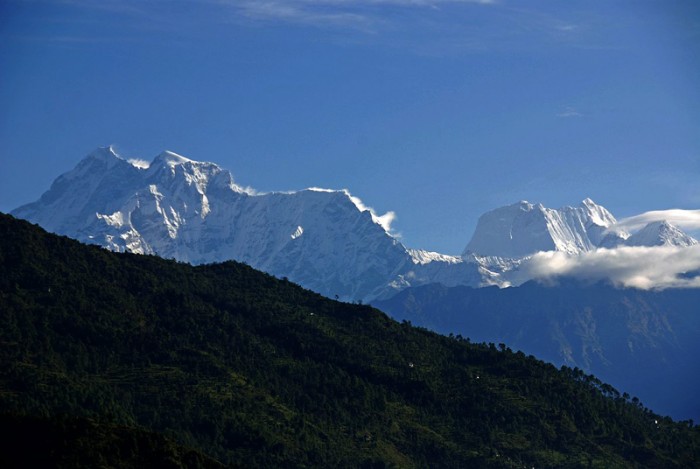
Stunning Views of the Himalayas: The trek offers breathtaking views of some of the highest peaks in the world, including Mount Everest, Lhotse, Nuptse, and Makalu. The mountain vistas along the way are truly awe-inspiring.
Namche Bazaar: This vibrant Sherpa town is one of the main stops on the trek. It’s a bustling hub with markets, restaurants, and stunning views of Everest and surrounding peaks. It’s also a great place for acclimatization.
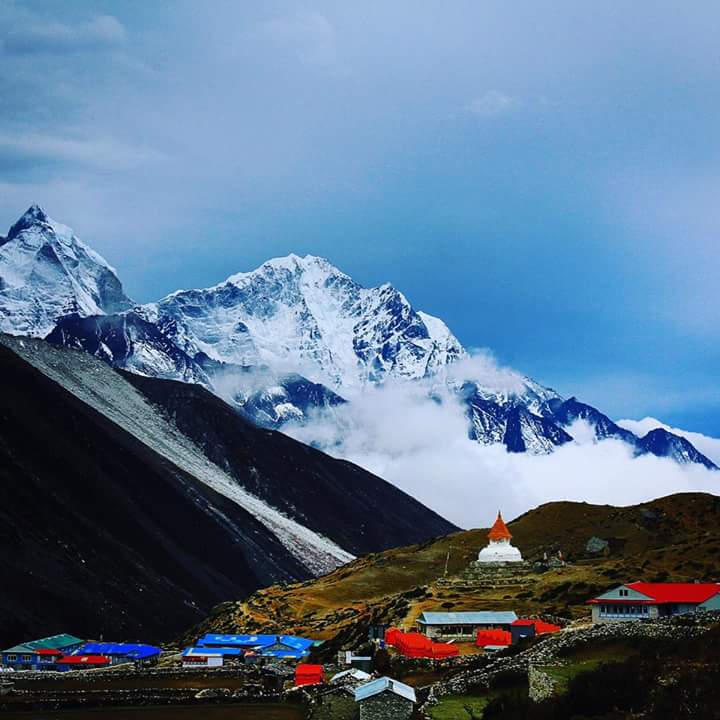
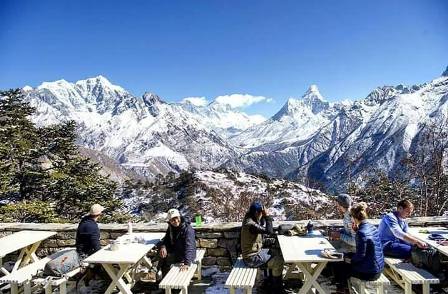
Tengboche Monastery: Located at an altitude of 3,867 meters (12,687 feet), this ancient Buddhist monastery is surrounded by lush forests and offers views of Everest, Lhotse, and Ama Dablam. It’s a peaceful place for reflection.
Khumbu Icefall and Glacier: Once you reach Everest Base Camp, you’ll see the Khumbu Icefall, a massive glacier that’s both stunning and treacherous. The sheer scale of the glacier is overwhelming.
Everest Base Camp: Reaching Base Camp itself is a monumental achievement. The sense of standing at the foot of the world’s tallest mountain is unforgettable. You’ll see climbers preparing for their ascent and the iconic tents that are set up during expedition season.
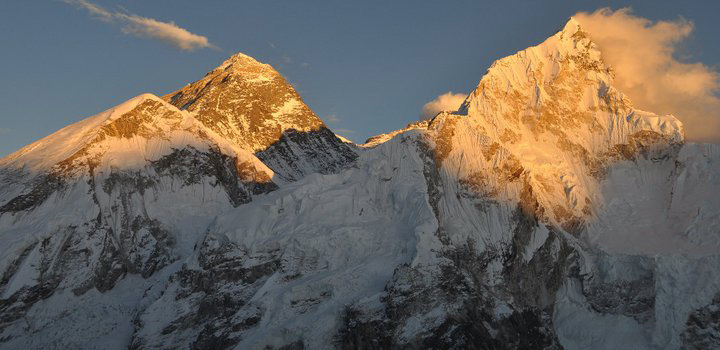
Kala Patthar: For the best panoramic views of Mount Everest, a short hike up Kala Patthar is a must. From this vantage point, you can get stunning close-up views of Everest, as well as neighboring peaks like Pumori and Nuptse.
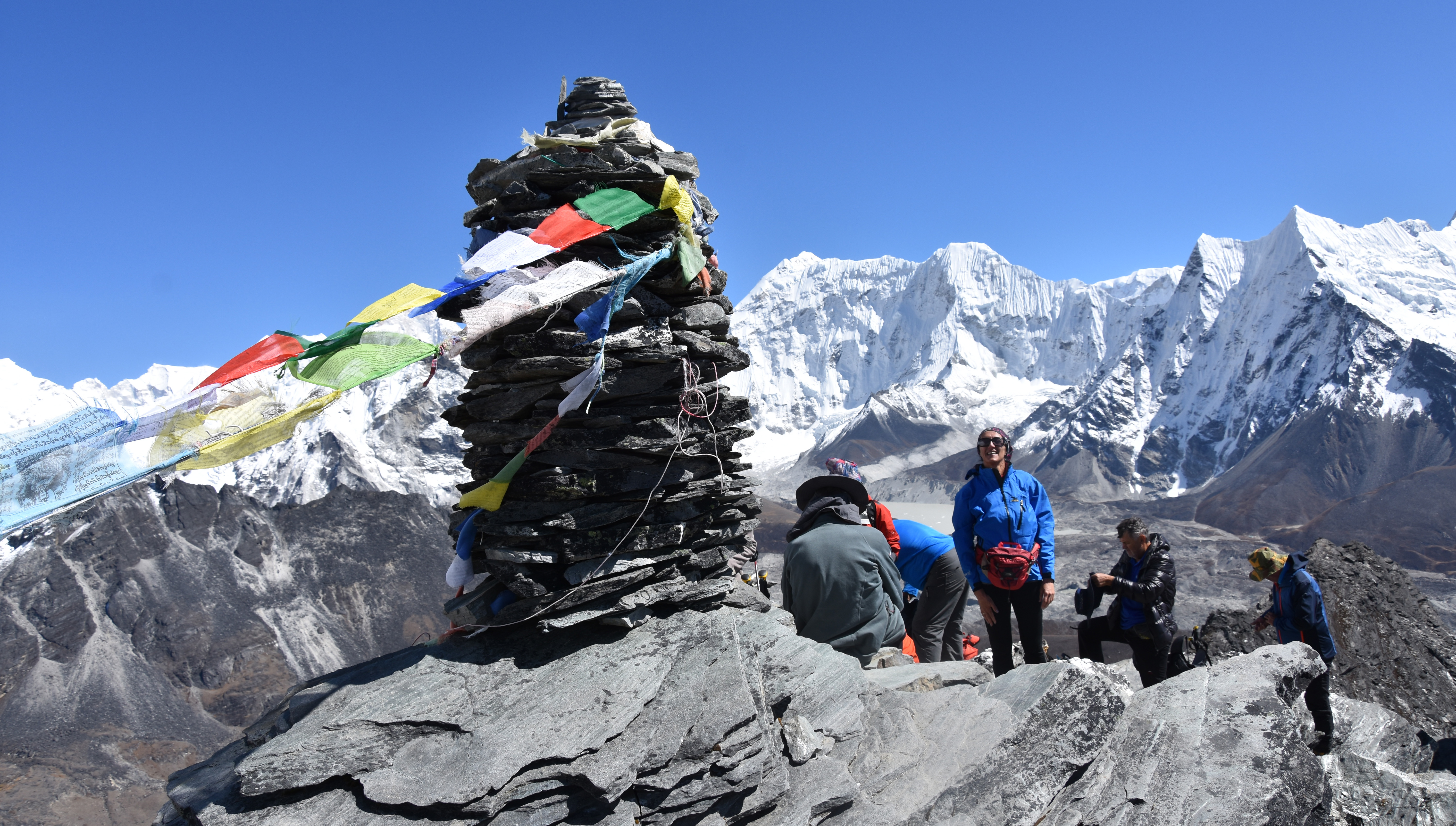
Sherpa Culture: Throughout the trek, you’ll encounter the rich culture of the Sherpa people, who are known for their resilience and hospitality. The prayer flags, chortens (Buddhist shrines), and gompas (monasteries) provide insight into the spiritual life of the region.
Everest Base Camp Trek is the most popular trekking destination. The base camp trek is a dream for many travelers around the world.
A lifetime memorable experience for travelers to witness the breathtaking views of the world’s highest mountain sceneries. The journey to the base camp trek is full of an impressive landscape, beautiful peaks and glaciers, ancient monasteries, and snow-capped mountains.
EBC Trek begins with an adventurous flight to Lukla. The colorful Namche Bazaar, the lovely Sherpa people and their culture, the side trip to Kalapatthar, and the stunning views of Everest, Nuptse, Lhotse, Ama Dablam, and the huge Khumbu Glacier make this trek experience unforgettable. Trekking to the base camp of Mt. Everest is an amazing experience that provides amazing views of the surrounding area, hills, and mountains. On this once-in-a-lifetime journey, you will feel the coolness of crisp mountain air descending from the highest peak in the world. If you’re short on time.
Everest Base Camp Trek is an amazing experience that will push hikers to the limit and reward them with the breathtaking scenery of Nepal’s Himalayan area and its distinct cultures. In 1953 AD, New Zealand mountaineer Edmund Hillary and Nepalese mountaineer Tenzing Norgay made the first ascent of Everest, marking the beginning of the trek to the base camp. Many mountaineers and trekkers traveled to Nepal to catch a sight of this tallest peak, but it was only the beginning.
The Everest Base Camp Trek is undoubtedly on the bucket list of nearly every adventurer and outdoor enthusiast. Every step you take will get you closer to the summit of Mount Everest as you become fully immersed in the local way of life. After walking through dense forests and beautiful scenery for more than a week, you will reach Everest Base Camp, which is located at 5364 meters above sea level.
Let’s say you are short on days or don’t want to subject your body to prolonged periods of strenuous hiking. After reaching the summit of the base camp, you can take a helicopter back to Kathmandu. Gorakshep (5164 meters) has a helipad nearby from which you may take a direct flight to the Kathmandu airport.
Day 01: Arrive in Kathmandu (1,400 m).
Day 02: Kathmandu Vally Sightseeing( 4 – 6hr)
Day 03: Fly to Lukla (2,804 m) and Trek to Phakding (2,610 m) 3– 4 hours.
Day 04: Trek to Namche Bazaar (3,440 m) 4 – 5 hours.
Day 05: Namche Bazaar Acclimatization Day.
Day 06: Trek to Tengboche (3,860 m)4 – 6 hours.
Day 07: Trek to Dingboche (4,350 m) for 4 – 6 hours.
Day 08: Acclimatization
Day 09: Trek to Lobuche (4,910 m) 4 – 5 hours.
Day 10: Trek to Everest Base Camp (5,364 m)walk to Gorak Shep (5,180 m) 6 for – 7 hours.
Day 11: Morning Hike to Kala Patthar (5,550 m) to Pheriche (4,200 m) 5 – 6 Hours
Day 12: Trek to Namche Bazaar (3,440 m) 5– 7 hours.
Day 13: Trek to Lukla (2,804 m) 5 – 6 hours.
Day 14: Flight from Lukla to Kathmandu.
Day 15: Departure.
Day 01: Kathmandu Arrival (1,350m/4,428ft)
One of the Representative from Himalayan Sanctuary Adventure will be waiting for you outside the airport terminal holding your name to escort you to your specified Hotel. Upon your arrival you will be warmly welcomed and transfer to your hotel in Kathmandu. After Check in you will be briefed to carry out the final preparation required for the trek. So that you can relax and prepare for the adventure ahead.
Day 02: Kathmandu Valley Sightseeing (4 – 6 hrs)
After breakfast, you proceed to the Kathmandu Valley sightseeing places in which you will visit the major world heritage sites and beautiful attractions around the valley throughout today. Some of these might be:-
Durbar Squares Three durbar squares in the valley representing the major cities of Kathmandu, Bhaktapur, and Lalitpur (Patan) here resemble the rich history, art, and culture of the Kathmandu Valley. Among them, you will visit Patan Durbar Square.
- Patan Durbar Square:
Patan Durbar Square is a fascinating combination of palace buildings, artistic courtyards, and graceful pagoda temples. The Krishna Mandir (Temple) from the 17th century is a major attraction. The patanPatan museum contains bronze statues and other religious objects which has great significance. Durbar Square has both religious and cultural importance and the surroundings are artistically beautiful.
- Pashupatinath Temple:
The Pashupatinath Temple is one of the most significant Hindu temples in Asia with over 500 small and big shrines, Lingams, and temples in the temple complex.
- Boudhanath Stupa:
The largest stupa and center of Tibetan Buddhism that is in the Kathmandu valley. One of the best places to relax and take a hint of Buddhist culture is in Kathmandu. After the Sightseeing, we will drive you back to the hotel.
- Swayambhunath Temple:
Also known as the ‘Monkey Temple’, this is one of the oldest heritage sites in Nepal. From the top viewpoint, you will have an amazing view of the capital city “Kathmandu”.
Overnight in Kathmandu.
Included Meal: Breakfast
Day 03: Kathmandu – Lukla – Phakding (2,651m/8,700ft): 30-minute flight, 3 – 4 hours trek
In the morning, take a scenic flight to Lukla from Kathmandu. After that, a trek to Phakding commences via Cheplung village. Get a glimpse of Mt, Khumbila on the way. Overnight at Phakding.
Trek Distance – 6.2km / 3.8miles
Included Meals: Breakfast, Lunch, and Dinner
Day 04: Phakding – Namche (3,440m/11,284 ft): 4 – 5 hours
A trek to the Sherpa capital Namche begins. Walking through the Benkar valley and we traverse the Dudh Koshi River. Proceed further and walk through Chumoa and Monjo villages and enter the Sagarmatha National Park. From there, cross a suspension bridge to reach Jorsale village. Ascend uphill and arrive at Namche. Overnight in Namche.
Trek Distance – 11 km
Included Meals: Breakfast, Lunch, and Dinner
Day 05: Acclimatization Day – Namche Bazaar: (3,440m/11,284ft)
An acclimatization rest at Namche Bazaar to adjust easily to the altitude. We explore Namche today by exploring the surrounding places. Visit the Sagarmatha National Park and witness some diverse flora. If lucky get some glimpse of wild animals too. Admire the stunning views of Mt. Lhotse, Nuptse, Ama Dablam, and other snowy mountains. After that, we can also visit Khumjung village or rest at a hotel. Overnight in Namche Bazaar.
Included Meals: Breakfast, Lunch, and Dinner
Day 06: Namche Bazaar to Tengboche (3,870m/12,694ft): 4 – 6 hours
A pleasurable walk to Phunki. From Phunki, ascend towards Tengboche and visit the largest Tengboche Monastery in the Everest region. Observe some great views from the monastery including Mt. Lhotse, Nuptse, and Thamserku. Rest at a guesthouse. Stay Overnight.
Trek Distance – 9.2km / 5.7miles
Included Meals: Breakfast, Lunch, and Dinner
Day 07: Tengboche to Dingboche (4,358m/14,295 ft) 4 – 6 hours
A descend walk to Debuche and traverse the Imja River. Proceed further and reach the village of Pangboche. Explore the oldest Pangboche monastery. Reach our destination Dingboche via Imja Valley. Stay Overnight.
Trek Distance – 9 km
Included Meals: Breakfast, Lunch, and Dinner
Day 08: Acclimatization (hike to Nangkartsang peak)
Dingboche is one of the famous place to acclimatize while trekking to Eveerest base Camp to adjust your body and prevent from being altitude sickness before continuing to base camp.
sherpa village along with stunning mountain views makes it great place to rest, relaxation and recharge. you can find well- facilitated coffee shops, local teahouse and few shops with limited item of trekking equipment. Dingboche with breathtaking views surrounded of it’s reward.
Today you will embark on an acclimatization hike to nangkartsang peak at an elevation 5083m(16677ft which offer spectacular views of himalayas is another popular spot along the EBC.
360 degree views of stunning mountain along the way including Mount Amadablam, Mount Everest, Mount Lhotse, Mount makalu, Mount Choyo, mount Nuptse, Nuptse Sar, Baruntse, Cholatse, Taboche, island Peak(Imja Tse) and many More
Trek Distance – 4.2km / 2.61 miles
Included Meals: Breakfast, Lunch, and Dinner
Day 09: Dingboche – Lobuche (4,928m/16164 ft.) 4 – 5 hr
A long trail continues admiring the scenic views. Pass through lovely settlements and traverse Dughla Pass and reach Lobuche. Stay Overnight.
Trek Distance – 8.5km / 5.2 miles
Included Meals: Breakfast, Lunch, and Dinner
Day 10: Lobuche – Gorak Shep (5,160m/16,929ft) – Everest Base Camp (5,364m/17,598ft)
A prime point of our trek comes as a trek to the Everest Base Camp commences. A long-hour trek yet a fruitful experience. Reach Gorakshep and have lunch. From there, trek to the Everest Base Camp onwards. Upon reaching the base camp, relish the spectacular views of Mt. Pumori, Khumbu, and Nuptse. Return to Gorakshep and stay overnight.
Trek Distance – 15km / 9.32miles
Included Meals: Breakfast, Lunch, and Dinner
Day 11: Gorakshep – Kalapatthar (5,550m/18,204ft) – Pheriche (4200 m)
A thrilling trek to the highest point Kalapatthar for a stunning close-up view of the world’s highest Everest and surrounding snowy mountains. Snap some photos and enjoy some time in the vicinity. Return to Gorakshep and have lunch. Trek down to Pheriche and spend a night at a guesthouse.
Trek Distance – 9.6km / 6miles
Included Meals: Breakfast, Lunch, and Dinner
Day 12: Trek to Namche Bazaar (3,440m/11,284ft) 5– 7 hours
An enjoyable walk to Namche Bazaar. A slow descent walks adoring the sceneries through Pangboche and Tengboche. Arrive at Namche and rest for a while at the hotel. Explore the Bazaar, eat some bakery items, or buy some souvenirs in the evening. Overnight at a guesthouse.
Trek Distance – 9.2km / 5.7miles
Included Meal: Breakfast, Lunch, and Dinner
Day 13: Trek to Lukla (2,804 m) – 6 hours
Our last day of trekking in this Everest region. We trek to Lukla and reminisce about the wonderful adventurous journey towards the Everest Base Camp. Enjoy the last day in the lap of mountains, relax, take a hot shower, and have some celebrations upon accomplishing the trek. Overnight at a guesthouse.
Trek Distance – 13km / 7 miles
Included Meal: Breakfast, Lunch, and Dinner
Day 14: Lukla – Kathmandu (1400 m)
An early morning flight from Lukla to Kathmandu. Bid adieu to this wonderful mountainous place and enjoy the last scenic flight from Lukla. Upon reaching Kathmandu, rest and relax at the hotel. In the evening, join us for a cultural dinner and share some of the experiences. Overnight in Kathmandu.
Flight Time 40 – 45 min
Included Meals: Breakfast
Day 15: Departure Day
Our representative will bid you farewell at Tribhuvan International Airport as you depart for your onward destination. Wishing you a safe and pleasant journey !
Distance: 25 – 30min
Included meals: Breakfast
Note: To minimize the risk of missing your international flight, we recommend having an extra 2 to 3 days at the end of your trip. This is particularly important because flights between Kathmandu and Lukla are often delayed or canceled due to unpredictable weather conditions. If your flight to Lukla is canceled for more than 3 days, we will make every effort to adjust your itinerary, offering you a suitable alternative trek of equal appeal and adventure. During the peak tourist seasons (March, April, September, October, and November), flights to Lukla will depart from Ramechhap, which is approximately a 5 to 6-hour drive from Kathmandu. This change is due to the high air traffic at Tribhuvan International Airport (TIA) in Kathmandu during these busy months.
Cost Included
- Airport Pickups and Drops
- Transfers to and from the airport (Kathmandu) are included, with transportation arranged for your arrival and departure.
- Teahouse/Lodge Accommodation During the Trek
- Accommodation during the trek is provided in teahouses or lodges on a full-board basis (Breakfast, Lunch, and Dinner).
- 3 Star Category Hotel Accomodation in Kathmandu including Breakfast
- Domestic Flights (Kathmandu-Lukla-Kathmandu)
- Round-trip domestic flights between Kathmandu and Lukla are included, which are essential for the trek.
- Trekking Guide
- An experienced, English-speaking, and government-licensed trekking guide will accompany you throughout the trek, ensuring safety and providing insight into the culture and environment.
- Porter Service
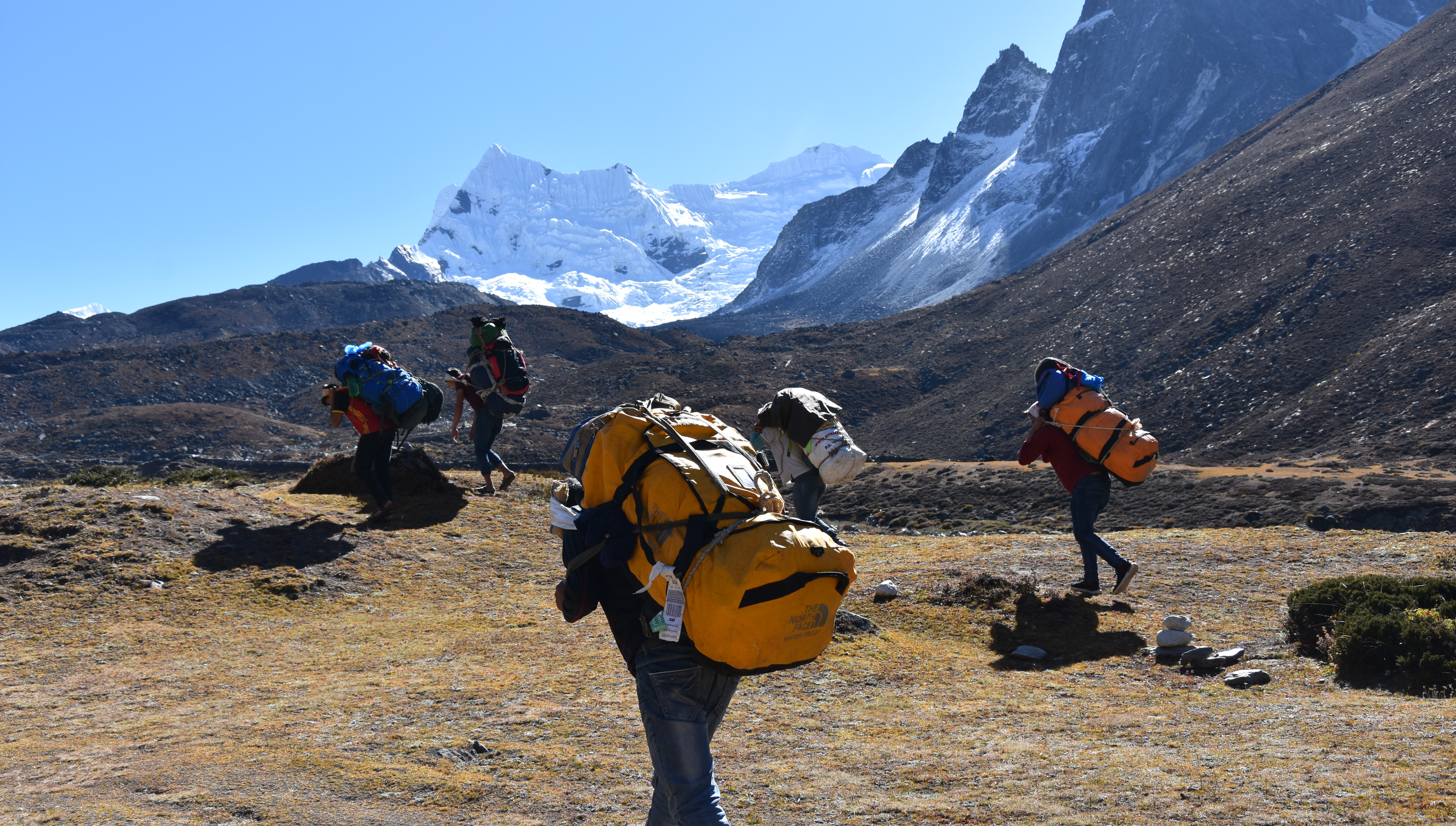
- One porter will be provided for every two trekkers to carry your trekking gear, ensuring a more comfortable trek.
- Staff Costs
- All costs for your trekking guide and porter, including their salary, insurance, food, accommodation, equipment, and domestic airfare (for flights to and from Lukla), are covered.
- Himalayan Sanctuary Adventure Duffel Bag
- A duffel bag will be provided for carrying your personal belongings on the trek.
- Trekking Permits and Paperwork
- All the necessary permits for the trek are arranged, including:
- National Park Permit
- TIMS (Trekkers’ Information Management System) Card
- All the necessary permits for the trek are arranged, including:
- Farewell Dinner
- A farewell dinner will be provided at the end of your trip to celebrate the completion of the trek.
- Medical Kit
- A medical kit will be carried by your trekking guide for any emergencies or minor health issues during the trek.
- Government and Local Taxes
- All applicable government and local taxes are included in the package price.
Cost Excluded
- Nepalese Visa Fee
- The cost for obtaining a Nepalese tourist visa is not included in the package. You will need to arrange this separately upon arrival or in advance, depending on your nationality.
- Excess Baggage Charges
- Any charges for excess baggage during flights or transport (e.g., for your domestic flights to Lukla) are not covered.
- Entrance Fees for Sightseeing
- Entrance fees for any sightseeing or monuments visited during your time in Kathmandu or Pokhara are not included in the package and must be paid separately.
- Extra Night Accommodation in Kathmandu
- Any additional nights required in Kathmandu due to early arrival, late departure, or if you return early from the mountain (due to any unforeseen circumstances) are not covered.
- Lunch and Evening Meals in Kathmandu
- Lunch and dinner in Kathmandu are not included in the package, as meals are generally arranged only for breakfast at your hotel.
- International Flights
- International flight tickets to and from Nepal are not included in the package.
- Travel and Rescue Insurance
- Travel insurance (including medical, emergency evacuation, and rescue coverage) is not included and should be purchased separately.
- Personal Expenses
- Any personal costs, such as:
- Phone calls
- Laundry services
- Bar bills
- Hot and cold drinks (not included in your trekking meals)
- Battery charging
- Extra porters
- Bottled or boiled water
- Tea, coffee, hot showers (may have an additional cost in trekking lodges)
- Other miscellaneous items
- Any personal costs, such as:
- Tips for Guides, Porters, and Drivers
- Tipping for the guide, porter, and driver is not included in the package. Tipping is customary and expected for good service.
Accommodation during the Everest Base Camp Trek
Lodges or teahouses with basic facilities such as beds, blankets, and pillows are accommodation types during the Everest Base Camp Trek. The availability of attached bathrooms is there in the lower regions only. As you go higher, the bathrooms are outside the teahouses. The additional facilities like using Wi-Fi, charging electronic devices, laundry, hot shower, etc. Need to pay an extra.
Meals during the Everest Base Camp Trek
The 3-course full-board meals are provided during the Everest Base Camp Trek. Meals options are limited but Dal-Bhat is the primary option.
Drinking Water during the Everest Base Camp Trek
In Lower Places here will be Bottled water, and if you go higher there will be option either Tap water, and boiled water for drinking water during the Everest Base Camp Trek. Pay an extra cost for drinking or boiled water at teahouses or lodges or buy bottled water as a preference. For safe drinking water, carry water purification kits and a water bottle for ease.
Internet and Phone Networks during the Everest Base Camp Trek
Internet and Phone networks during the Everest Base Camp Treks are stable mostly in the lower regions. In the higher regions, networks are unstable. For the use of Wi-Fi, pay an additional cost at teahouses.
Best Season for the Everest Base Camp Trek
Spring (Mar – May) and Autumn (Sep-Nov) are the best seasons for the Everest Base Camp Trek. The clear weather, stable temperatures, awesome panoramic vistas, and comfortable trekking trails make these seasons ideal for this trek.
Everest Base Camp Trek Difficulty
The highest elevation during Everest Base Camp Trek which lies at (5,555 m). Everest Base Camp Trek is difficult considering its ascends and descends, high elevations, daily long hours of walking, rough trails, and limited availability of teahouses or lodges. Also, the chances of getting altitude sickness are common. Thus, acclimatization rest is essential. With proper preparation, this trek is possible.
Altitude Sickness and Preventions during the Everest Base Camp Trek Difficulty
Altitude Sickness is common in the Everest Base Camp Trek. To prevent it, acclimatization rest is essential. Thus, utilize rest days properly to adapt to the surroundings.
- Headache
- Lethargy
- A drop in performance
- Loose of motion
- Insomnia
- Appetite loss
- Dizziness
- Nausea
- Vomiting.
Inform your guides if you experience any symptoms during the trek. Preventive measures for Altitude Sickness are:
- Stretch and warm up before trekking.
- Stay hydrated with regular water intake.
- Ascend gradually and rest well.
- Avoid salt, alcohol, and smoking.
- Urinate frequently.
- Descend if feeling unwell.
- Consult guides for medicine
Fitness Level during the Everest Base Camp Trek
Everest Base Camp Trek is demanding due to its challenging terrain, daily long hours of walking, high elevations, several ups and downs, and rugged trails. Thus, a strong fitness level is a key factor for this trek. Therefore, we recommend trekkers participate in physical exercises and short hikes for a few months, and necessary physical check-ups before commencing this trek.
Travel Insurance during the Everest Base Camp Trek
Travel Insurance is a safety tool for trekking in the mountains. It should cover all emergencies including medical costs, loss of goods, flight delays, evacuation, and high elevations above 5000 m. getting travel insurance is beneficial. Please Check out FAQ for more information.
Guides and Porters during the Everest Base Camp Trek
Guide and Porters are optional but for a comfortable trekking experience hiring a Guide and porter is the ideal decision. Our guides and porters are professional and have lots of experience in the mountains. Our team ensures trekkers’ safety as it is the top priority.
Everest Base Camp Trek Permits
The required permits for Everest Base Camp Trek are as follows:
- National Park Permit
- Trekking Permit
Below equipment list is only a guideline. you can choose from your preferred brands using your expertise. You can also shop the below equipment and clothing at a reasonable price at stores in Thamel, Kathmandu. The personal items are of individual interest and choice. The most important fact that one should keep in mind is that one should have enough clothes to tackle the cold weather in the Himalayas.
- Sun hat
- Wool or synthetic hat that covers the ears
- Sunglasses with UV protection
- Headlamp
- Neck warmer
Hand
- Liner gloves
- Heavier shell gloves
Core Body
- T-shirts (2)
- Lightweight expedition thermal tops
- Fleece jacket or pullover
- Water/windproof shell jacket (Preferably breathable fabric)
- Synthetic sports bras (for women)
Lower Body – Legs
- Lightweight expedition thermal bottoms
- Nylon hiking shorts
- Soft shell and hard shell trekking pants
- Water/windproof trousers
- Casual pants
Feet
- Liner socks
- Heavyweight socks
- Waterproof hiking/trekking boots
- Light shoes/sneakers
- Gaiters (For monsoon and winter)
Other Essential
- Passport and extra passport photos (2 copies)
- Airline tickets (Please make a copy and leave one at our office in KTM just in case you need to change the date of yours)
- Durable wallet/pouch for travel documents, money & passport
- Water bottle/bladder
- Water purification Iodine tablets
- Toiletries (Include toilet paper, wet wipes, and liquid hand sanitizer, towel, soap)
Medicines and First Aid Kit
- Extra Strength Excedrin for altitude-related headaches
- Ibuprofen for general aches and pains
- Immodium or Pepto bismol capsules for upset stomach or diarrhea
- Diamox (commonly prescribed as Acetazolamide) 125 or 250mg tablets for altitude sickness
- Anti-infection ointments
- Band-aids
- Lip balm (At least SPF 20)
- Sunscreen (SPF 40)
Optional
- Adjustable trekking poles
- Favorite snacks
- Cameras (Memory cards, chargers and, batteries)
Fitness Level: This Trip Requires you to be in Good Health with Physically Fitness.
1. Will somebody come to pick me up at the airport upon my arrival ?
One of the representatives from Himalayan Sanctuary Adventure will be waiting outside the airport terminal displaying your name.
2. What sort of accommodation can I expect in Kathmandu and trekking ?
We use standard rooms at 3* category hotels in Kathmandu and you will be accommodated at the best Normal teahouses/lodges along the trekking routes which provide the finest facilities in the mountains. The lodges in trekking routes usually provide single and double rooms. At times when possible, dining will be around a bonfire. In tea houses, food will be prepared in the kitchen which you should not enter without permission. Non of the Lodge have attached bathroom in two locations Lobuche and Gorakshep
3. Is it possible to swap my accommodation from a mountain guesthouse to a hotel in Kathmandu ?
Substituting the accommodation or swapping from the mountain guest house to Kathmandu is not possible. We only provide two nights’ accommodation in Kathmandu included in the package. In case of flight cancellation or early arrival to Kathmandu due to any sickness in the mountain or any of your reason or due to bad weather and you are unable to continue the trek, you will need an extra night accommodation in Kathmandu. We can make these arrangements for a supplemental charge.
4. why do i need Acclimatization ?
Hiking to Everest View Hotel at an elevation of 3880m help your body to adjust. Total altitude gain after first acclimatization about 1000m from sea level prepare you well for a safe trekking trip.
5. Is it possible to reserve a trip now and pay a deposit later or do I have to pay a deposit at booking/reservation ?
Yes! The trip will be confirmed only when we receive the completed final booking form and a 30% deposit payment. You can pay the balance of the money when you arrive in Kathmandu.
6. Is there a possibility of getting separate rooms for the Kathmandu portion of the trip ? If so how much extra will this cost ?
Yes! We can surely book separate rooms in Kathmandu for your portion of the trip. During the trek, we will try our best but normally the lodges have twin-sharing and dormitory-styled rooms instead of a single room.
7. Is this a guaranteed departure even if I am alone starting on the requested trip ?
YES, all our trips are guaranteed to run. We never cancel the trip due to not having enough participants, we can arrange the trip for one person as well.
8. When I pay the remainder of the money on arrival in Kathmandu, how do you take that money ? US cash or credit card ?
You can clear the remainder of the money upon your arrival in Kathmandu or even before you arrive in Kathmandu. You can use USD, Euro, Pound, Canadian Dollar, Swiss franc in cash, Master, or Visa cards for the payment options. There will be a 4% bank levy when paying by credit card.
9. What sort of food can I expect in trekking ?
Most teahouses (lodges) in Everest Base Camp trails cook a delicious range of mostly vegetarian fare. Pasta, tuna bakes, noodles, potatoes, eggs, daal Bhat (rice and lentils), bread, soup, fresh vegetables (variety depends on the season), and even some desserts like apple pies, pancakes, and some interesting attempts at custard. You will find a lot of garlic on the menu because it assists with acclimatization – eat some every day. In many larger villages, you may find some meat items on the menu. You can always get hot chocolate, tea, and hot lemon drinks, as well as soft drinks, and treats like chocolate and crisps. Each day dinner and breakfast will be at a lodge you’ll stay at while lunch will be taken on the way to the destination
10. Is the food in the mountain prepared to international standards in terms of safety ?
YES, the food is very safe during the trekking but we recommend you to eat vegetarian and local food. Please follow the suggestion of our guide on the trek.
- Spring – March / April / May / June
Spring happens to be one of the best times of the year to visit the Everest region, although because of this, it can become somewhat crowded. One can meet many other Everest climbers during this season and base camp is full of tents. The beautiful clear blue sky can be seen and the many different species of flowers are visible in the lower altitude. During springtime, the average temperature is 17 degrees C with a maximum of 25 degrees C during sunny days and a minimum of -15 degrees C in the morning and at night for areas above 4000 meters.
- July / August through Mid-September is Monsoon Season
This season is not recommended to travel as it rains in the lower altitudes, below 3500 meters. In areas above 4000 meters, it rains sometimes and although it is also sometimes dry, very few people travel during this season. There are positives to trekking during the monsoon months, however. The excess rainfall can provide ample chance to see spectacular views of the waterfall and it’s also the best season to avoid the crowds. The maximum temperature during the monsoon season averages 25 degrees C during sunny days with a minimum of -15 degrees C in the morning and night at areas above 4000 meters. The average temperature tends to hover around a comfortable 18 degrees C.
- Autumn – End of September / October / November
Similar to springtime, autumn in the Everest region is also a crowded season, but it’s one of the best times to trek. While it lacks the beauty of flowers, the clear blue sky can be seen, affording incredible views from just about every angle. The average temperature during the fall is 15 degrees C with a maximum temp of 20 degrees C during sunny days and a minimum of -10 degrees C in the morning and at night, for areas above 4000 meters altitude. Regardless of the time of year, trekkers should always plan accordingly and bring clothing for both cooler and warmer temps. Layering is always recommended, as are pants that can double as shorts.
| Start Date | End Date | Price in USD | Availability | Booking | Note |
|---|
Avabillity Options
OPEN: This date is available and open for bookings. Go for it!
GUARANTEED: Guaranteed departure. Seat Available.
LIMITED: Guaranteed departure, Limited seat. You can send booking request for availability.
FULL:This date is currently unavailable. Please contact us if you are interested in traveling on this date.